
Kanto is the region that surrounds Tokyo without being confused with it: six prefectures (Kanagawa, Chiba, Saitama, Gunma, Tochigi, Ibaraki) with varied landscapes, between historical cities (Kamakura, Kawagoe, Nikko), spas (Kusatsu, Kinugawa), natural sites (Chichibu, Nokogiri, Ogasawara) and industrial heritage (Tomioka). This guide centralizes our articles dedicated to this region, to build a coherent itinerary between Tokyo and its escapades.
How to use this guide:start with the map below to lay the basis for your stay in Tokyo, then explore the Kanto by prefecture according to your desires and rhythm. The “Nature”, “Practical” and “FAQ” sections help you finalize the logistical details.
Laying the Bases: Travel to Tokyo
The Kanto is discovered from Tokyo, which serves as a natural anchor for radiating throughout the region. If you are planning your first stay, start with our complete guide to the capital: neighborhoods, transport, accommodation, pop culture.
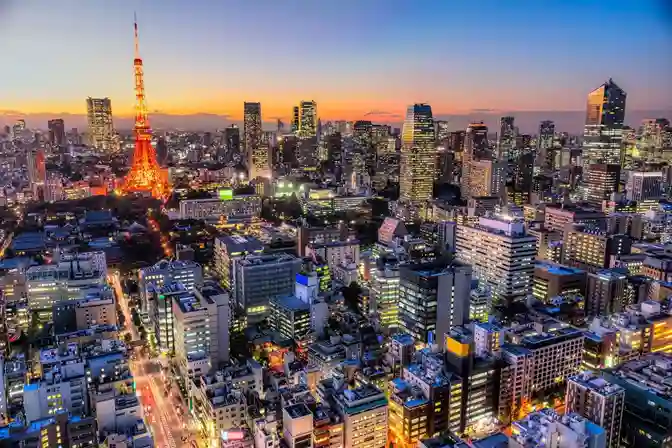
Kanagawa and Yokohama: between heritage and harbour modernity
Kanagawa Prefecture alone concentrates most of the popular getaways from Tokyo: Kamakura and its millennial temples, Enoshima and its sacred island, Yokohama and its cosmopolitan port, Kawasaki and its industrial history. This section is for all travellers who want to combine heritage, sea and modernity in one or two days.
Kamakura and Enoshima: the ancient capital of the samurai
Kamakura was the capital of Japan in the 13th century and retains an exceptional heritage: large Zen temples, Shinto shrines, beaches and wooded hills. One hour from Tokyo, it is the ideal getaway for a day or a weekend.

Kamakura : complete guide to discover this historic city

Hasedera Temple in Kamakura: history, visit and advice

Hokoku-ji, Kamakura Bamboo Temple

Komachi-dori in Kamakura: art of living and gourmets

Yuigahama: Discover Kamakura’s iconic beach

Reitaisai Matsuri in Kamakura: Archery Festival

Enoshima, island getaway at the gates of Kamakura

Enoshima: the beach at the gates of Tokyo

Enno-ji Temple in Kamakura: Buddhist Hells
Yokohama: Japan’s cosmopolitan port
Japan’s second largest city, Yokohama was born from the country’s opening to the world in the 19th century. Its port, foreign quarters, Chinatown and modern seafront make it a full destination, 30 minutes from Tokyo.

Visit Yokohama: neighborhoods, flavours and maritime horizons

Minato Mirai in Yokohama: the modern heart

Yokohama: Chinatown, Kannai and Yamashita

Yokohama: Honmoku, Motomachi and Yamate

Yokohama – Yokohama Station

Yokohama: Shin-Yokohama district

Yokohama – North Quarter

Yokohama: South Quarter
Kawasaki: between history and innovation
Halfway between Tokyo and Yokohama, Kawasaki is often crossed without being visited. It deserves a day, however, between its Shinto temple in Kawasaki Daishi and its unusual museums.


Other Kanagawa nuggets
Beyond Kamakura and Yokohama, Kanagawa reserves some confidential places: Yugyō-ji temple in Fujisawa, the old Tōkaidō road and the hinterland hills.


Saitama, Tochigi and Gunma: mountains, temples and hot springs
These three prefectures in northern Kanto offer a striking contrast with Tokyo: sacred mountains, historic villages, spas and industrial heritage. They are intended for travellers who want to get off the beaten track and discover a more rural Japan.
Saitama and Chichibu: Nature and Spirituality
To the west of Tokyo, Saitama is home to the Chichibu Mountains, a high place of pilgrimage and hiking. The region is seduced by its temples, festivals and preserved landscapes.

Chichibu: temples, festivals and nature hikes

Pilgrimage of the 34 Kannons of Chichibu

Chichibu, Nature within reach of Tokyo

Kawagoe – historic city and traditional houses

Hanno: nature, hiking and green getaways

Hyper Museum Hanno: contemporary art in Saitama

Nagatoro: river, nature and hiking

Tokorozawa: nature, parks and attractions

Saitama – tours, parks and excursions around Tokyo
Tochigi and Nikko: UNESCO shrines and sacred mountains
Nikko is one of the most spectacular sites in Japan, ranked at UNESCO for its lavish shrines. Around, Tochigi Prefecture offers spas, lakes and mountainous landscapes.

Toshogu shrine in Nikko: guided tour

Day Trip in Nikko from Tokyo: complete guide

Edo Wonderland in Nikko: immersion in the Edo era

Discover Kinugawa Onsen: relaxing getaway near Nikko

A day in Ashikaga: floral and cultural discovery

Nasushiobara: hot springs, nature and gastronomy
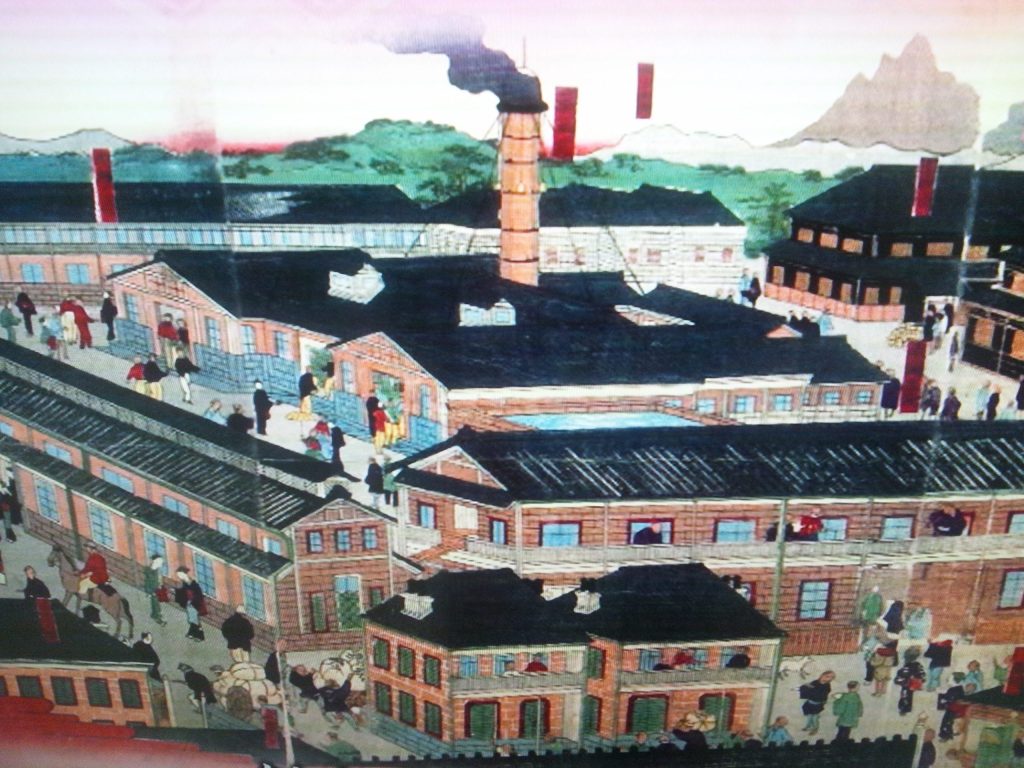
Tomioka – UNESCO spinning and industrial history

Utsunomiya – gyoza, temples and visits

Ashikaga Scramble City Studio : cinema décor
Gunma and Kusatsu: hot springs and mountains
Gunma is the prefecture of onsen and mountains. Kusatsu, one of Japan’s most famous spas, is the jewel. The region also boasts steam trains and volcanic landscapes.

Kusatsu Onsen: immersion in a spa

SL Gunma: Travel on a historic steam train

Takasaki – Daruma, temples and traditions

Maebashi – nature, mountains and cultural discoveries

Mount Takao: exploring nature at the gates of Tokyo

Hiking at Mount Mitake: a natural getaway
Ibaraki, Chiba and the Pacific Coast
To the east and south-east of Tokyo, Ibaraki and Chiba offer a preserved coastline, ancient shrines and historic cities. Less frequented than Kanagawa or Tochigi, these prefectures seduce by their authenticity and wide spaces.
Ibaraki: Shrines and Pacific Coast
Ibaraki is home to some of Japan’s oldest shrines and a wild coast with little tourism. An ideal destination for those who want to get off the beaten track.

Mito: the cultural capital of Ibaraki

Kashima Jingū: Ibaraki Major Sanctuary

Oarai – beach, sanctuary and Japanese coast
Chiba: Pacific coast, villages and airport
Chiba is often reduced to its international airport, but the prefecture hides treasures: the historic village of Sawara, the sanctuary of Narita and preserved beaches on the Pacific coast.

Narita – temple, culture and visits

Sawara – canals, festivals and historical heritage

Choshi – ocean, lighthouse and maritime specialities

Hatsushima – island, sea and water activities

The tropical archipelago of Ogasawara
Nature and hiking in Kanto
Kanto offers a wide variety of natural landscapes: mountains, rivers, coasts and islands. These articles are intended for travellers who want to combine cultural and outdoor discovery.

Mount Nokogiri: Hiking and Giant Buddha

Hinohara, a haven of nature near Tokyo

SL Paleo Express: steam locomotive from Tokyo

Setsubun Mammaki Train in Chichibu

Japan’s most unique train stations

Stations with unusual shapes in Japan
Practical tips: preparing your trip to Kanto
These cross-sectional items are not specific to Kanto, but they are essential to smooth the journey: transport cards, luggage, connectivity, health. We gather them here so you can easily find them.
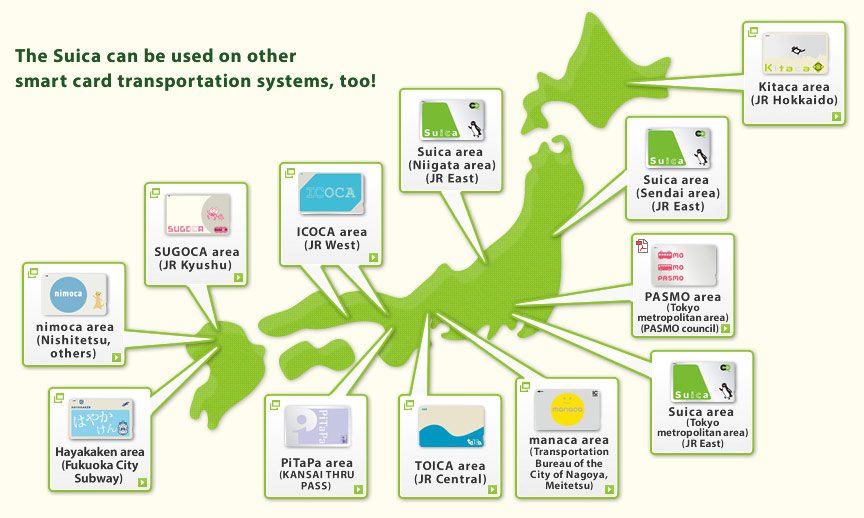
IC cards in Japan 2026: purchase and reloading

Complete guide to tickets and transport passes

Free Internet in Japan: where to connect
The essential applications to travel

Luggage storage in Japan: light travel
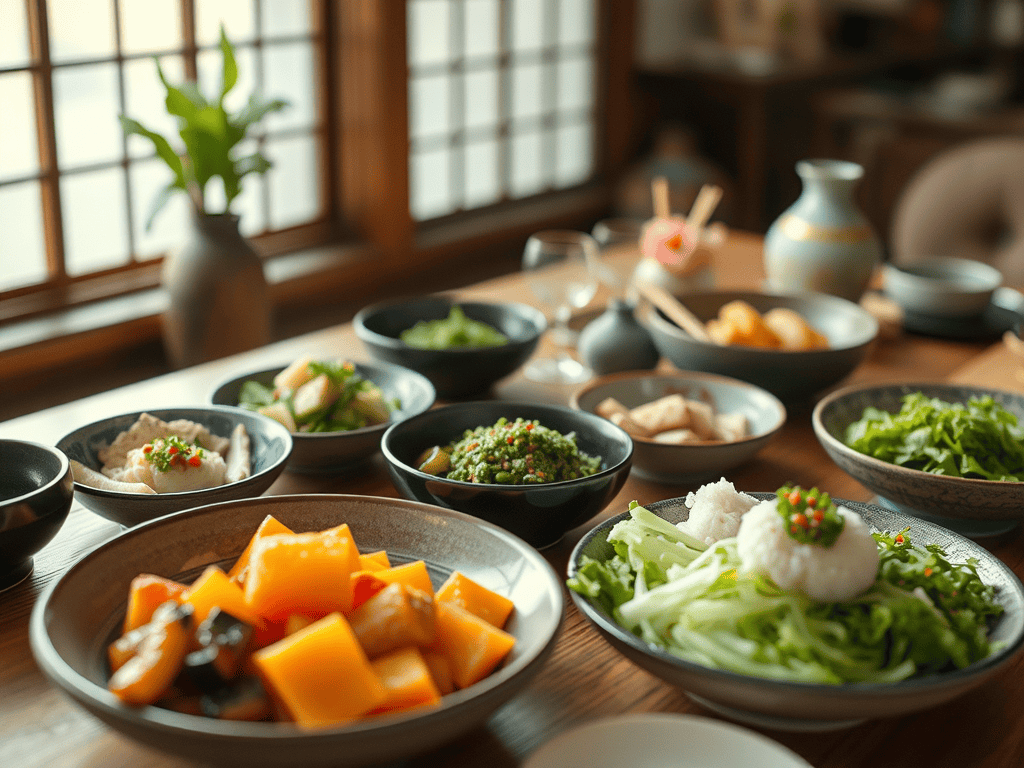
Vegetarian or vegan travel guide
In short: Kanto is discovered in prefectures, combining heritage, nature and gastronomy. Start with Kanagawa for the classic getaways, then explore Saitama, Tochigi and Gunma for the mountainous landscapes, and finish with Ibaraki and Chiba for the Pacific coast. The practical tips and FAQ below help you finalize the details.
If this article has brought you useful information and can help other travellers prepare for their stay, a Google review will always be appreciated.
Practical FAQ: preparing your trip to Kanto
How many days does it take to visit Kanto?
It takes 5 to 7 days to discover most of the Kanto in addition to Tokyo: 2 days in Kamakura-Enoshima, 1 day in Yokohama, 1 day in Nikko, 1 day in Chichibu or Kawagoe, 1 day in Kusatsu or Kinugawa.To combine all prefectures, plan 10 to 14 days. Passengers in a hurry can make a unique base in Tokyo and radiate by train: Kamakura is at 1 a.m., Yokohama at 30 min, Nikko at 2 a.m., Kusatsu at 2:30 a.m.
What is the best time to visit Kanto?
The best time to visit the Kanto is spring (late March to mid-April) and autumn (October-November).Both seasons offer pleasant temperatures (15-22 °C) and spectacular landscapes: cherry trees in Kamakura, mumiji in Nikko, flowers in Ashikaga. But these are also the most frequent and expensive times. The summer is warm and humid (30-35 °C), the winter is calmer but colder, ideal for onsen (Kusatsu, Kinugawa) and skiing (Gunma).
What daily budget is available in Kanto?
Count 8 000 to 14 000 yen (50-85 €) per day in backpacker budget and 20 000 to 30 000 yen (125-190 €) in mid-range.Travellers: hostel (3,000-5,000 ¥), single meals (1,000-1,500 ¥), transportation (1,000-2,000 ¥), visits (1,000-2,000 ¥). Midrange: ryokan or 3-star hotel (12 000-18 000 ¥), restaurants, a few visits. The rural prefectures (Gunma, Tochigi, Ibaraki) are 15 to 25% cheaper than Tokyo.
How to move around the Kanto without ruining yourself?
The JR Pass National is not profitable for a limited stay in Kanto.Focus on local maps: Suica or Pasmo (2,000 ¥), usable throughout Kanto. The Tokyo Wide Pass (3 days, about 10,000 ¥) covers Tokyo, Nikko, Kusatsu, Karuizawa, Fuji and Izu: it is profitable if you combine several days trips. The long-distance buses (Willer, JR Bus) connect Tokyo to Nikko, Kusatsu or Chichibu for 2,000-4,000 ¥. For Kamakura and Yokohama, the JR (800-1000 ¥ round trip) is sufficient.
What culinary specialties can you taste in Kanto?
Kanto has its own specialities, at affordable prices (800-3,000 ¥).Kanagawa: Shirasu (sardine babies) in Kamakura and Enoshima (1,000-1,500 ¥). Saitama: gyoza from Utsunomiya and miso from Kawagoe. Tochigi: yuba (tofu skin) in Nikko (1 200-2 000 ¥) and gyoza in Utsunomiya. Gunma : onsen manju and soba de Kusatsu. Ibaraki: Natto de Mito (500-1,000 ¥) and anko (red fish) grilled. Chiba: Seafood from Choshi and Unagi from Narita (2,000-3,000 ¥).
What to do in the Kanto when it rains?
Museums, covered temples and onsen are the best options in the Kanto on rainy days.Kanagawa: Kamakura temples (Hasedera, Hokoku-ji), Yokohama museums (Pewter Museum, Cup Noodles Museum, 500-1,000 ¥). Tochigi: Edo Wonderland in Nikko (4,700 ¥, indoor covered). Gunma: onsen from Kusatsu (500-1,500 ¥). Ibaraki: Mito Museums (Art Tower Mito, 1000 ¥). Chiba: Narita airport and Narita-san temple (free).