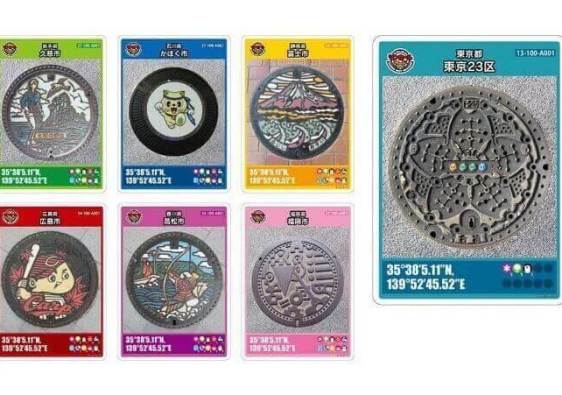
Manga is much more than a comic book in Japan: it is a cultural institution that reflects the values, aspirations and dreams of entire generations. From legendary authors to real places that inspire stories, this guide allows you to explore the richness of manga art and prepare your trip to Japan otherwise.
The classic authors
Manga history is marked by legendary figures who have redefined visual narrative. This section is intended for curious travellers to understand the roots of manga culture before going on the tracks of its creators.
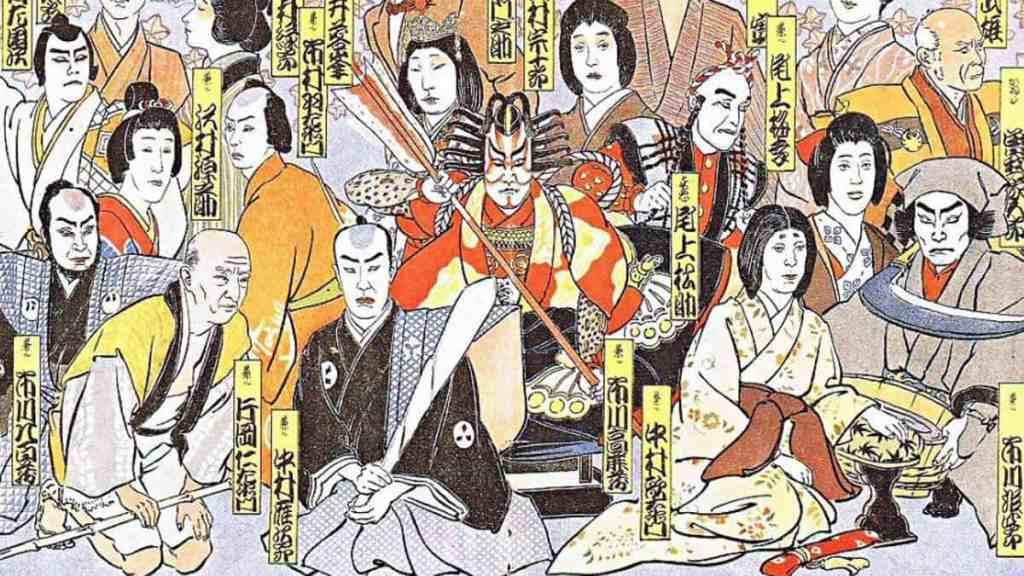
Yanagita Kunio and Rakuten Kitazawa

Osamu Tezuka and Shigeru Mizuki
Osamu Tezuka, nicknamed the “god of manga”, marked the advent of modern manga withAstro Boy. Shigeru Mizuki popularized Yōkai stories throughGeGeGe no Kitarô, widening the horizons of the genre.


Machiko Hasegawa and Leiji Matsumoto
Machiko Hasegawa, creator ofSazae-sanbroken gender stereotypes in post-war Japan. Leiji Matsumoto (1938-2023) marked the science fiction withAlbatorandGalaxy Express 999.


Once classical masters are discovered, explore the authors who have shaped contemporary manga and its most popular genres.
Popular authors today
The contemporary manga is a flourishing ecosystem, carried by authors who constantly push the boundaries of the genre. This section will interest fans of recent series who want to discover the creative minds behind their favorite works.
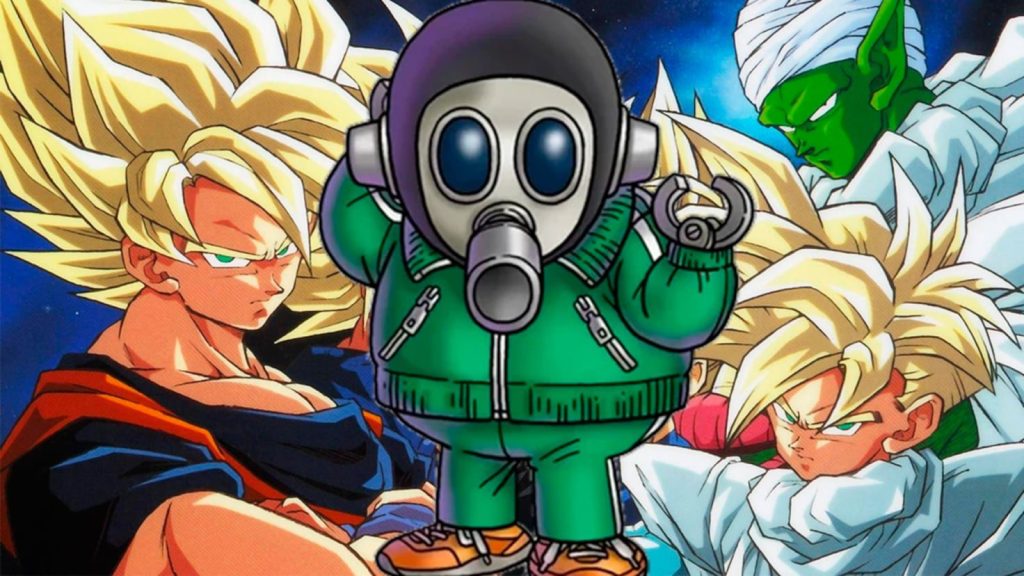
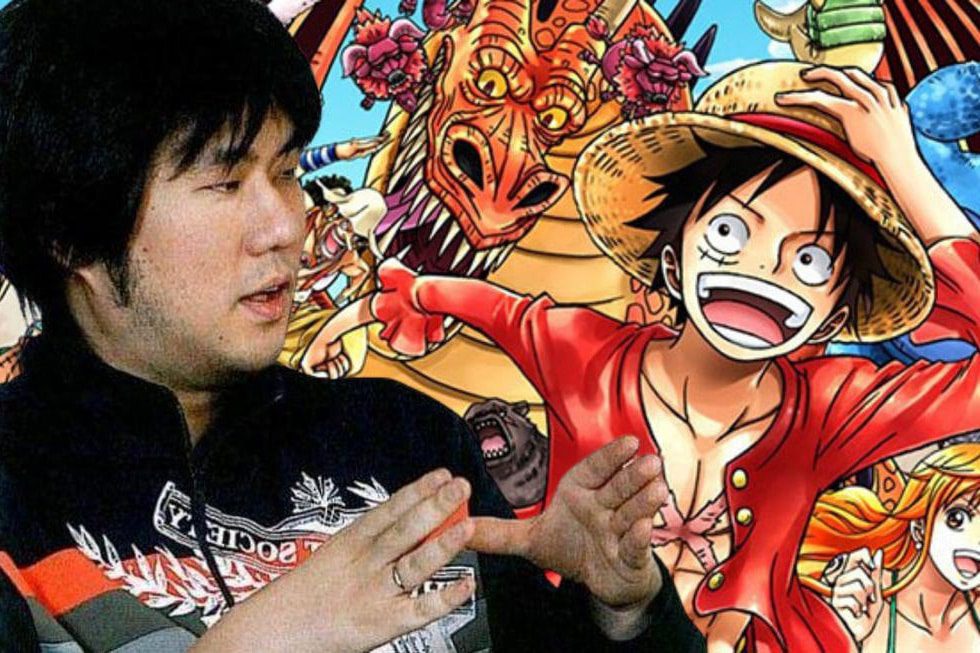

Naoko Takeuchi, creator ofSailor Moon, redefined the magic girl genre. Hajime Isayama, withThe Titans Attackhas captivated the whole world with its universal themes of freedom and survival.
The masters of horror
The horror is a major genre of Japanese manga, worn by authors with a unique graphic style. This section is intended for readers fascinated by icy stories and disturbing aesthetics.

Mangakas do not create in a vacuum: their works are often anchored in real places. Let us now go on the trail of the native cities that saw these artists born.
The native cities of mangaka
Mangakas do not create in a vacuum: their works are often anchored in real places that inspire or reflect their stories. For fans, visiting these cities is a unique way to connect to their favorite stories.


Other cities pay tribute to their native mangakas: Hokuei for Gosho Aoyama (Détective Conan), Hamanaka for Monkey Punch (Lupin III), Kōchi for Yanase Takashi (Anpanman), and Hita for Hajime Isayama (Titan Attack).


Beyond native cities, Japan offers museums dedicated to the art of manga and its creators. These places allow to understand the evolution of this art and to see original works.
Museums and places of memory
Whether you’re passionate about manga history or just curious, these museums offer an immersion in the world of mangakas and the evolution of their art. An ideal step for rainy days or to deepen your knowledge.


Pop culture and gaming
Manga lives not only in the pages: it irrigates pop culture, arcade halls and theme parks. This section is for travellers who want to extend the experience beyond reading.


For the fans of anime and manga, Japan is full of real places that inspired cult scenes. This is what we call theseichi junrei(pilgrimage on holy places).
Real places related to the animated – Seichi Junrei
Theseichi junreiconsists of visiting places that appear in animated and manga. This practice, which is very popular in Japan, makes it possible to see the scenery from a new angle and to understand how artists are inspired by reality.
Makoto Shinkai : Your Name, Suzume and Children of Time


Slam Dunk, Sailor Moon and Evangelion


Other places of anime


Ghibli and One Piece
Studio Ghibli and One Piece are two pillars of Japanese pop culture, with real places and dedicated immersive experiences. This section is for fans who want to extend the experience beyond the screen.
The world of Ghibli


The universe of One Piece


Gundam and Pokémon


Manga art is a pillar of Japanese culture, mixing traditions and modernity with captivating stories. Whether through the works of classical masters, the innovative creations of contemporary authors or the places that inspire their stories, manga continues to fascinate and transcend borders. On your next trip to Japan, dive into this rich universe and explore the many sites that celebrate this unique art form.
|
If this article has brought you useful information and can help other travellers prepare for their stay, a Google review will always be appreciated.
|
FAQ
How many days does it take for a trip on the tracks of the manga in Japan?
For a first trip on the tracks of the manga, plan 7 to 10 days. Tokyo alone deserves 3 to 4 days (Akihabara, Nakano Broadway, Tokiwasō Museum, Shibuya and Shinjuku neighborhoods for places ofYour Name). Add 2 days to Kyoto (international manga museum, traditional neighborhoods) and 1 to 2 days to a city of mangaka (Chofu, Sakaiminato or Hokuei). If you want to combine several regions (Kumamoto for One Piece, Kōchi for Anpanman, Hita for Titan Attack), take 12 to 14 days. Shinkansen travel between Tokyo, Kyoto and Okama is fast (2:30 to 3 hours per trip), but the more remote cities require connections.
What is the best time to visit manga places in Japan?
Spring (March-May) and autumn (October-November) are ideal: mild temperatures (15-22°C), low rainfall and beautiful landscapes. Avoid Golden Week (end of April-early May) where sites are crowded and hotels 30 to 50% more expensive. Summer (June-August) is warm and humid (30-35°C) with the rainy season in June-July, but it is the summer festival period (Nebuta in Aomori, Tanabata in Sendai) that can enrich your trip. Winter (December-February) is cold but dry in Tokyo, with hotel rates 20 to 30% lower. Museums and interior places (Tokiwasō, Tezuka Museum, Ghibli Museum) remain accessible all year round.
How much does a manga day in Tokyo cost?
Count 8 000 to 15 000 yen (50-95 €) per person for a comfortable day. Detail: transport (metro + JR) 800-1 200 yen ; Tokiwasō 500 yen museum entrance; museum Ghibli 1,000 yen (compulsory reservation); lunch ramen or konbini 800-1,500 yen; Themed coffee (Akihabara) 1,500-2,500 yen; purchases of goodies 2,000-5,000 yen. For a larger budget (20 000-30 000 yen), add a dinner in a theme restaurant (3 000-5,000 yen), an additional museum tour and more extensive shopping. Suica/Pasmo cards are accepted everywhere and avoid queues at distributors.
How to move between the different places of manga without ruining yourself?
The JR National Pass (7 days: about 50,000 yen) is profitable only if you chain Tokyo-Kyoto-Osaka-Hiroshima in less than a week. For a trip centered on Tokyo and its surroundings, a Suica/Pasmo card (rechargeable, 2,000 yen initial credit) is enough. Night buses (Willer Express, JR Bus) connect Tokyo to Osaka/Kyoto for 3,500-6,000 yen (8-10h drive, to book if you want to save). For the less accessible cities of mangaka (Sakaiminato, Hokuei, Hita, Kōchi), plan local trains (2,000-4,000 yen per route from the major stations) or a rental car (6,000-8,000 yen/day). The regional IC maps (ICOCA, Nimoca) operate in most urban networks.
What culinary specialties to taste on a manga trip to Japan?
Do not miss the ramen (800-1,500 yen) in the otaku districts: Ichiran in Shibuya or the small restaurants of Akihabara. The konbini (7-Eleven, Lawson, FamilyMart) offer onigiri (150-250 yen) and bentos (500-800 yen) perfect for a quick lunch between two visits. In Osaka, taste the takoyaki (500-800 yen the 6) and the lokonomiyaki (1,000-1,500 yen). In Kumamoto (States One Piece), the specialty is basashi (crude horse meat, 1,500-2,500 yen) and tonkatsu. In Hita (Titan Attack), taste the local yakisoba. The theme cafés (Gundam Café in Tokyo, Pokémon Café in Osaka) offer menus at 1,500-3,000 yen with decorated dishes. Finally, ATMs (100-200 yen) are part of the Japanese experience.
What to do on a manga trip when it rains?
Rain days are perfect for museums and covered places. The Tokiwasō Museum in Tokyo (500 yen) traces the history of mangaka and visits in 1h30. The international manga museum in Kyoto (900 yen) houses an impressive collection and temporary exhibitions. The Ghibli Museum in Mitaka (1,000 yen, compulsory reservation) is fully covered. In Tokyo, Nakano Broadway (covered shopping galleries) brings together dozens of manga shops and figurines, with prices often lower than in Akihabara. The department stores (Isetan, Tokyu Hands) have pop culture shelves and free exhibitions. The theme cafés (Pokémon Café, Square Enix Café) require a reservation (1,500-3,000 yen) but offer an immersive experience. Finally, karaoke rooms (1 000-2 000 yen/hour) are a classic refuge on bad weather days.
Discover more from Evasions Rebelles - Travel Planner Japon
Subscribe to get the latest posts sent to your email.