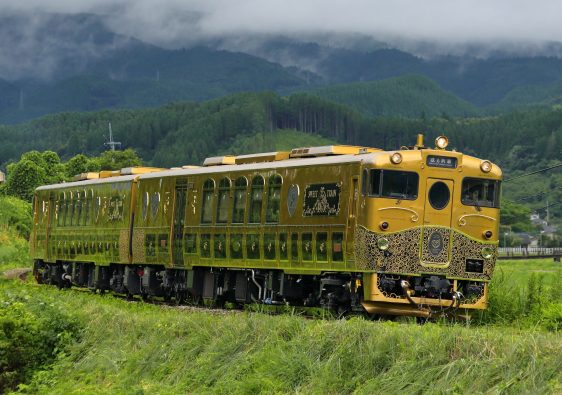
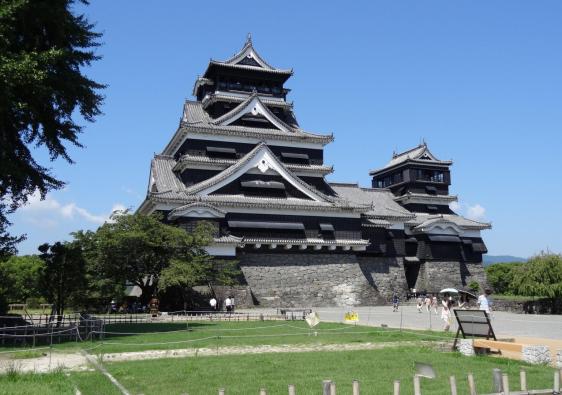
The island of Kyûshû seduces travellers who wish to leave the beaten path, between hot springs, active volcanoes, lush forests, port cities and preserved villages. Located in the extreme southwest of the archipelago, it offers exceptional geographical, cultural and gastronomic diversity. From the dynamic metropolises of Fukuoka to the subtropical islands of Kagoshima, through the smoking hells of Beppu and the shrines of Miyazaki, Kyûshû invites a contrasting journey away from the classic circuits. This guide helps you understand the geography of the island, organize your trips, explore its seven prefectures and build a coherent itinerary.
Understanding Kyûshû: geography and identity
Kyûshû means “the nine provinces”, a historical reference to the former administrative divisions. Today, the island consists of seven prefectures: Fukuoka, Saga, Nagasaki, Kumamoto, Oita, Miyazaki and Kagoshima. It covers more than 35,600 km2 and has about 14 million inhabitants.
Its geography contrasts between coastal plains, volcanic plateaus, deep rivers and subtropical areas. This natural diversity directly influences lifestyles, regional traditions and culinary specialties.
When to go to Kyûshû?
Kyûshû’s climate is temperate to subtropical. The best times to visit are spring (April-May) and autumn (October-November), when temperatures are pleasant and nature is particularly beautiful. Summer can be heavy, warm and humid, but it is also the season of festivals and very green landscapes. The winter is calmer, suitable for onsen baths, with spectacular urban illuminations in December.
How to move to Kyûshû
Kyûshû travels easily by train thanks to shinkansen and the JR network, but rural and volcanic areas often require a car or bus. Here are the options to combine according to your itinerary.

Travelling by train in Japan

Driving in Japan: permits, rental, rules

SunQ Pass: the Kyûshû regional bus pass
The seven prefectures of Kyûshû
Each Kyûshû prefecture has its own identity: Fukuoka and its urban life, Saga and its crafts, Nagasaki and its cosmopolitan history, Ôita and its onsen, Kumamoto and its volcano, Miyazaki and its myths, Kagoshima and its islands. This section brings together our articles dedicated to each prefecture.
Fukuoka: urban crossroads and front door
With its international airport, Fukuoka is often the first contact with the island. Modern and dynamic, the city also offers cultural sites such as the Kushida Shrine or the Hakata Machiya Museum. Dazaifu, Yanagawa and Ainoshima (the Cat Island) are excellent excursions from Fukuoka.

Fukuoka — neighborhoods, gastronomy and must-see places

Kitakyushu — History and Urban Culture
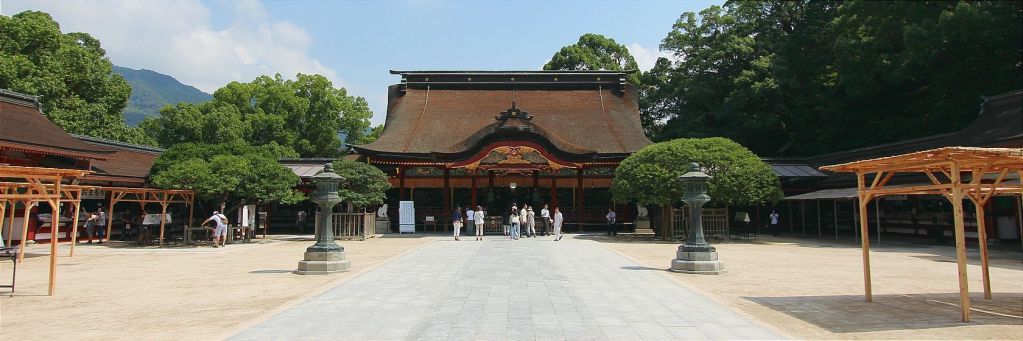
Dazaifu — sanctuary and historical heritage

Day trip to Dazaifu from Fukuoka
Saga: Crafts and discreet nature
Less frequented by tourists, Saga is an ideal destination to discover a peaceful Japan. Ceramics of Arita and Imari, renowned green teas, balloon festival and discreet shrines form an authentic picture. Not to be missed: the floating tori of Tara and Yutoku Inari, one of the most beautiful shrines on the island.
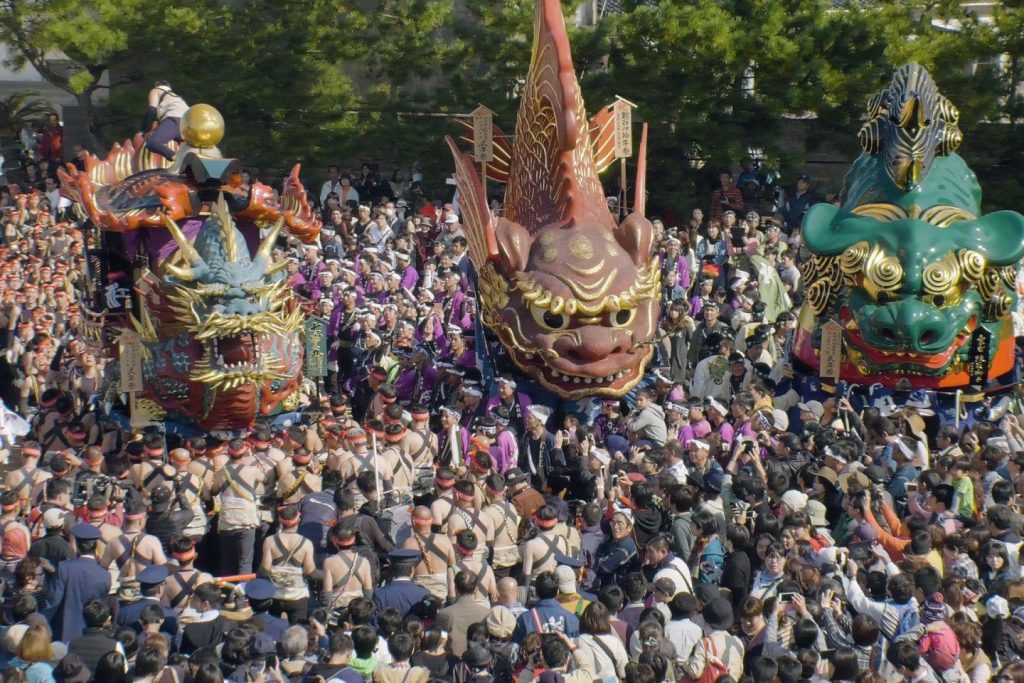
Nagasaki: intersection of influences
An early port city opened to the West, Nagasaki has a unique cosmopolitan atmosphere. Museums on nuclear history are alongside Christian and Chinese remains, while steep streets offer superb views of the bay. Recommended excursions: Hirado, Unzen, Shimabara, fruit-shaped bus shelters.

Nagasaki — history, culture and port panorama

Hirado Island — castle and maritime heritage

Unzen — onsen and volcanic landscapes

Shimabara — Castle and Christian Heritage
Oita: land of hot springs
Ôita is famous for Beppu and its “underworlds”, spectacular geothermal springs. Yufuin offers a more elegant and rural version of thermal tourism. The region is also seduced by its volcanic landscapes and historic villages. Sites to include: Kitsuki (former samurai city), Usa sanctuary, Kuju Mountains.

Oita — capital of hot springs

Beppu — Hells and hot springs

Yufuin — elegant thermal village

Kitsuki — ancient samurai city
Kumamoto: volcano and heritage
Mount Aso, one of the largest active volcanoes in the world, dominates the landscape. Kumamoto also houses one of the three most beautiful castles in Japan, recently renovated after the earthquakes of 2016. The area is perfect for lovers of hiking, onsen and rural excursions. To explore: Kurokawa onsen, Suizen-ji garden, Gokanoshô, Amakusa.
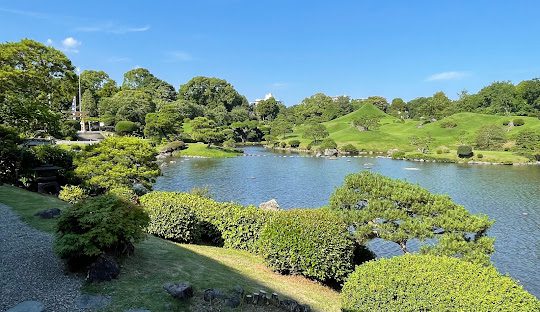
Kumamoto — historical and cultural city

Aso Boy — panoramic train to the volcano

Amakusa — Islands and Christian Heritage

Amakusa — The History of Christianity
Miyazaki: Spirituality and tropical nature
Renowned for its sites related to Japanese mythology, Miyazaki combines sacred culture and seaside atmosphere. With its mild climate all year round, it is also a good drop point for surfing or hiking. Indistinguishable: Takachiho and its gorges, Aoshima, Udo sanctuary, Ebino plateau.

Miyazaki — beaches, nature and shrines
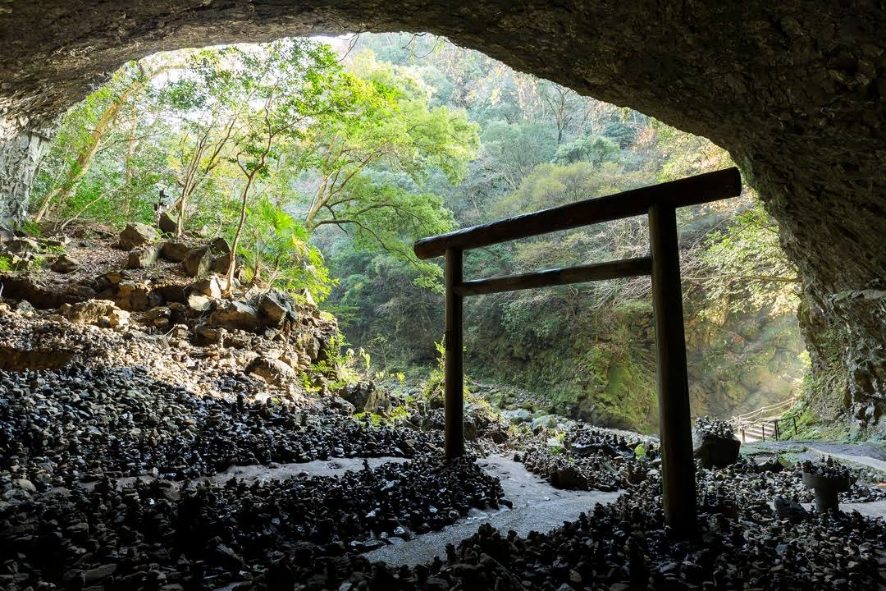
Takachiho — gorges and myths

Nobeoka — Noo theatre and gastronomy

Rural landscapes of Kyûshû
Kagoshima: volcanoes and paradise islands
Kagoshima is dominated by Sakurajima, an active volcano accessible by ferry. There are also sand baths, shôchû distilleries and spectacular subtropical islands such as Yakushima (UNESCO-classified). Places to be integrated: Ibusuki, Kirishima, Izumi and its cranes, Tokara Islands.

Kagoshima — volcanoes and southern landscapes

Sakurajima — the active volcano of the bay

Yakushima — UNESCO forest and subtropical nature

Amami Islands — subtropical archipelago of Kagoshima
Onsen and Kyûshû’s iconic spas
Kyûshû is one of the hottest areas in Japan: volcanic springs, traditional ryokan, outdoor baths (rotenburo) and entire villages dedicated to onsen. This section is for travellers who want to make relaxation part of the trip.
Beppu — Hells and hot springs
Yufuin — elegant thermal village
Unzen — onsen and volcanic landscapes
Volcanoes and hiking in Kyûshû
Between Mount Aso, the Sakurajima and the Kirishima Mountains, Kyûshû offers a unique playground for lovers of volcanoes and hiking. Here are the articles to prepare your ascents and nature routes.
Kyûshû Islands and Coastal
Kyûshû has many islands, from the Christian heritage of Amakusa to the primary forests of Yakushima and the subtropical beaches of Miyazaki. This section is for travellers who want to combine cultural and farnient discovery.
Suggested routes in Kyûshû
For a first discovery, a 5- to 7-day circuit can include Fukuoka, Dazaifu, Nagasaki, Unzen and Kumamoto. More adventurous travellers can spend 10 to 15 days on a full tour of the island, including Kagoshima, Yakushima, Miyazaki, Beppu and Yufuin. By car, the Kumamoto → Mount Aso → Kurokawa onsen → Beppu → Yufuin makes it possible to combine volcanoes, onsen and gastronomy. Those who wish to combine spirituality and nature can turn to Takachiho, Aoshima and the Udo sanctuary.
Prepare your trip to Kyûshû
Accommodation ranges from ryokan to guesthouses and urban hotels. The JR Kyûshû Pass or the All Kyushu Area Pass are useful for train trips. The main stations have tourist information centres and facilities. For an extended stay, car rental is recommended. In summer, good hydration is required, and in winter warm clothing for mountainous areas.
Kyûshû offers a complementary face to Japan, both accessible and deeply rooted in local traditions. It is an ideal destination for those who want to travel differently, at the pace of nature, history and human encounters. Whatever the season or the duration, Kyûshû promises rich memories, away from the crowd and as close to the Japanese daily.
If this article has brought you useful information and can help other travellers prepare for their stay, a Google review will always be appreciated.
Practical FAQ: preparing your trip to Kyûshû
How many days does it take to visit Kyûshû?
It takes 5 to 7 days to discover the essentials of Kyûshû (Fukuoka, Nagasaki, Kumamoto, Beppu), and 10 to 15 days to make the full tour of the island.A short circuit can focus on the north (Fukuoka → Dazaifu → Nagasaki → Unzen). To combine volcanoes, onsen and heritage, plan at least 10 days. Travellers in a hurry can make a unique base in Fukuoka and radiate: Dazaifu is 30 min, Kumamoto at 1:30 am in shinkansen, Nagasaki at 2 am.
What is the best time to visit Kyûshû?
The best time to visit Kyûshû is spring (April-May) and autumn (October-November).Spring offers cherry blossoms around castles and shrines. The summer is warm and humid, but suitable for festivals (Hakata Gion Yamakasa in July). Autumn offers bright colors in the mountains. The winter is mild on the coast, colder in altitude. Avoid the rainy season (June to mid-July) if you hike.
What daily budget is planned in Kyûshû?
Count 8 000 to 14 000 yen (50-85 €) per day in backpacker budget and 18 000 to 28 000 yen (110-175 €) in mid-range.Travellers: inn or business hotel (4,000-6,000 ¥), single meals (1,000-1,500 ¥), transportation (1,000-2,000 ¥), tours (500-1,500 ¥). Mid-range: ryokan (12 000-18 000 ¥), local restaurants, some onsen. Kyûshû is 10 to 20% cheaper than Tokyo.
How do you move to Kyûshû without ruining yourself?
The JR Kyûshû Pass (3-7 days, 15,000-25 000 ¥) is the best choice to combine several cities.It covers the island’s JR lines, including shinkansen. For rural areas (Takachiho, Unzen, Aso), the SunQ Pass (bus, 8,000-16 000 ¥) is an interesting alternative. The rental car remains essential for remote villages and isolated temples.
What culinary specialties to taste in Kyûshû?
Kyûshû has its own specialities, at affordable prices (800-2,500 ¥).Fukuoka : tonkotsu ramen (800-1 200 ¥) and mentaiko. Nagasaki: field and sara udon (900-1,500 ¥). Kumamoto: basashi (crude horse meat) and karashi renkon. Kagoshima: kurobuta (Black Pork, 1,500-2500 ¥) and shôchû. Miyazaki: slurry chicken (1 200-2 000 ¥). Ôita : toriten (fried chicken).
What to do in Kyûshû when it rains?
Onsen, museums and covered temples are the best options on rainy days.Beppu Onsen (400-1 000 ¥) and Yufuin Onsen. In Fukuoka: city museum (200 ¥) and Hakata Machiya museum (300 ¥). In Nagasaki: atomic bomb museum (200 ¥) and Dejima (510 ¥). In Kagoshima: Meiji Restoration Museum (300 ¥). Traditional ryokans remain a safe value in rainy weather.
Discover more from Evasions Rebelles - Travel Planner Japon
Subscribe to get the latest posts sent to your email.