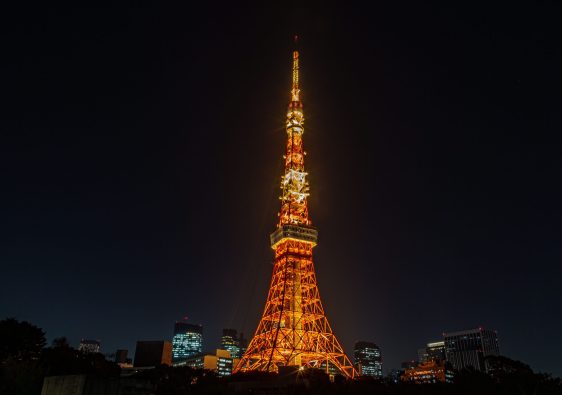
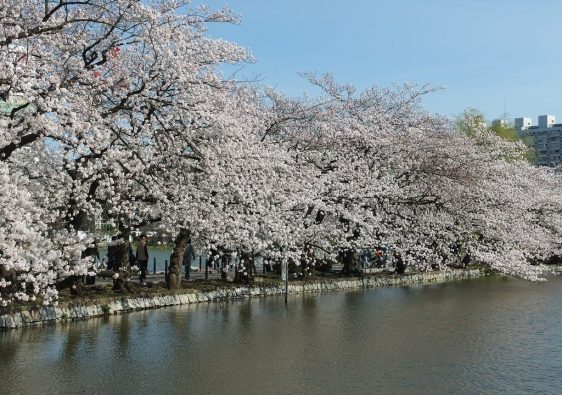
Tokyo, the vibrant metropolis is a must-see destination for discovery lovers. With its glittering neons, ancestral temples and unique neighbourhoods, the Japanese capital offers a rich and varied experience. Whether you are passionate about pop culture, gastronomy or simply looking for adventures, Tokyo will seduce you.
How to use this guide:the neighborhoods are classified by geographical area, from the historical center (Marunouchi, Asakusa) to the modern neighborhoods (Shibouya, Shinjuku, Odaiba). If you are planning a first stay, start with the section “Discover Tokyo” which offers turnkey routes of 2 and 7 days. For a getaway out of the capital, see the “Day-trips from Tokyo” section. Finally, “Practical advice” brings together everything you need to know about transportation, tickets and connectivity.
Discover Tokyo by District
Explore Tokyo goes first and foremost through its neighbourhoods, each with a marked identity. Moving from area to area makes it possible to grasp the complexity and richness of the capital. Here are the areas to explore according to your desires: tradition in Asakusa, effervescence in Shibuya, pop culture in Akihabara, elegance in Ginza.
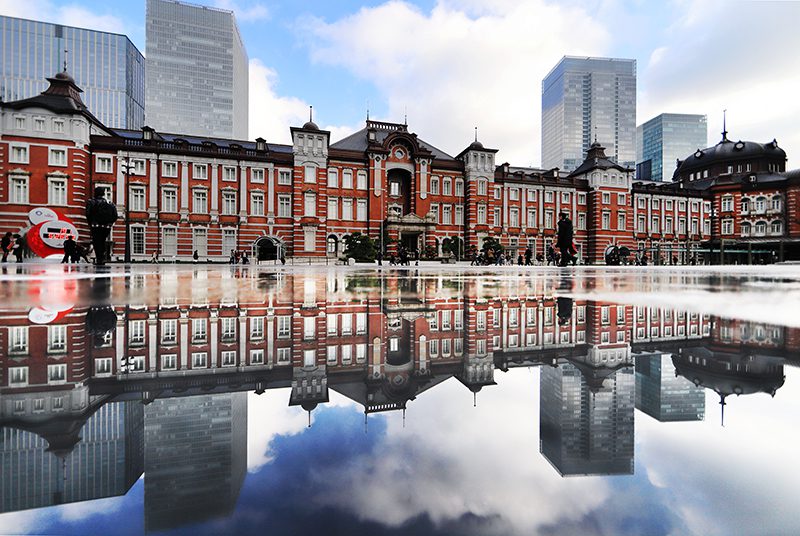
Tokyo Station – Marunouchi
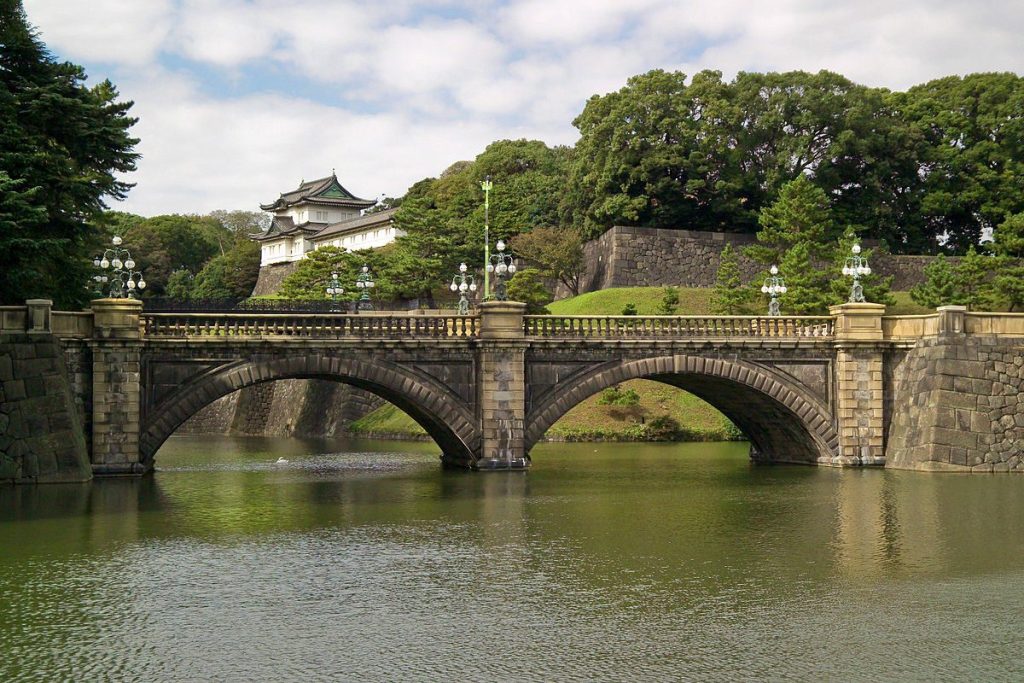
Tokyo – Imperial Palace

Tokyo – Asakusa, Ryogoku and Skytree

Tokyo – Shinjuku

Shibuya, Tokyo’s vibrant face
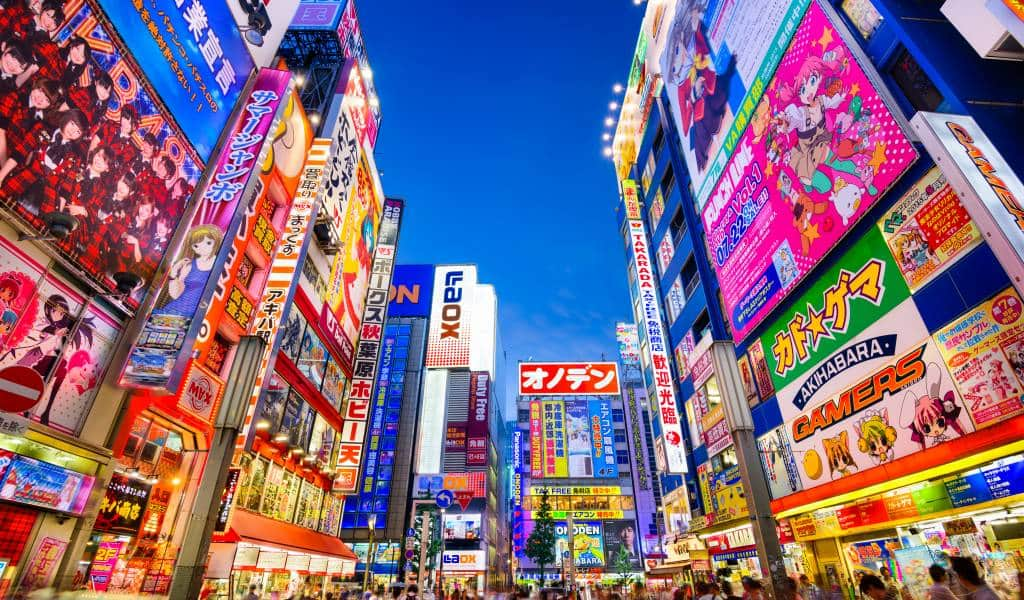
Tokyo – Akihabara and Jimbocho

Tokyo – Harajuku, Aoyama

Tokyo – Ueno

Tokyo – Odaiba
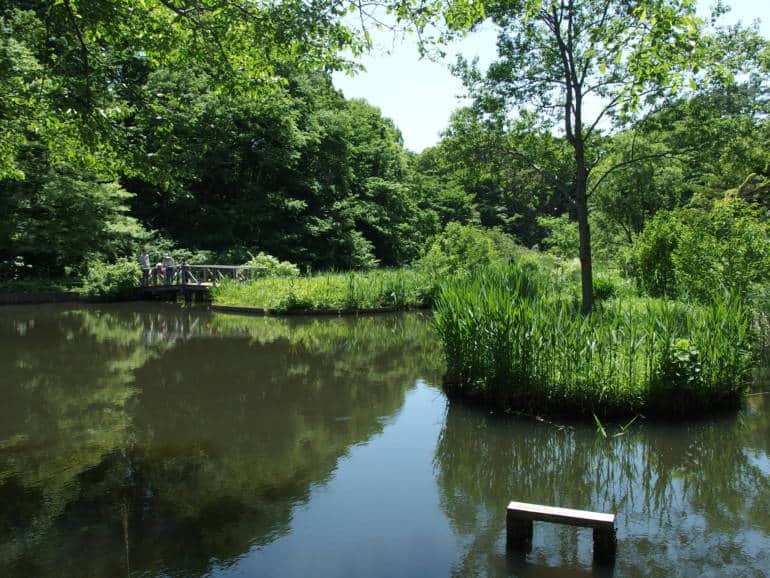
Tokyo – Ebisu, Daikanyama and Meguro

Tokyo – Ginza

Tokyo – Roppongi
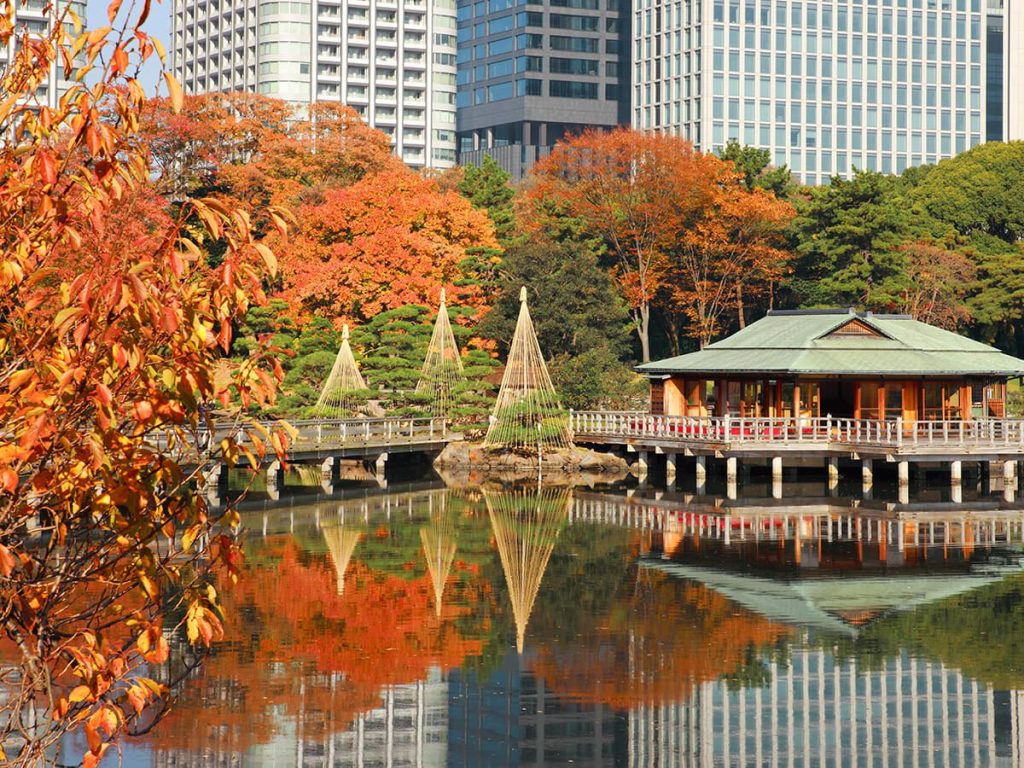
Tokyo – Shimbashi, Shinagawa
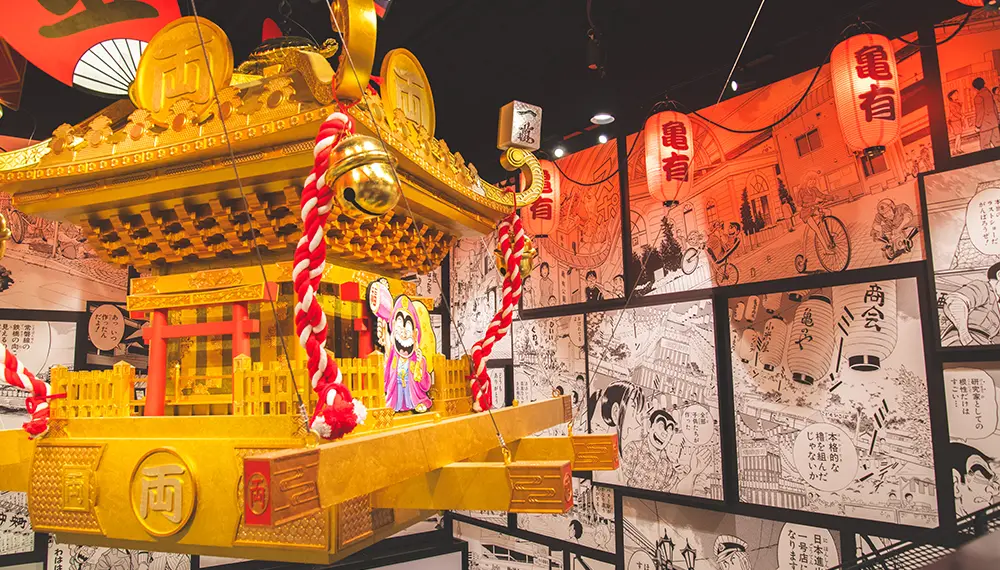
Kameari: a manga neighborhood to explore in Tokyo
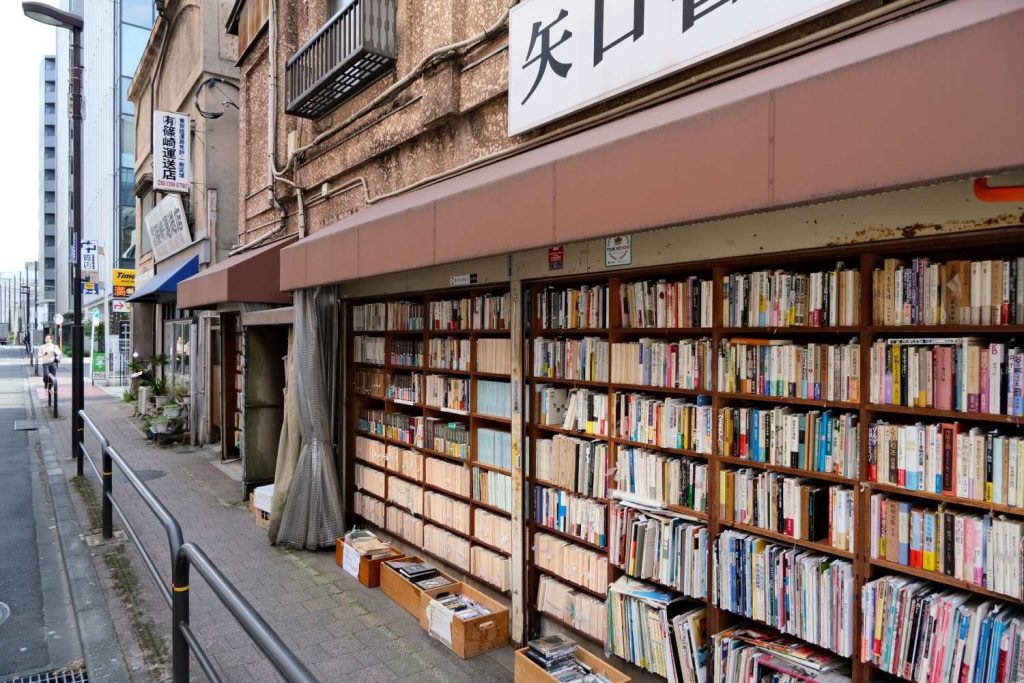
Jimbocho : Tokyo Bookshop District
Once the emblematic neighborhoods are covered, expand your exploration with the special boroughs and the thematic routes that follow. They reveal a more intimate Tokyo, far from the major tourist attractions.
Discover Tokyo by special districts
Tokyo is composed of 23 special districts, each with its own administration and a marked identity. Through them we can better understand the urban organisation and the diversity of the capital. This section is for travellers who have already seen the essentials and want to deepen their discovery of the city.

Nakano Arrondissement: hidden paradise of the otaku in Tokyo
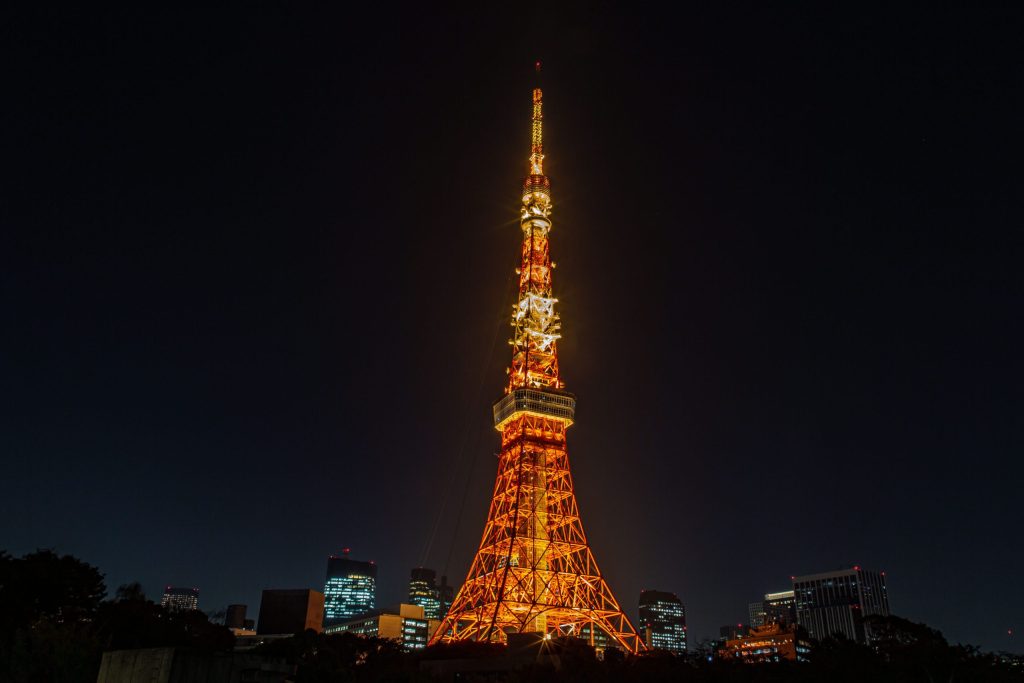
Minato, Tokyo’s strategic and cosmopolitan heart
Discover Tokyo
This section brings together traditional routes and approaches to understand the essentials of Tokyo. It is intended for travellers wishing a first structured reading of the city, with turnkey routes of 2 and 7 days.
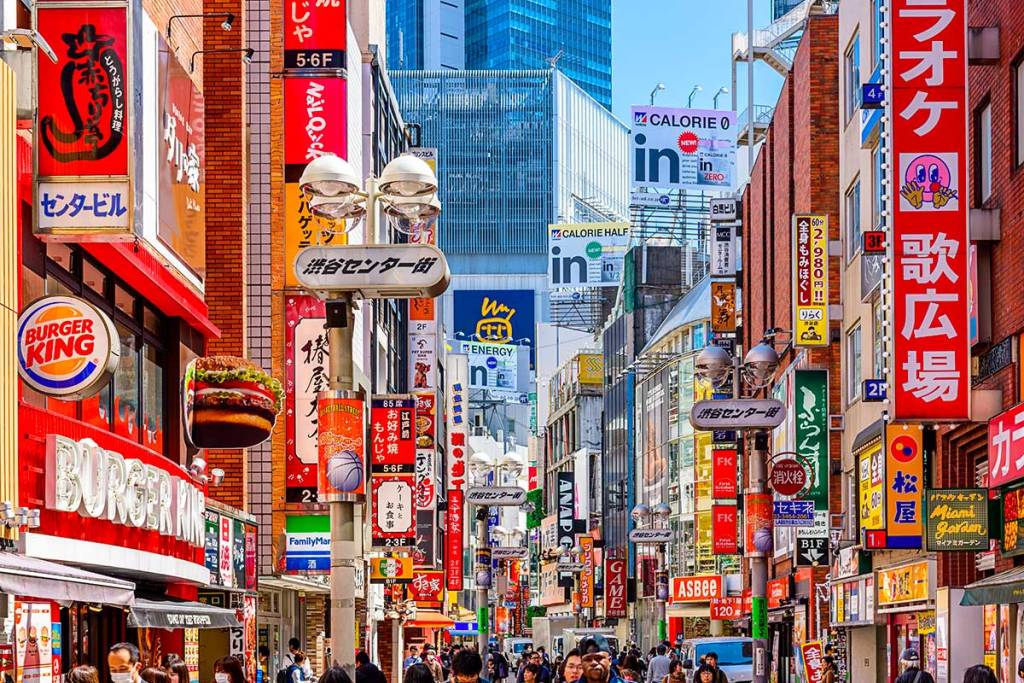
Tokyo in 2 days : Itinerary to discover the essentials of the Japanese capital

7 days in Tokyo: An unforgettable itinerary
Discover Tokyo differently
Tokyo also reveals a more discreet face, far from the busy axes. These proposals invite you to leave the routes expected to discover singular places: unusual museums, unknown temples, neighbourhood markets and walks along the water. Ideal for a second stay or for travelers looking for authenticity.

Tokyo differently: the unusual museums to discover
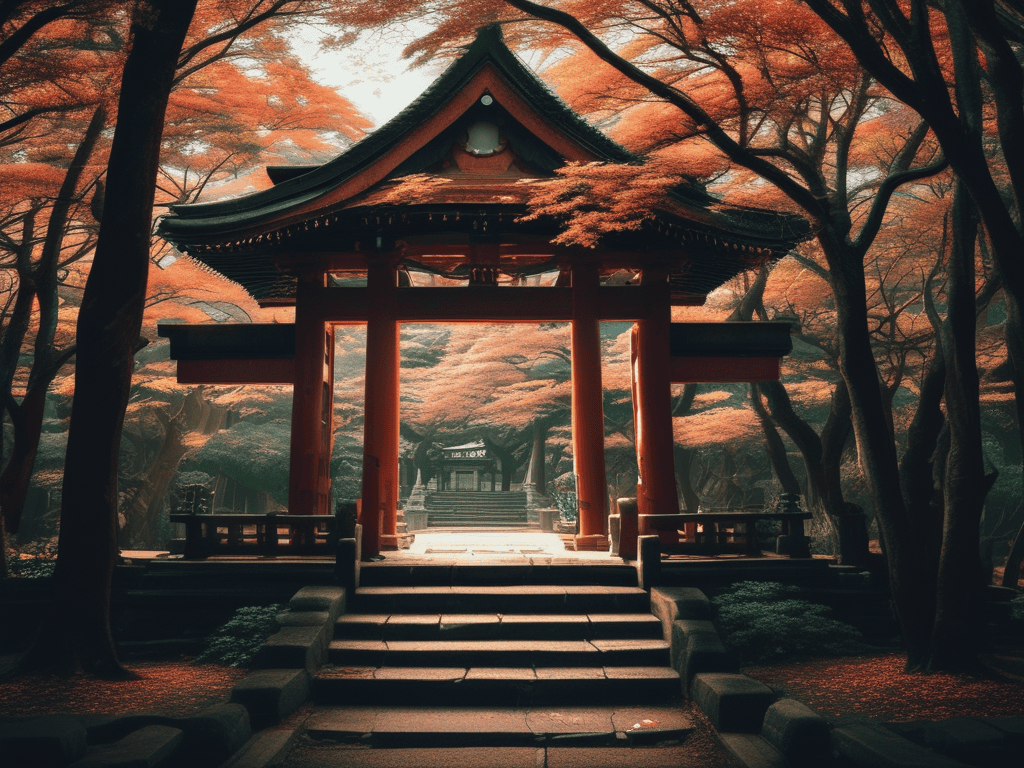
10 unknown temples in Tokyo

Chofu, the city at the gates of Tokyo where Shigeru Mizuki’s universe comes to life

8 Weekly and Regular Markets in Tokyo

Panoramic views of Tokyo from the water
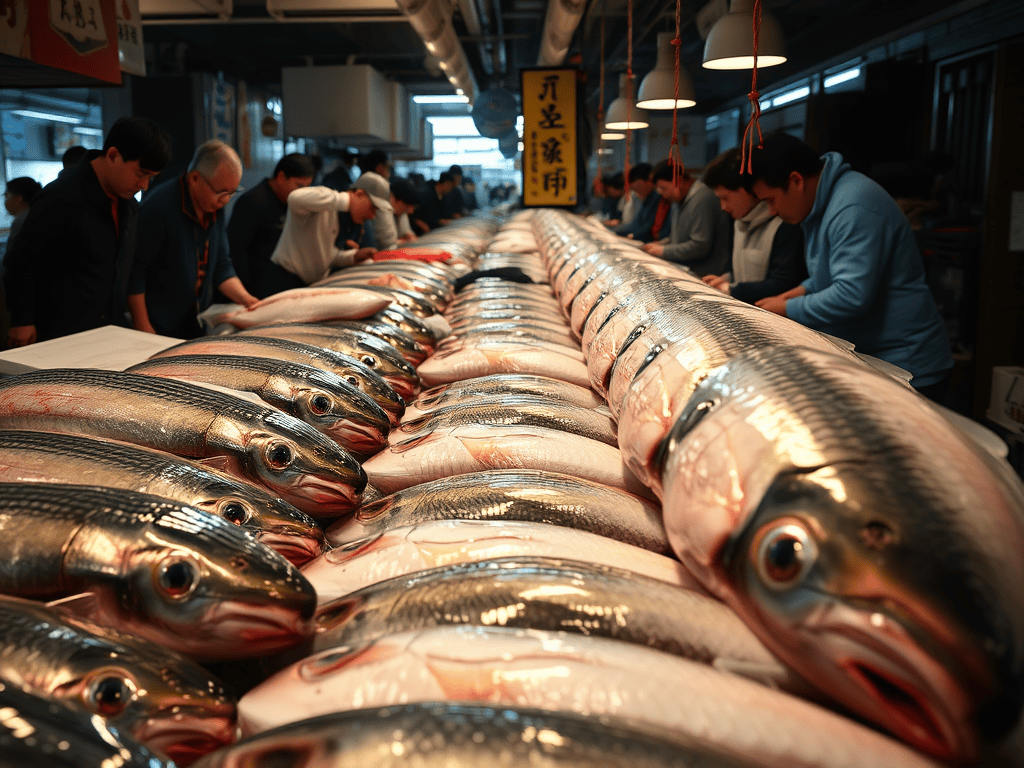
Toyosu Fish Market: Tokyo’s Maritime Heart
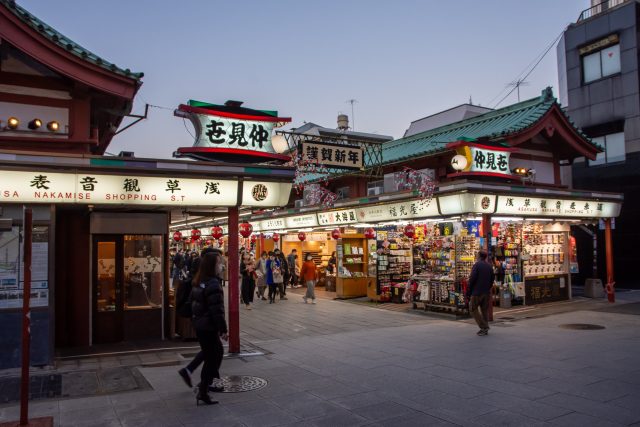
Tokyo’s Discovery of the Historic Quarters of the Japanese Capital
After exploring the capital, why not leave the city? The Tokyo region is full of destinations accessible by day, perfect for varying landscapes without changing accommodation.
Day-Trips from Tokyo
The Tokyo area is full of daytime, train or bus destinations. These getaways allow to vary the landscapes — temples, mountains, seafront — while maintaining a unique drop point. Count 1 hour to 2 hours depending on the destination.

Day Trip in Kawagoe from Tokyo
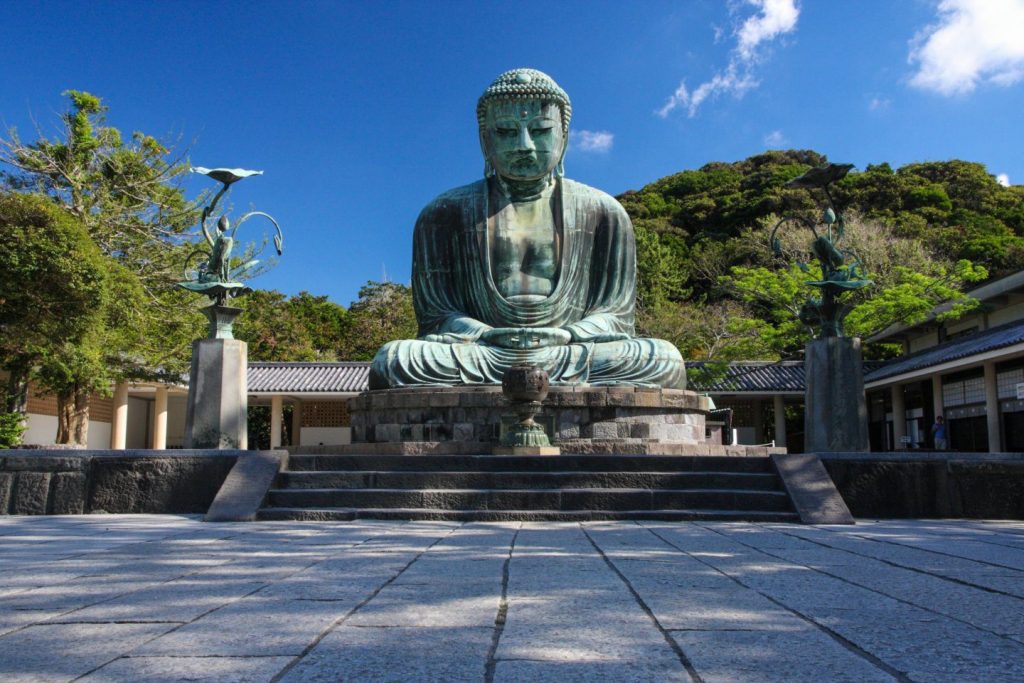
Day Trip in Kamakura
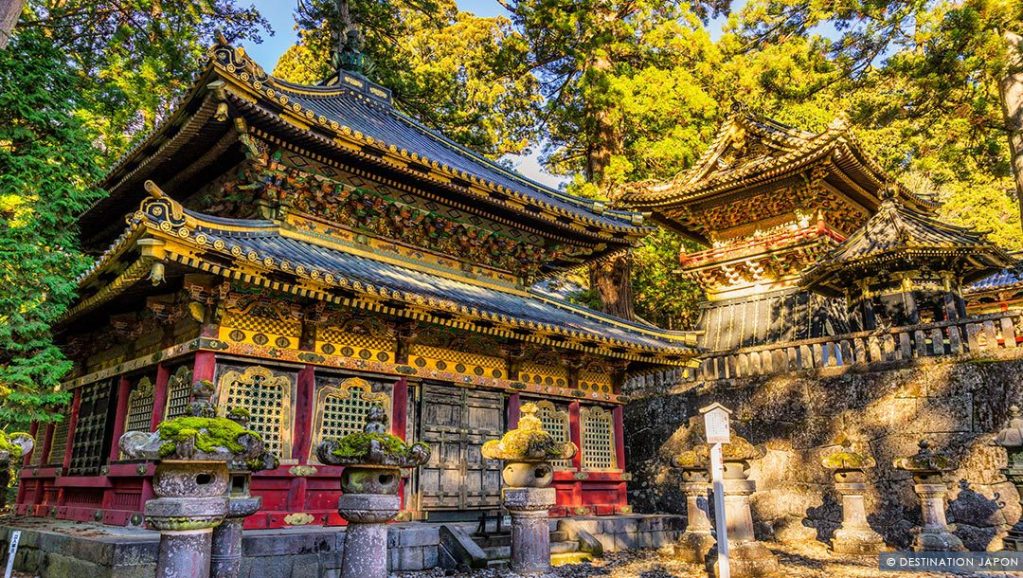
Day Trip in Nikko from Tokyo: complete guide for travellers

2 days in Yokohama: Express route for passengers in a hurry

Day Trip in Kawasaki

Mount Takao: exploring nature at the gates of Tokyo
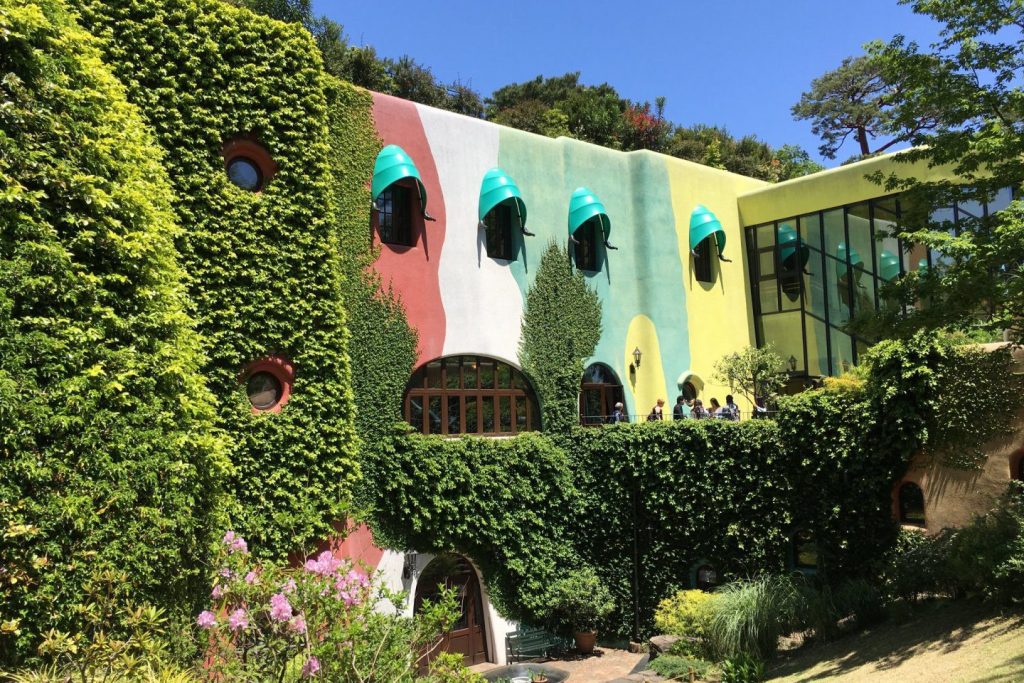
Mitaka Ghibli Museum: Dive into the magical world of Miyazaki
To take advantage of Tokyo and its surroundings, a few practical concepts are needed: transport cards, Shinkansen reservation, reading schedules and mobile connectivity. This is the essentials to know before departure.
Additional advice
These practical articles complete your preparation: they cover transport, tickets and connectivity, with concrete steps-by-steps to avoid queues and bad surprises on site.
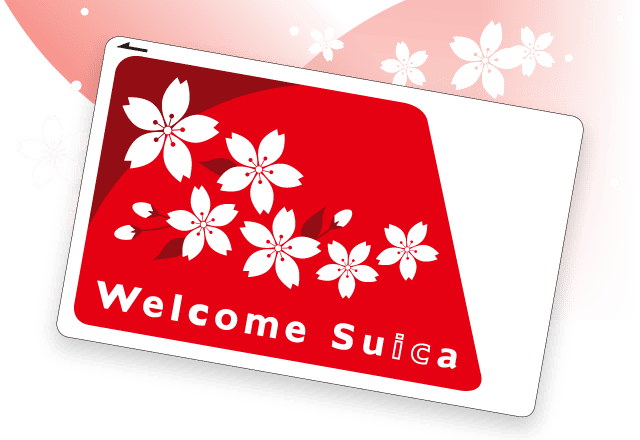
Discover the Welcome Suica: Your Passport for a Careless Trip to Japan

Buy a Metro Ticket in Japan

Book a Shinkansen online
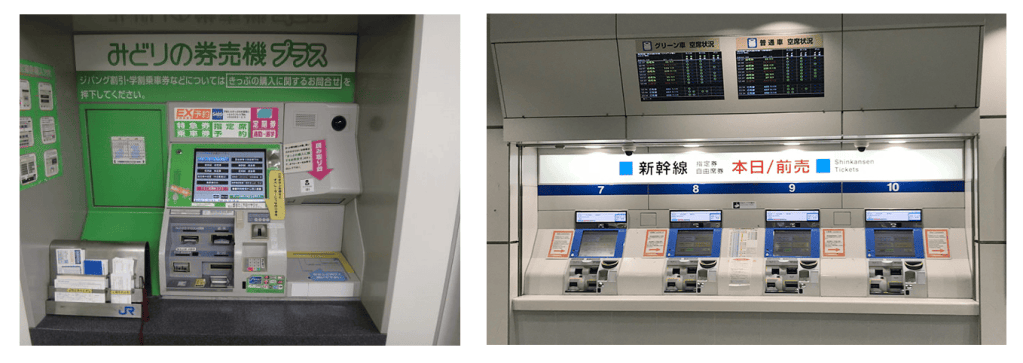
Buy a Shinkansen Ticket: Step by Step Guide

Read the Schedules at the Stations in Japan
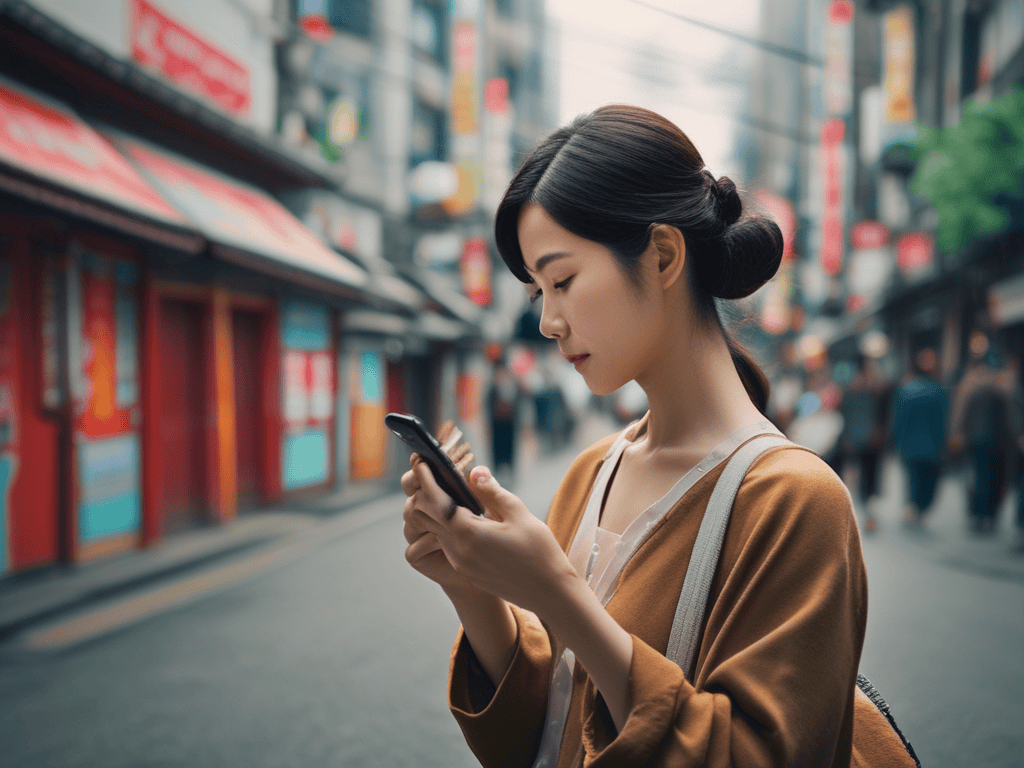
Stay Connected in Japan: SIM Cards
If this article has brought you useful information and can help other travellers prepare for their stay, a Google review will always be appreciated.
For a daily dose of Japan, follow us on Threads
Frequently Asked Questions about Tokyo
How many days does it take to visit Tokyo?
For a first stay, countminimum 3 to 4 daysto see the essentials: Asakusa, Shibuya, Shinjuku, Ueno and the Imperial Palace. With5-7 days, you add more specific neighborhoods (Akihabara, Ginza, Roppongi, Odaiba) and one or two day trips (Kamakura, Nikko, Kawagoe). If you really want to explore in depth — museums, markets, eccentric neighbourhoods like Kameari or Jimbocho — plan10 dayson the spot. Tokyo is huge and travels slowly: it’s better to have fewer neighborhoods a day and stroll than running from one point to the next.
What is the best time to visit Tokyo?
TheSpring (March-May)andAutumn (October-November)are the most pleasant periods: mild temperatures (15-22 °C), low humidity and spectacular landscapes (flowered cherry trees, red maples). They are also the most frequented, with hotel rates 20 to 40% higher. LWinter (December-February)is dry and sunny, ideal for cultural visits, but cold (5-10 °C). Lsummer (June-August)is warm and humid (28-33 °C), with a rainy season in June-July: to avoid if you don’t support the heat. For festivals, aim at the end of July (Sumida River Fireworks) or the December illuminations.
How much is a day in Tokyo?
Count on average8 000 to 15 000 yen (€50 to 95) per person per dayfor a budgetd traveller: 3,000-5,000 yen for accommodation in inn or hotel capsule, 2,000-3,000 yen for meals (konbini + restaurant), 1,000 yen for transport, 1,000-2,000 yen for activities. For a comfortable budget (hotel 3-4 stars, regular restaurants, some paid tours), plan20,000 to 30,000 yen (125 to 190 €)a day. Konbini meals (500-800 yen) and lunches at noon (teishoku at 1,000 yen) significantly reduce the rating.
How to move around Tokyo without ruining yourself?
Themetro and the JR networkare the most efficient and economical means. Buy a rechargeable cardSuicaorPasmo(2,000 yen, including 500 refundable deposit): you pay for the race, without a ticket on each trip. A short trip costs150-200 yen, a journey in central Tokyo200-300 yen. For several days, theTokyo Subway Ticket(24 h / 48 h / 72 h) offers unlimited access to Tokyo Metro and Toei lines from800 yen(24 h), 1,200 yen (48 h), 1,500 yen (72 h). Avoid taxis (count 500 yen for support + 2,000-3,000 yen for a short trip) and prefer walking for short distances.
What areas to avoid in Tokyo?
Tokyo is a cityvery surecompared to other major world capitals. No neighborhood is really “to avoid” during the day. At night, just pay attention toKabukicho(Shinjuku) andRoppongi: they are lively neighborhoods but where the harvesters and salt additions exist. Avoid priceless bars and insistent invitations on the street. The residential areas (Nakano, Suginami, Setagaya) are quiet and safe. Areas around large railway stations (Shinjuku, Shibuya, Ikebukuro) are very frequented but without particular danger. Just like everywhere, keep your stuff in sight in crowded transportation.
What to do in Tokyo when it rains?
Tokyo is full of activitiesindoorfor rainy days. Thedepartment stores(Ginza, Shinjuku, Shibuya) are perfect for shopping and gastronomy. CultureTokyo National Museum(Ueno, 1,000 yen),Edo-Tokyo Museum(Ryogoku, 600 yen) orteamLab Borderless(Azabudai Hills, ~4,000 yen) offer visiting hours. Theaquariums(Sunshine Aquarium in Ikebukuro, Maxell Aqua Park in Shinagawa) pleased families. For a typical experience, take refuge in acoffeeorizakayaand taste the local cuisine. Finally, theArt galleriesof Roppongi andpachinko roomscomplete the list.
If this article has brought you useful information and can help other travellers prepare for their stay, a Google review will always be appreciated. |
|
Discover more from Evasions Rebelles - Travel Planner Japon
Subscribe to get the latest posts sent to your email.