
Explore Japan and its culture with our interactive map: each point opens the door to a fascinating place to discover through our detailed articles, enriched with practical tips and authentic stories. This guide centralizes our resources by region to facilitate the preparation of your trip to Japan.
Last updated : October 2026
How to use this guide:start with the interactive map to find the places you are interested in, then explore the regions via the clickable maps below. Each map leads to a detailed article with authentic itineraries, tips and stories. The FAQ at the bottom of the page answers practical questions about duration, budget and the ideal period.
This guide covers the main regions of Japan: Hokkaido, Tohoku, Kanto, Chubu, Kansai, Chugoku, Shikoku and Kyushu. Each section returns to a detailed article, and the interactive map allows you to view all the places covered by our articles.
The interactive map of Japan: view all our articles
The interactive map brings together all the places we talk about on the site: click on a point to open the corresponding article. It only loads on demand to keep the page fast — a click on the preview is enough to activate it.
The heart of Japan: cities, heritage and mountains
These three regions concentrate most of the first trips to Japan: Tokyo and its modernity, the Japanese Alps and Mount Fuji, then Kyoto and Osaka for heritage and gastronomy. This is where most of the traditional routes are played.

Tokyo and Kanto: Guide to the Capital Region
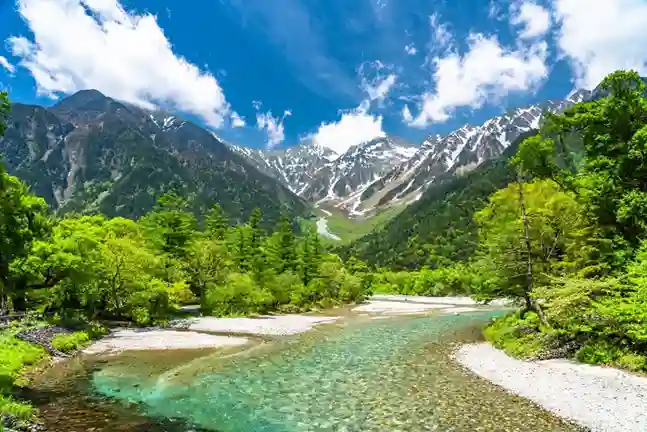
Discover Chubu, from the Japanese Alps to the Pacific coast
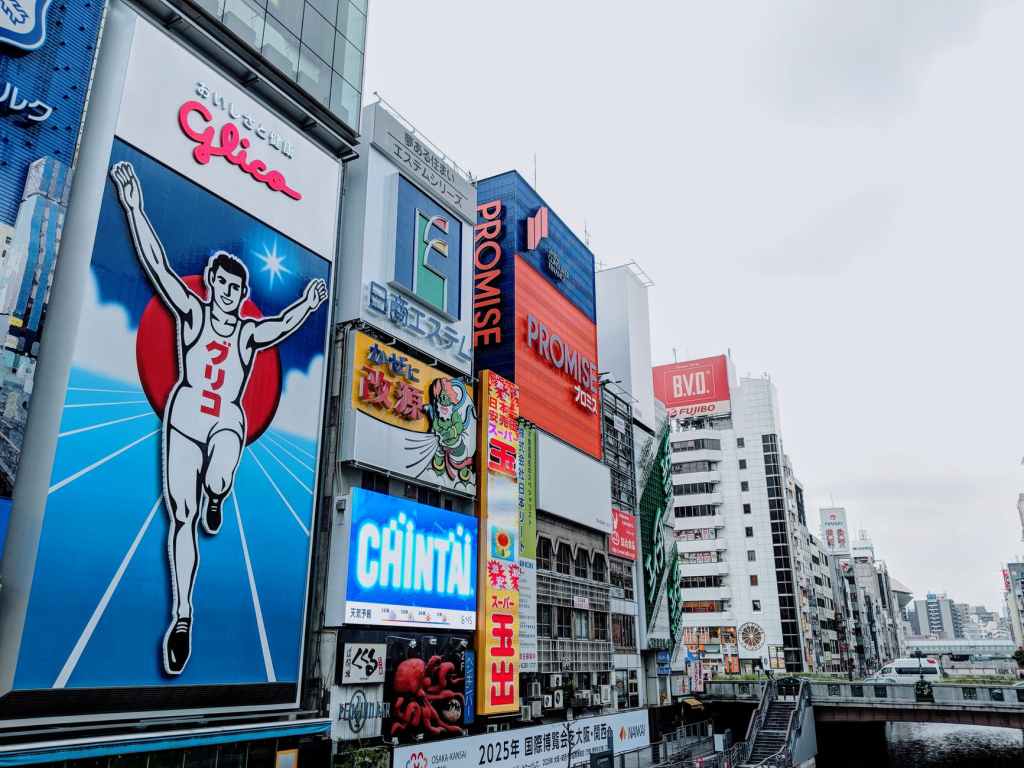
Kansai: Kyoto, Osaka and Japan’s Heritage
Once the major cities are explored, expand your itinerary to the islands of the north, south and west, where the pace slows and landscapes change at all.
The islands and western Japan: nature, spirituality and diversity
These less frequented areas offer another side of Japan: wild landscapes to the north, pilgrimages and floating shrines to the west, volcanoes and tropical beaches to the south. They are intended for travellers who have already tasted classic Japan and want to deepen their discovery.

Discover Hokkaido, nature escape between mountains, onsen and large spaces

Discover Tohoku: itineraries, practical tips and regional inspirations

Discover Chugoku: travel in the unknown west of Japan

Discover Shikoku: practical guide to explore the island at 88 temples

Kyûshû: exploring Japan differently
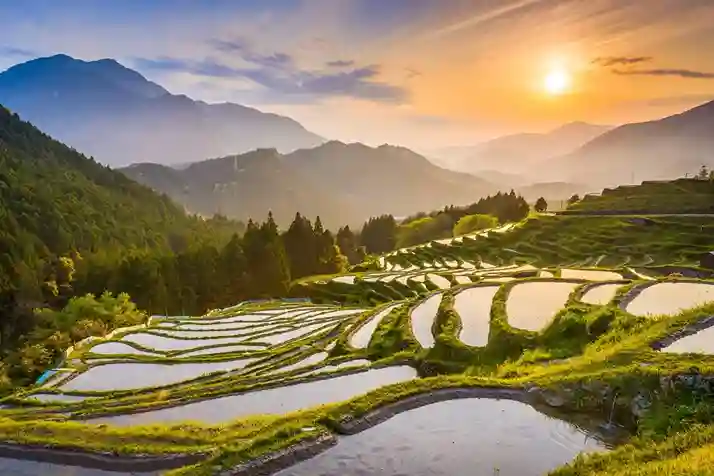
Understanding the Regions of Japan to Plan Your Trip
In short: Japan is discovered in successive layers. Use the interactive map to spot the places, then dive into regional articles depending on the season and your desires. This guide is designed to be consulted at each stage of planning.
If this article has brought you useful information and can help other travellers prepare for their stay, a Google review will always be appreciated.
Practical FAQ: preparing your trip to Japan
What is the ideal number of days for a first trip to Japan?
Count 10 to 14 days for a first trip to Japan covering Kanto and Kansai (Tokyo, Kyoto, Osaka).To add Hokkaido or Kyushu, plan 2 to 3 weeks. A 7-day stay remains possible but is usually limited to Tokyo and its immediate surroundings (Nikko, Kamakura, Hakone). After 3 weeks, you can combine 4 to 5 regions without running, including rural stages like Tohoku or Shikoku.
What is the best time to visit Japan?
The best time to visit Japan is spring (March-May) or autumn (October-November).These two seasons offer pleasant temperatures (15-22 °C) but also concentrate the highest influence: hotels in Kyoto can double prices in April. Summer (June-August) is warm and humid, with a rainy season in June-July; Hokkaido then stays cooler. Winter is ideal for Hokkaido (ski) and onsen, but not for the mountainous regions of Chubu.
What daily budget in Japan (routard / comfort)?
Count 8 000 to 15 000 yen (50-95 €) per day in backpacker budget and 20 000 to 30 000 yen (125-190 €) in mid-range.Travellers: hostel (3 000-4 500 ¥), single meals (1 000-1,500 ¥), local transportation (1 000-2 000 ¥). Mid-range: 3 star hotel, restaurants, some paid tours. Rural areas (Tohoku, Shikoku, Kyushu) are generally 20 to 30% cheaper than Tokyo or Kyoto.
How to move between the regions of Japan without ruining?
The JR National Pass (7 days: about 50,000 ¥) remains profitable if you chain Tokyo-Kyoto-Hiroshima.For a stay limited to a region, regional passes are more advantageous: JR East Pass (Tohoku) from 30,000 ¥, JR Kansai Wide Area Pass from 12,000 ¥, JR Kyushu Pass from 15,000 ¥. The long-distance buses (Willer, JR Bus) offer night trips from 4,000 to 6,000 ¥. Low-cost domestic flights (Peach, Jetstar) connect Hokkaido and Okinawa from 5,000 ¥.
What culinary specialties to taste in every region of Japan?
Each region of Japan has its essential specialities, at affordable prices (800-4,000 ¥).Hokkaido: Seafood (currants, crabs) and dairy products, count 2,000-4,000 ¥ in the restaurant. Tohoku: Kiritanpo (rice brochettes) at 800-1 200 ¥. Kanto: Monjayaki in Tokyo (1 200-1 800 ¥). Chubu: Nagano Soba (1,000-1,500 ¥) and Nagoya Miso Katsu. Kansai: takoyaki (500-800 ¥) and okonomiyaki (1,000-1,500 ¥) in Osaka. Chugoku: Hiroshima okonomiyaki (900-1,500 ¥) and oysters. Kyushu : tonkotsu ramen in Fukuoka (800-1 200 ¥). Okinawa: Ryukyu cuisine (goya champuru, 1,000-1,500 ¥).
What activities in Japan on rainy days?
Museums, aquariums and department stores are the best options in Japan on rainy days.The Tokyo National Museum (1000 ¥), TeamLab Planets (3,200 ¥), Churaumi Aquarium in Okinawa (2,180 ¥) and the Hiroshima Peace Museum (200 ¥) offer safe tours. The department stores (Daimaru, Takashimaya) and underground passageways (especially in Osaka and Tokyo) allow for further dry exploration. Onsen and ryokan are also an ideal option on rainy days, especially in mountain areas (Chubu, Tohoku).