Japanese cuisine is much more than a culinary art: it is a world of flavours, rituals and regional stories. Between traditional dishes, local drinks and unique experiences, it seduces taste buds around the world. This guide allows you to explore the richness of Japanese gastronomy, from its emblematic dishes to the ingredients that make it all authentic.
Where to eat in Japan
From the starred restaurant to the neighborhood Konbini, Japan offers a variety of places to feed on all budgets. Here are the options to know before your trip:

Japanese dishes and specialties
Japanese cuisine offers an amazing variety of dishes that reflect local history, climate and customs. Here are the essentials to taste absolutely:
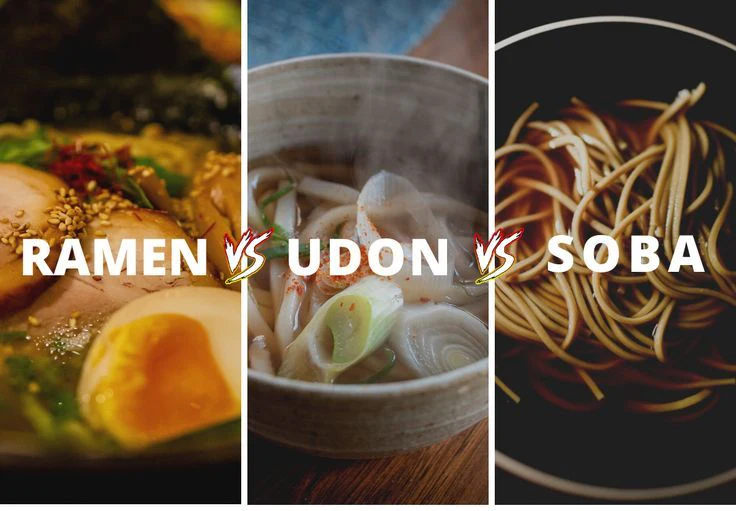
Soba, ramen and udon
Kyoto Specialties

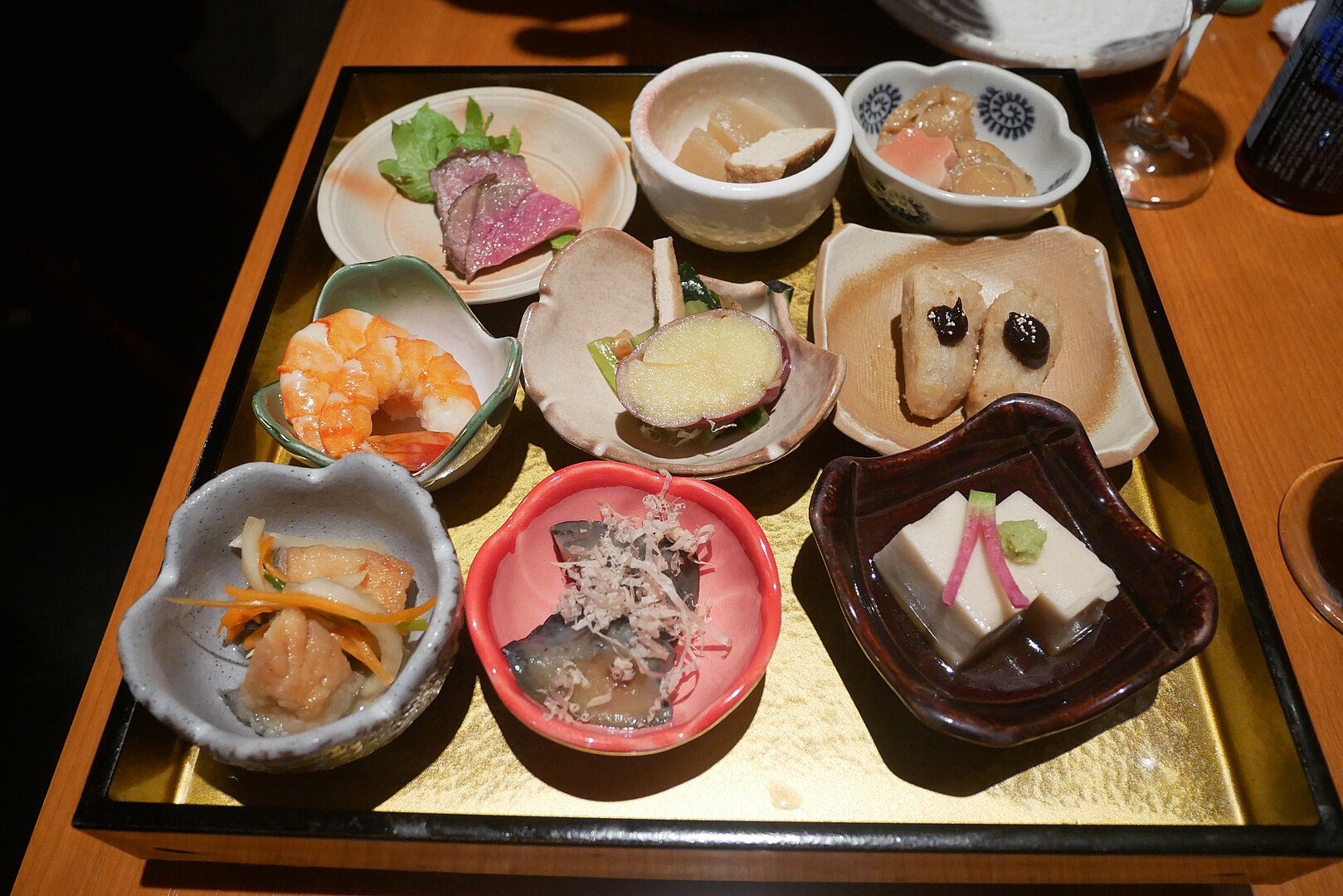
Shojin ryori and Japanese curry


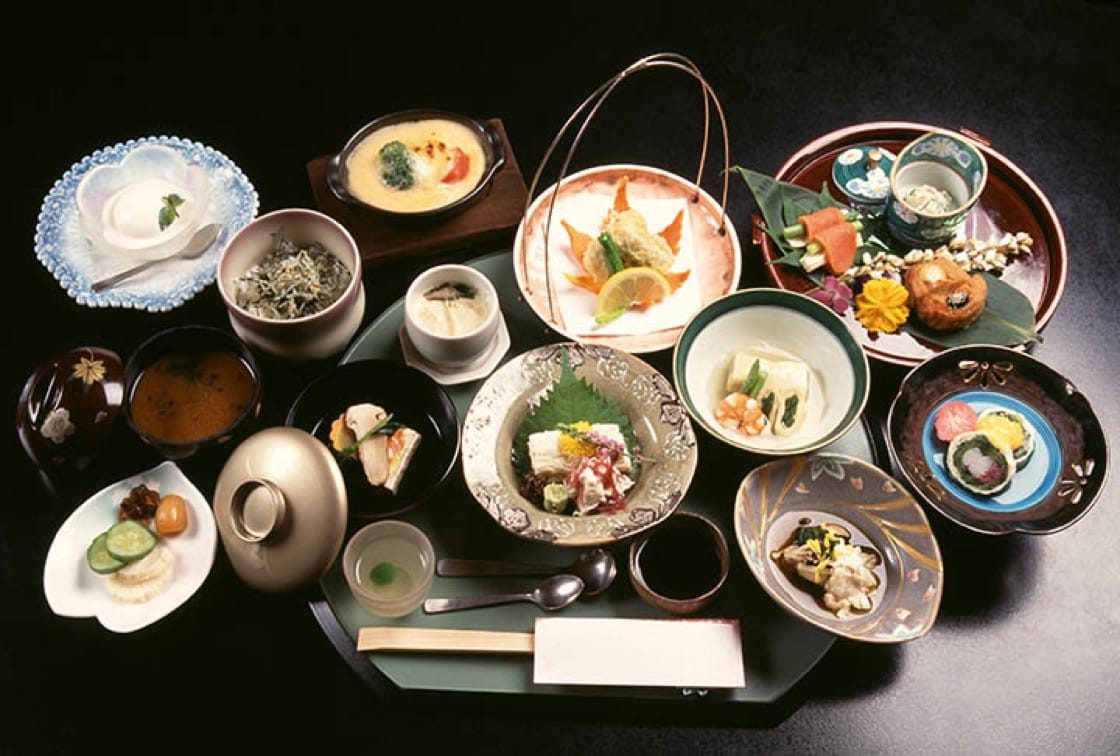
Omakase, kaiseki and nabe
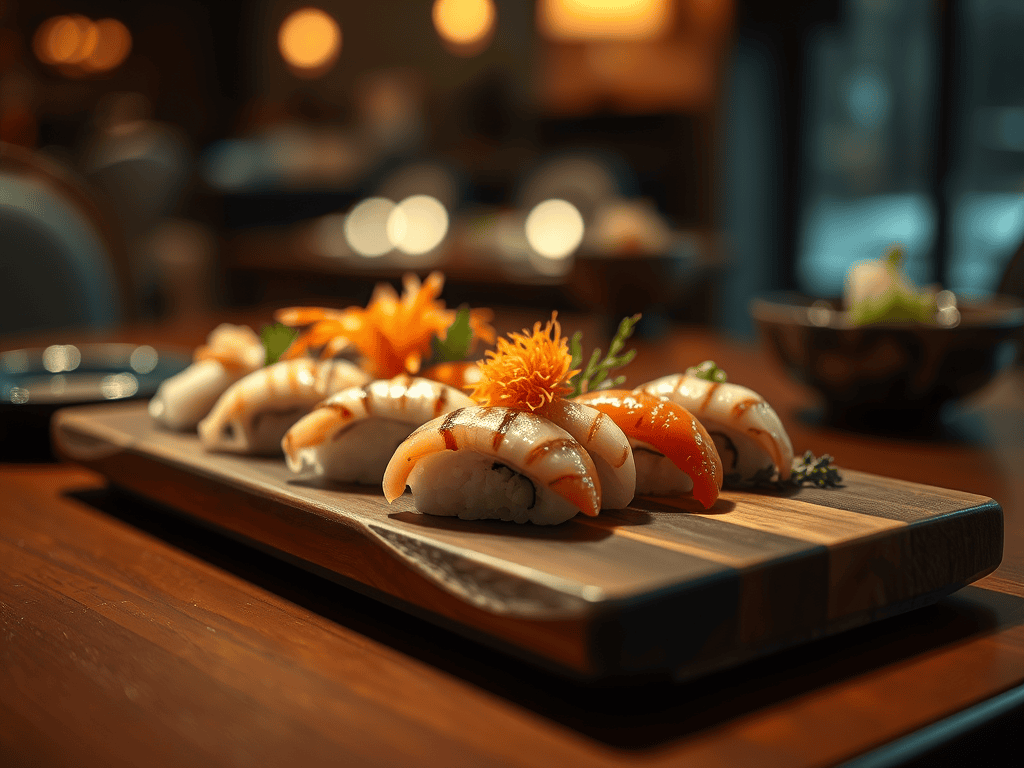
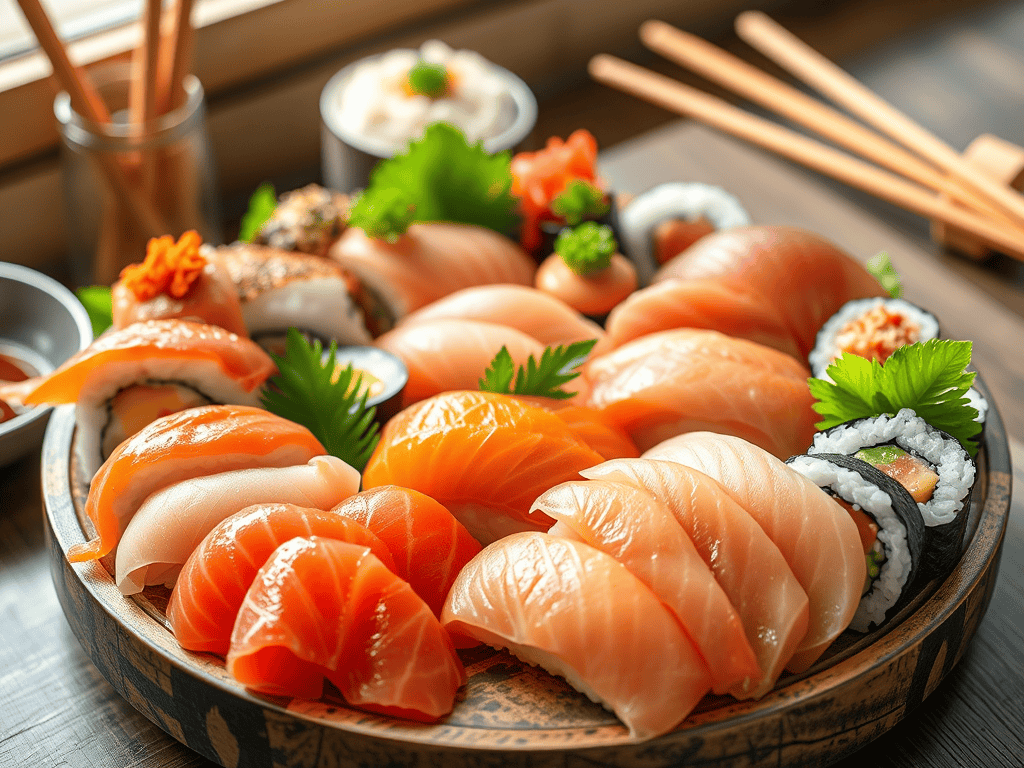
Sushi and ankimo
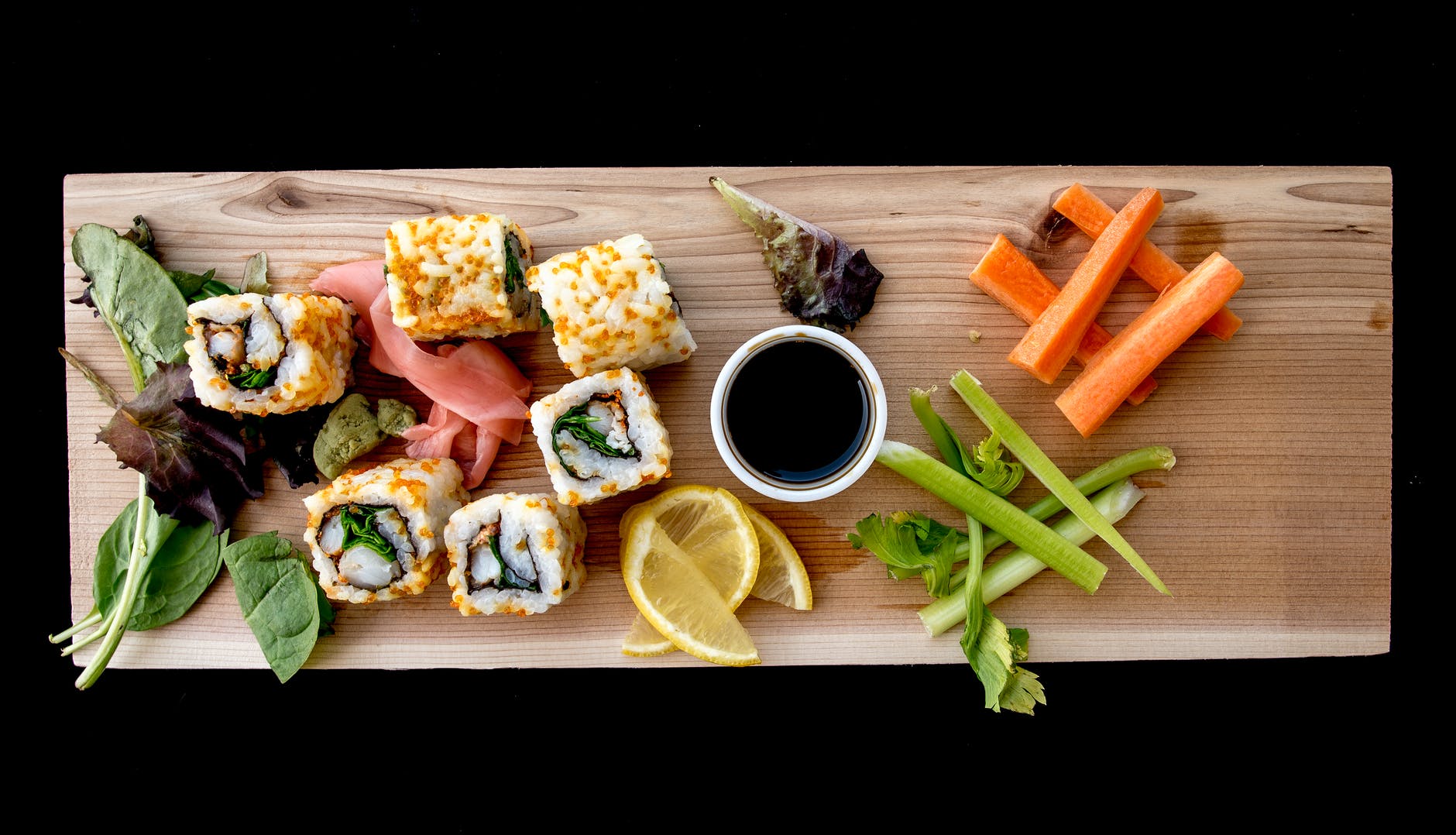
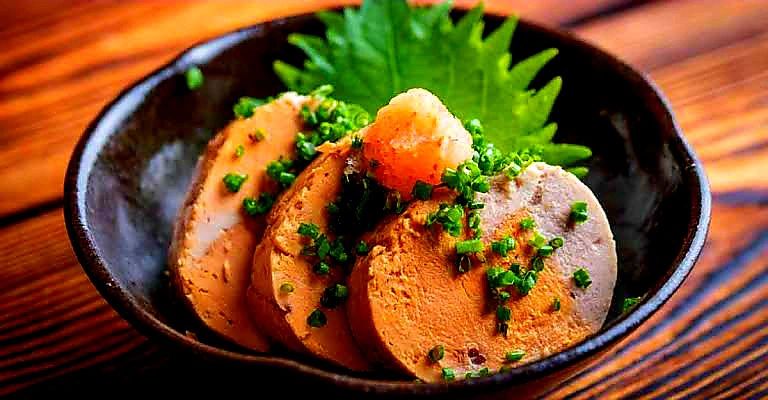
Winter dishes

Once the dishes are explored, discover the drinks that accompany Japanese gastronomy, from green tea to sake and whisky.
Japanese beverages
The richness of Japanese drinks goes well beyond the famous green tea. Here are the drinks to discover during your trip:


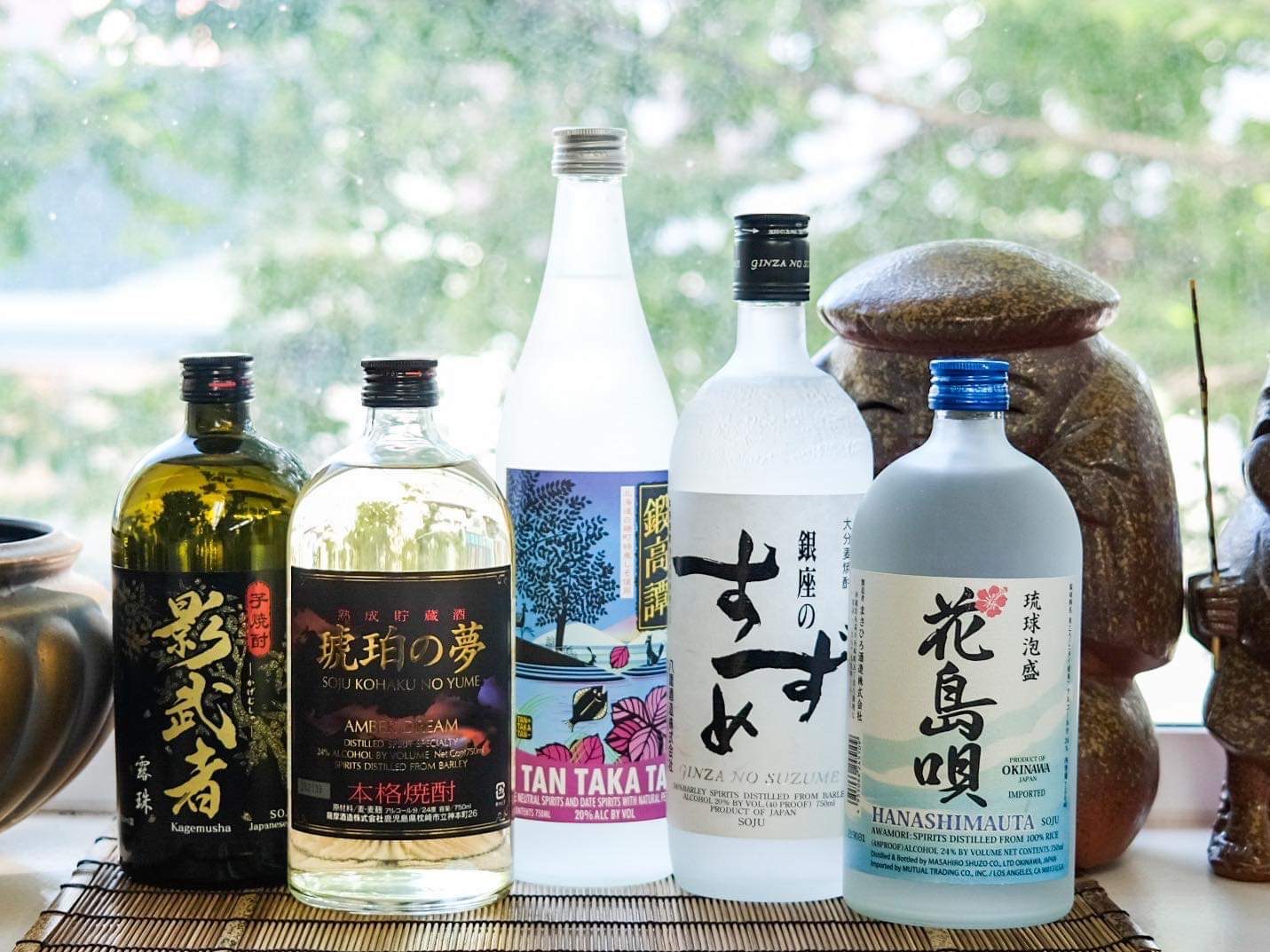
Sake (nihonshu) and shochu
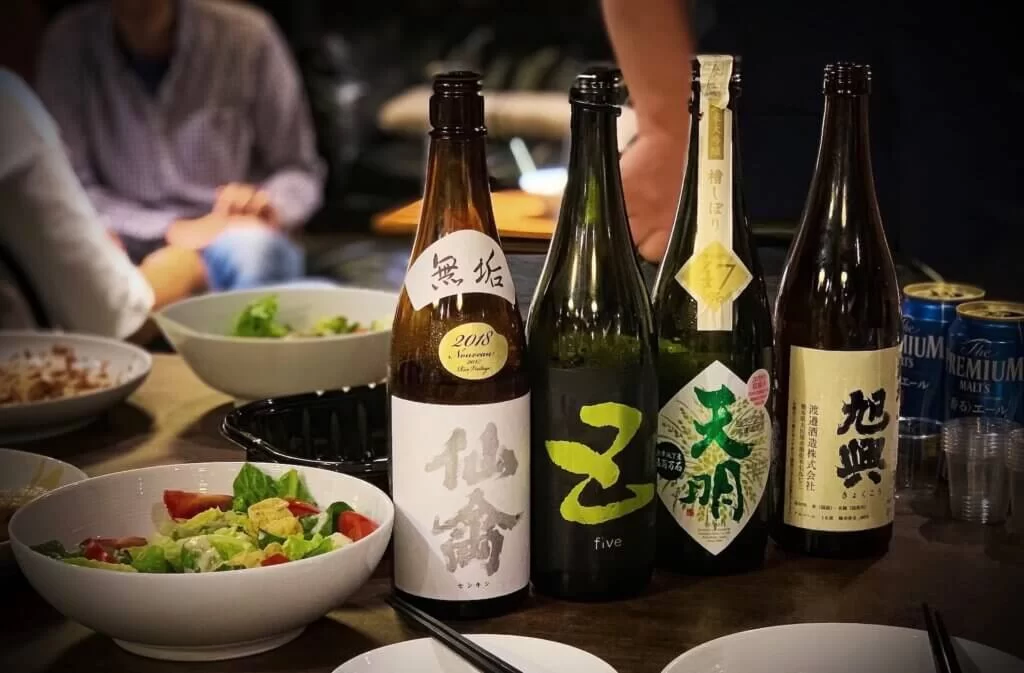
Japanese Whisky

Shochu, awamori and mirin

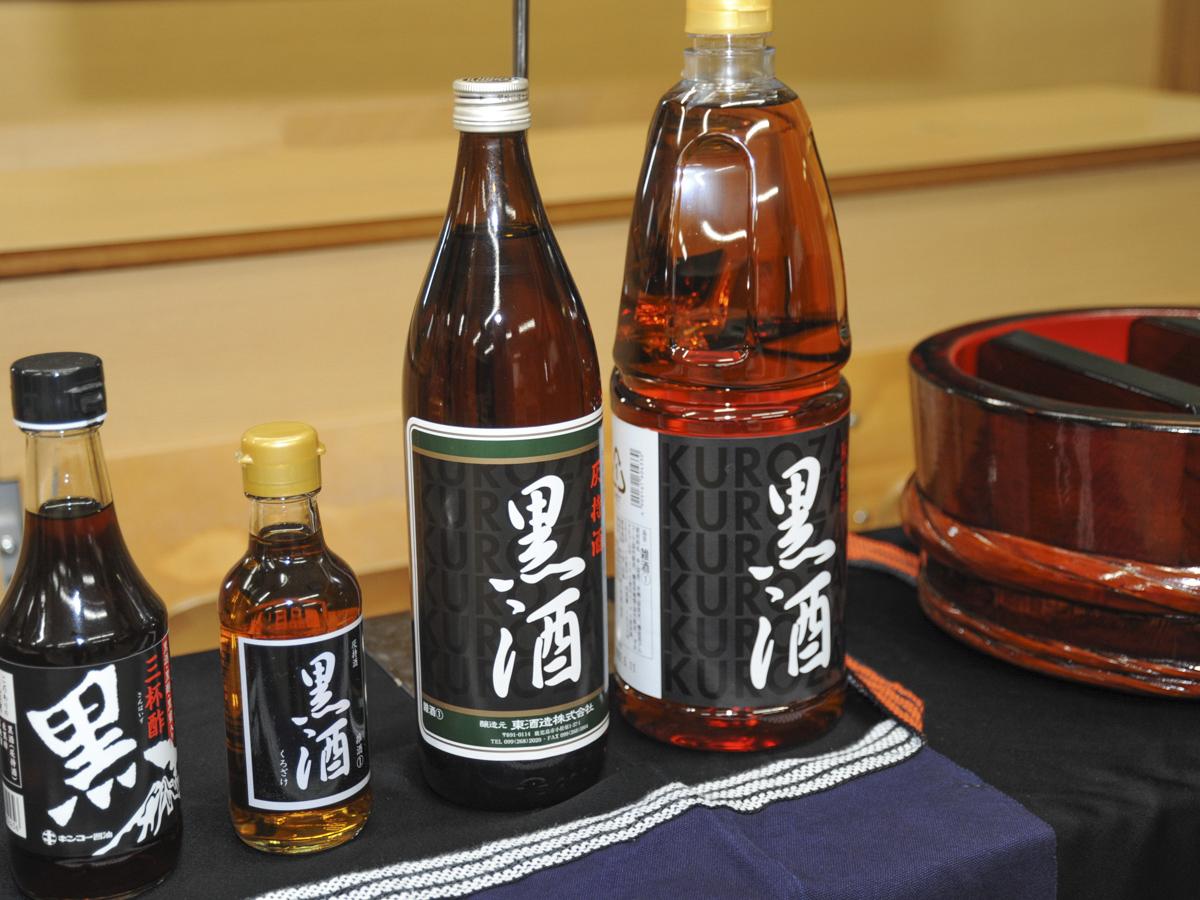
Kagoshima Kurozake
Drinks accompany every meal, but Japanese gastronomy also takes place through unique experiences. Find out now.
Japanese culinary experiences
Japanese gastronomy is as much as it tastes. Here are the experiences not to be missed during your trip:

Izakayas and chanoyu


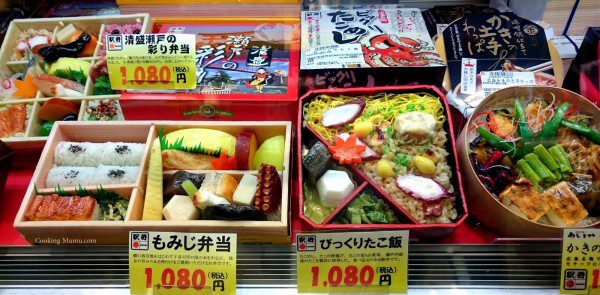
Ekiben
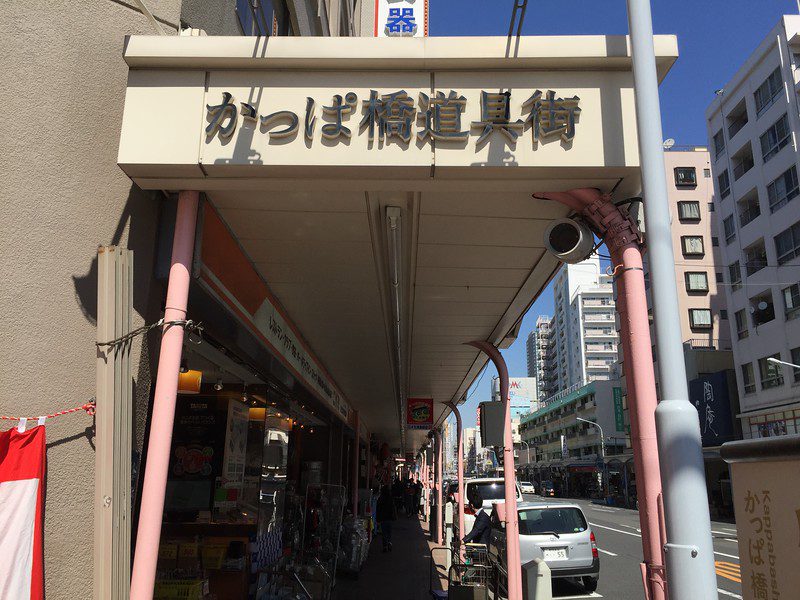
Purchase of utensils in Tokyo or Osaka

Necessary food
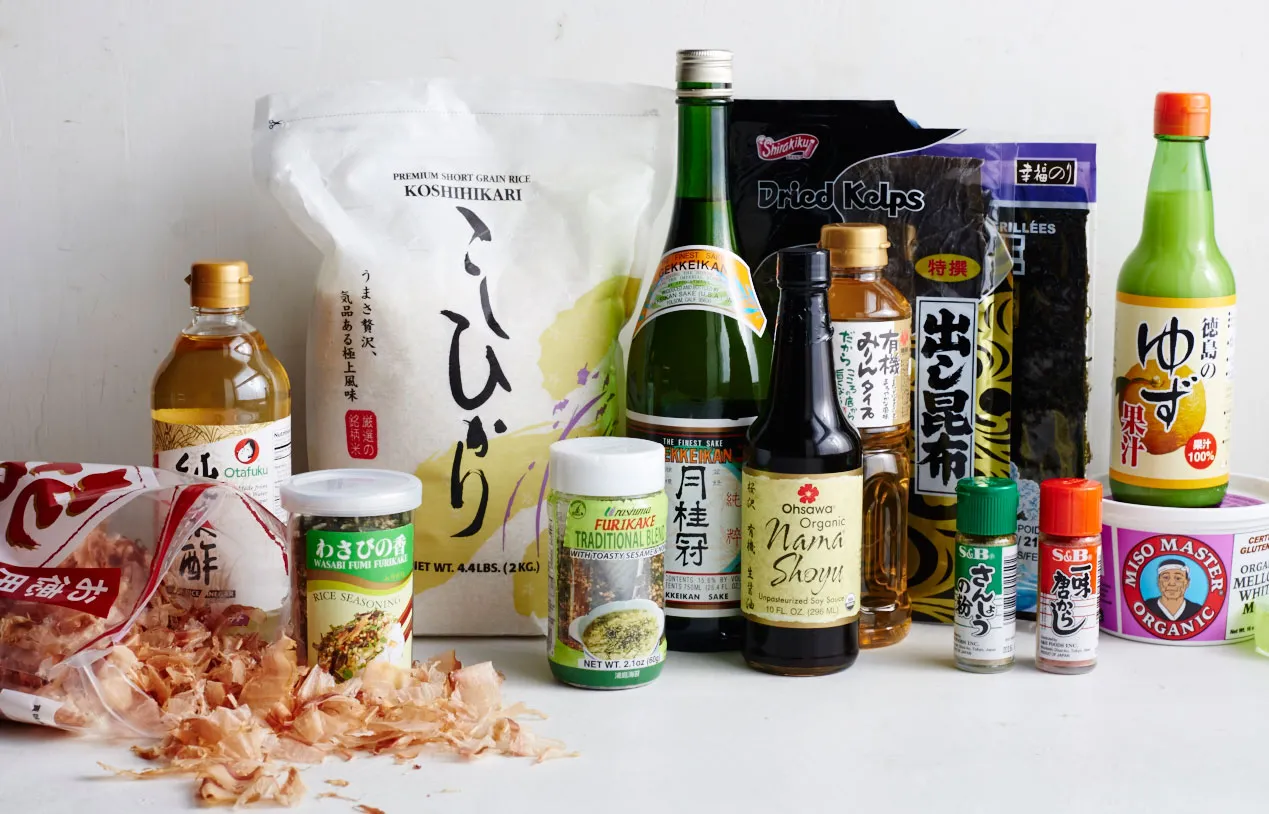
Shiso and kinako
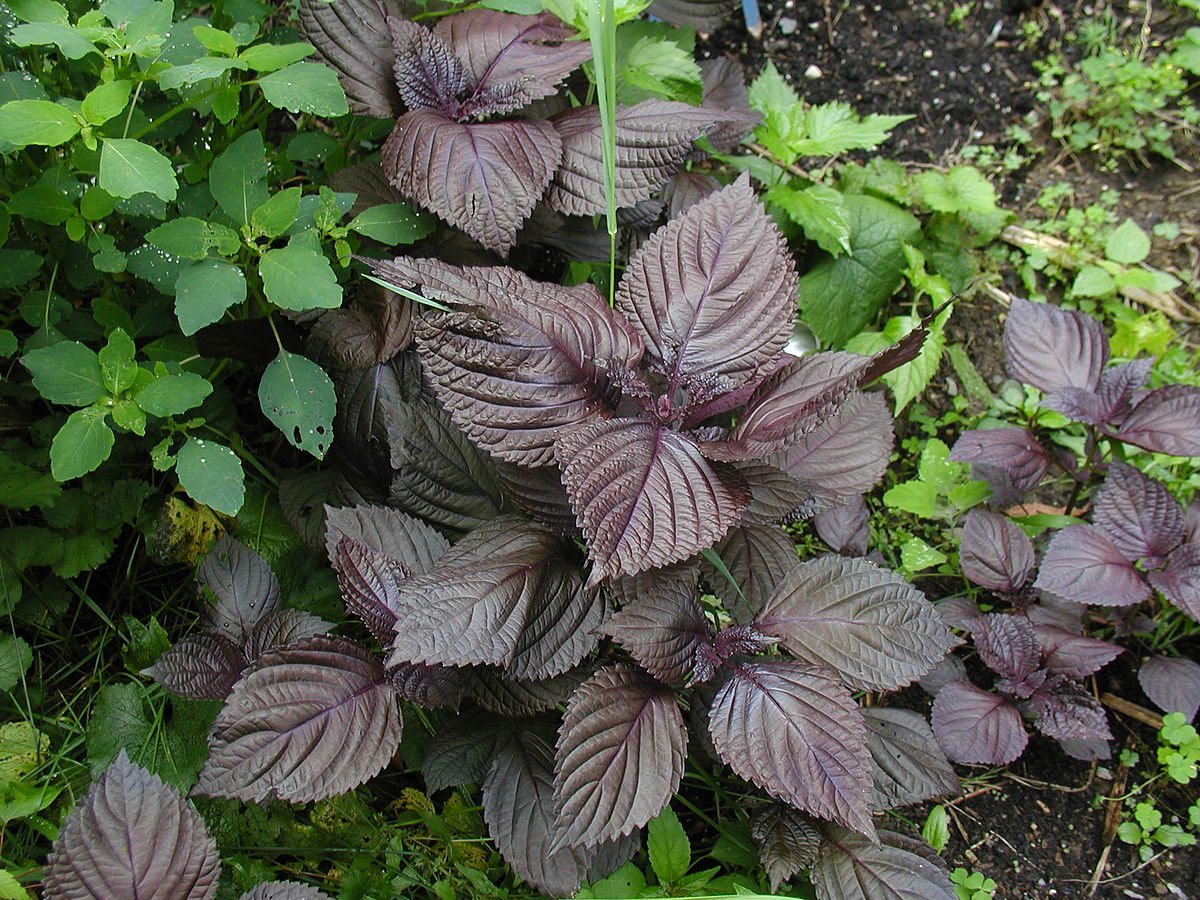
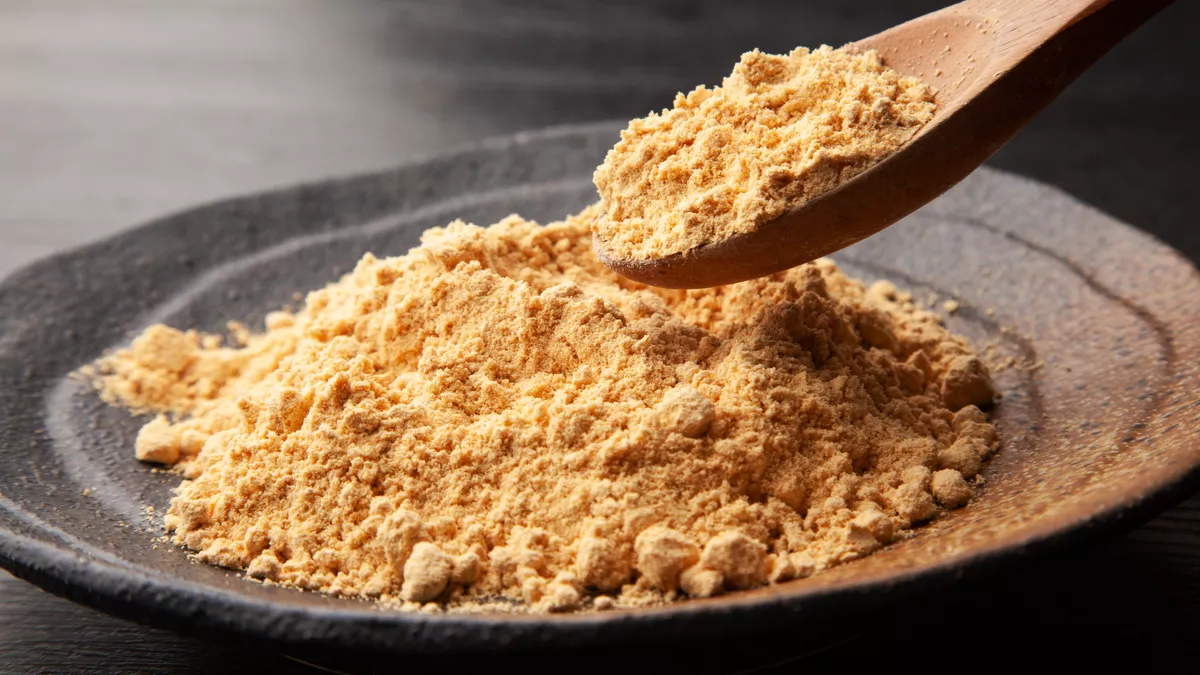
Exploring Japanese cuisine means diving into a rich sensory universe, guided by centuries-old traditions and always renewed creativity. Whether you’re curious or passionate, it offers many surprises.
If this article has brought you useful information and can help other travellers prepare for their stay, a Google review will always be appreciated.
Frequently asked questions about Japanese cuisine
What budget does it take to eat in Japan?
Count3,000 to 6,000 yen(20-40 €) per day eating in konbinis, ramen and popular restaurants. A bowl of ramen costs 800-1 200 ¥, a bento 500-800 ¥, a meal at the restaurant 1,500-3,000 ¥. In mid-range, plan8,000 to 15,000 yen(50-95 €) per day with restaurants, izakayas and some sushi. Gourmet restaurants (kaiseki, omakase) cost 10 000-30 000 ¥ per person.
What is the best time to discover Japanese cuisine?
Each season offers specialties:Spring (March-May), taste sakura mochi and takenoko (bamboo pods). Insummer (June-August), ice cream at the matcha and cold dishes like hiyashi chuka (700-1 200 ¥). InAutumn (October-November), matsutake mushrooms and kuri (châtaignes). InWinter (December-February), nabes (ground, 2,000-4,000 ¥) and crabs. The rainy season (June) is ideal for warm and comforting dishes.
How to eat vegetarian or vegan in Japan?
Theshojin ryori(Vegetable Buddhist cooking) is the best option: count 3,000-8,000 ¥ per meal in a temple. Search for restaurants with vegetarian or vegan sets (1,500-3,000 ¥). The konbinis sell onigiri to umeboshi (100-150 ¥), tofu salads and edamame. Be careful with dashi broths (often made of fish): specify “dashi nashi” (no dashi). Chains like Mos Burger and Freshness Burger have vegetarian options.
What are the rules of table politeness in Japan?
Say“itadakimasu”before eating and“gochisousama deshita”later. Never plant chopsticks in rice (a funerary ritual) and don’t pass baguette food. Slurping of noodles is accepted and shows that you appreciate it. Pour a drink to others before serving. In restaurants, tips are not practiced. Disposable rods break in two before use.
What culinary specialties do you need to taste?
Try absolutely: thesushi(2,000-5,000 ¥ for a meal),ramen(800-1 200 ¥),tempuras(1 200-2 500 ¥),okonomiyaki(1000-2 000 ¥),takoyaki(500-800 ¥ the 6),Tonkatsu(1,500-2,500 ¥),Japanese curry(800-1,500 ¥), and thewagashi(traditional pastries, 200-500 ¥). For drinks, try sake (500-1,000 ¥ a glass) and matcha tea (500-1,000 ¥).
What if I don’t speak Japanese at the restaurant?
Most tourist restaurants haveEnglish menus with photos. Use Google Translation with the camera to read the menus. ATMs (for ramen in particular) allow you to order without talking. Learn a few sentences: “sumimasen” (excuse me), “oishii” (delicious), “okaikei onegaishimasu” (addition please). Konbinis and food chains (Yoshinoya, Sukiya) are easy to access without Japanese.
Discover more from Evasions Rebelles - Travel Planner Japon
Subscribe to get the latest posts sent to your email.