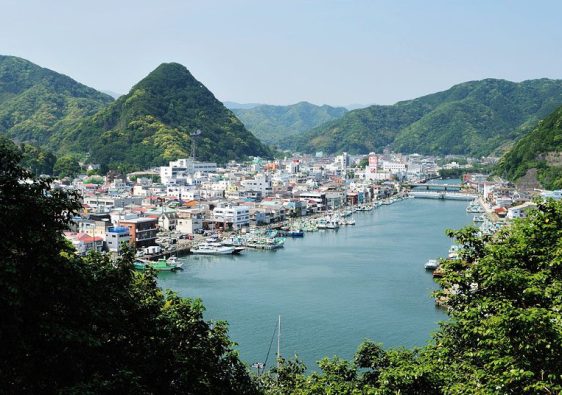
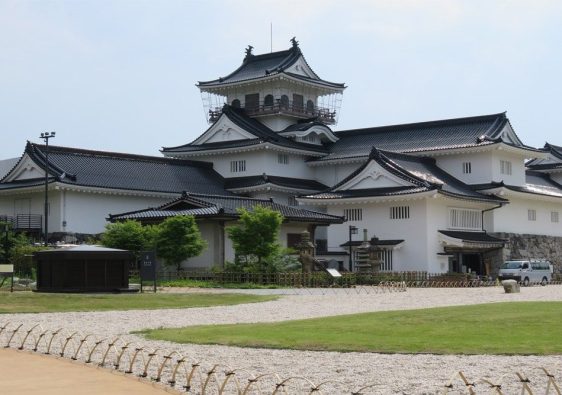
Located in Ishikawa Prefecture, south of Kanazawa, the city of Hakusan is still a discreet destination that seduces lovers of hiking, alpine landscapes, thermal springs and Japanese culture rooted in religious and rural history. Less frequented than other parts of Japan, it offers privileged access to Mount Hakusan, one of the country’s three most sacred peaks, and offers a variety of experiences to those who take the time to discover it.

Presentation by Hakusan
Hakusan extends from coastal urban areas bordering the Japanese Sea to steep inland mountains. This particular geographical configuration makes it possible to observe a marked natural transition between dense human activity and a protected mountain environment, rich in forests, gorges and rivers.
The name of the city comes from Mount Hakusan, a sleeping volcano culminating at 2702 meters above sea level. Ranked as a national park, this massif attracts hikers in summer and autumn, when trails are clear of snow and maples are associated with brightly coloured slopes.

Hiking at Mount Hakusan
Mount Hakusan is considered one of the sacred peaks of Japan, alongside Mount Fuji and Mount Tateyama. For experienced hikers, climbing the summit is a key objective. The most popular trail is from the Bettodeai Trailhead. The round trip to the top takes between 8 and 10 hours depending on the pace and weather conditions.
A one-day climb is feasible provided you leave early. However, due to the low number of buses serving the departure of the trail, the use of a rental car is highly recommended to avoid missing the last return transport.
For those who prefer a quieter approach, the region also has shorter trails leading to views of the surrounding valleys or hidden waterfalls.

Shiramine Onsen: an ideal base
Located not far from hiking routes, the village of Shiramine Onsen is an excellent starting point for exploring the region. This thermal village offers accommodation of type ryokan or minshuku, often with baths fed directly by local hot springs.
The atmosphere is peaceful, and baths are known to relieve muscle pain after a day of effort. There are also establishments accessible to visiting visitors, without accommodation requirements.
The Hakusan Shirakawago White Road
Formerly called Hakusan Super Rindo, this 33.3-kilometre stretch of road connects the town of Hakusan to Shirakawa-go, famous for its traditional houses with thatched roof. The road winds through the mountains and peaks at more than 1,400 meters above sea level.
The access is paid for (peage) but justified by the many panoramic views, the secondary trails accessible on foot, and the waterfalls that mark the course. The road is generally open from June to November, according to snow conditions.
Shirayamahime Jinja: Spirituality and Heritage
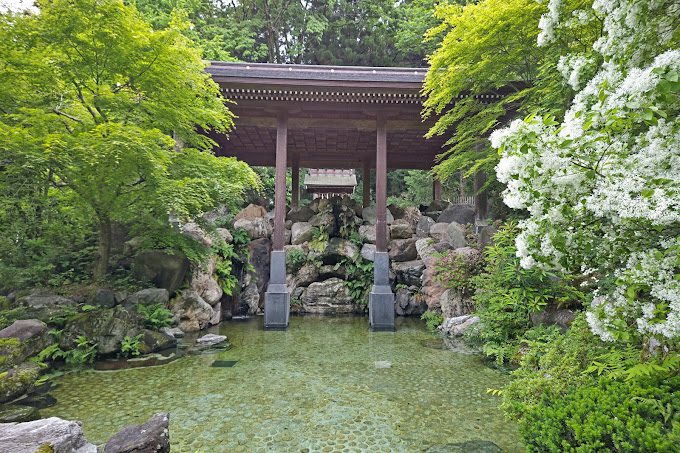
Considered the main shrine dedicated to Mount Hakusan, Shirayamahime-jinja has been one of the major places of worship in the region since Edo’s time. It is nestled in the heart of the forest, and its sober architecture reflects the seniority and sanctity of the place.
The faithful come there to pray for the fertility of the crops, the safety during hikes in the mountains, or to express their respect to the deity of the mountain. The sanctuary is often included in local cultural circuits, with explanations of its historical links with Buddhism and Shintoism.
Ishikawa Insect Museum
Close to Tsurugi Station, the Ishikawa Insect Museum is an original stopover, especially for families. It houses exhibitions on Japanese and global entomological diversity, with live specimens in a vivarium and a butterfly garden.
The museum also offers workshops for children, and information on the ecological role of insects in the Hakusan mountains. It is open all year round, with hours varying according to the seasons.
Shishiku Highland : nature and leisure
Perched above the city, the Shishiku Highland plateau is a relaxing and leisure area with seasonal activities such as paragliding, walking or picnics with views. In clear weather, you can see the Sea of Japan on one side and the peaks of the National Park on the other.
Access can be via a mountain road or cable car from the lower town. Restaurants, small cafes and rest areas allow you to enjoy the landscape.
Access and transport
Hakusan is served by the Hokuriku railway line to Tsurugi railway station. Travel from this station is mainly by bus, taxi or rental car. Bus lines are uncommon, especially to mountainous areas such as Shiramine or the start of the Mount Hakusan hiking trail.
For a stay including hiking, cultural tours and panoramic roads, renting a vehicle is highly recommended. This allows for greater flexibility, especially for travel to isolated sites and rural accommodation.
Practical information
Before visiting the various Hakusan sites, it is recommended to check opening times and entry fees. For example, the insect museum and thermal facilities have specific hours, and some close one fixed day per week.
In winter season, access to certain areas may be restricted or prohibited due to snow. Local tourist offices, available at the station or online, provide up-to-date brochures and detailed maps of trails.
Hakusan seduces by its diversity: sacred peaks, peaceful onsen, panoramic roads and local culture form a harmonious ensemble. For curious travellers, this city is a rich and accessible stage from Kanazawa, far from the usual tourist routes.
If this article has brought you useful information and can help other travellers prepare for their stay, a Google review will always be appreciated. |
|
Discover more from Evasions Rebelles - Travel Planner Japon
Subscribe to get the latest posts sent to your email.