Perched on the sacred island of Miyajima, at the foot of Mount Misen, the Daishō-in temple often remains in the shadow of the iconic shrine of Itsukushima. Yet this Buddhist complex, one of the oldest in the Chūgoku region, is an essential step for anyone interested in spiritual Japan, pilgrimage paths and sacred architecture. Less frequented than the great tourist sites of the island, the Daishō-in offers a peaceful and immersive experience in the heart of Shingon Buddhism.
Understanding the role of Daishō-in in the history of Miyajima
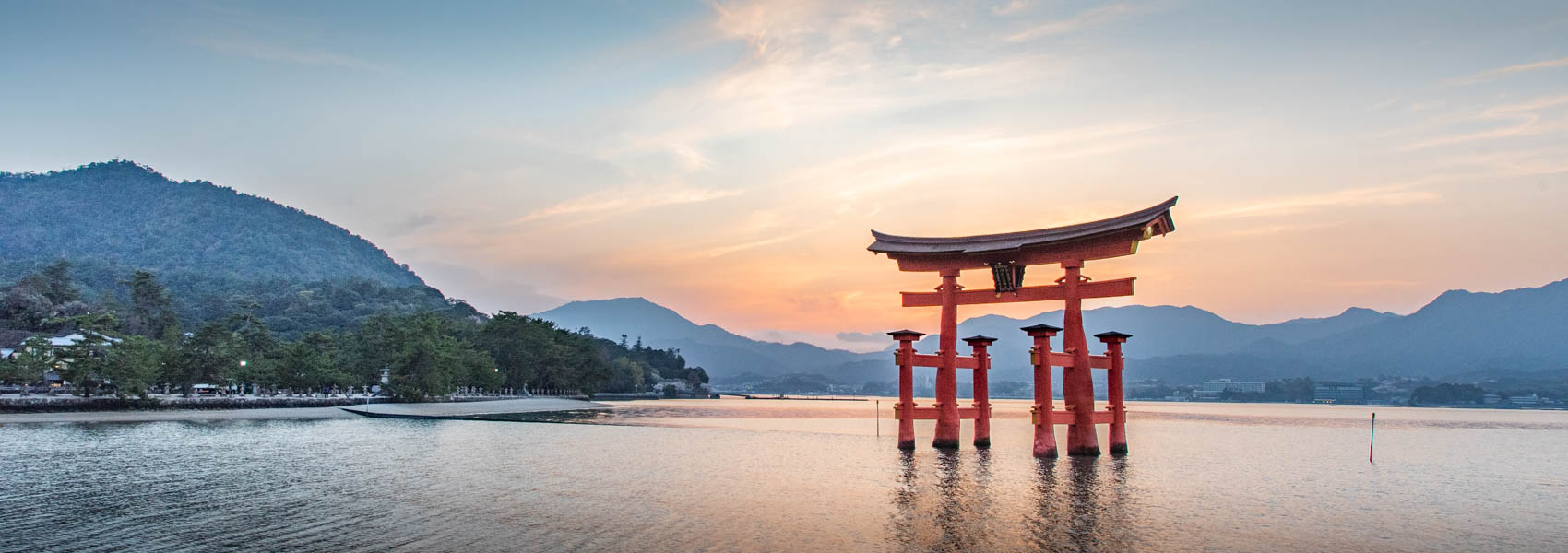
Founded in 806 by monk Kūkai (more known as Kōbō Daishi), the Daishō-in is intimately linked to the spread of Shingon esoteric Buddhism in Japan. Before the Shinto shrine in Itsuushima became the emblematic figure of the island, the Daishō-in was the main place of worship of Miyajima. It was not until the twelfth century, under the influence of Taira no Kiyomori, that the balance was reversed in favour of the sanctuary.
For centuries, however, the Daishō-in was a major religious centre. Women were even forbidden to climb Mount Misen, but they could pray at Daishō-in. Even today, the temple retains this aura of deep spirituality, nourished by more than a thousand years of practice.
Rich and varied architecture at the foot of Mount Misen
The Daishō-in complex spreads on several levels, backed by the mountain. From the entrance, the Niōmon (door of the two guardian kings) announces the importance of the place. The main path leads to different pavilions, halls and secondary shrines, each having its own ritual or symbolic function.
Among the buildings not to be missed:
- The Daishi-dō: central pavilion dedicated to Kōbō Daishi, founder of Shingon sect. It is often here that visitors lay offerings or recite sutras.
- The ManidenThis main wooden hall, perched on stilts, offers an unobstructed view of the interior sea of Seto. It is surrounded by maple trees blazing in autumn, creating a striking contrast with the sobriety of the building.
- Henjyokutsu Cave: a semi-underground room lighted weakly by hanging lanterns. It houses 88 small statues representing the temples of the Shikoku pilgrimage. The atmosphere is particularly mystical.
The 500 Rakan: a fascinating gallery of faces
One of the most significant elements of the Daishō-in is probably the road bordered byRakan statues(disciples of Buddha). These hundreds of small stone figures, each with a knitted hat, are all different. Some smile, others meditate or hold ritual objects. This abundance of faces and expressions gives life to the path that winds towards the temple, and invites contemplation.
The interest of these statues lies not only in their variety. They also recall the richness of the Japanese Buddhist pantheon, where each figure represents an aspect of teaching or practice.
A peaceful stop away from the crowd
While the vast majority of Miyajima visitors go directly to the Shrine of Itsukushima or take the cable car for Mount Misen, the Daishō-in remains relative to the distance. This relative discretion allows the site to maintain a serene atmosphere. The Buddhist songs broadcast in sound background, the incense floating in the air, the small prayer mills aligned on the stairs: everything contributes to a unique sensory immersion.
The site is large, but arranged in a fluid way, even in high season.
Access and practical information
The Daishō-in is within a 15-minute walk from the port of Miyajima. The path passes through the shrine of Itsukushima, along the coast and goes up slightly to the foothills of Mount Misen.
The entrance is free and the temple is open every day. Schedules may vary slightly depending on the season, but the site is generally accessible from 8am to 5pm. It is not uncommon to attend services or ceremonies, especially in Maniden. A respectful outfit and silent behaviour are therefore appropriate.
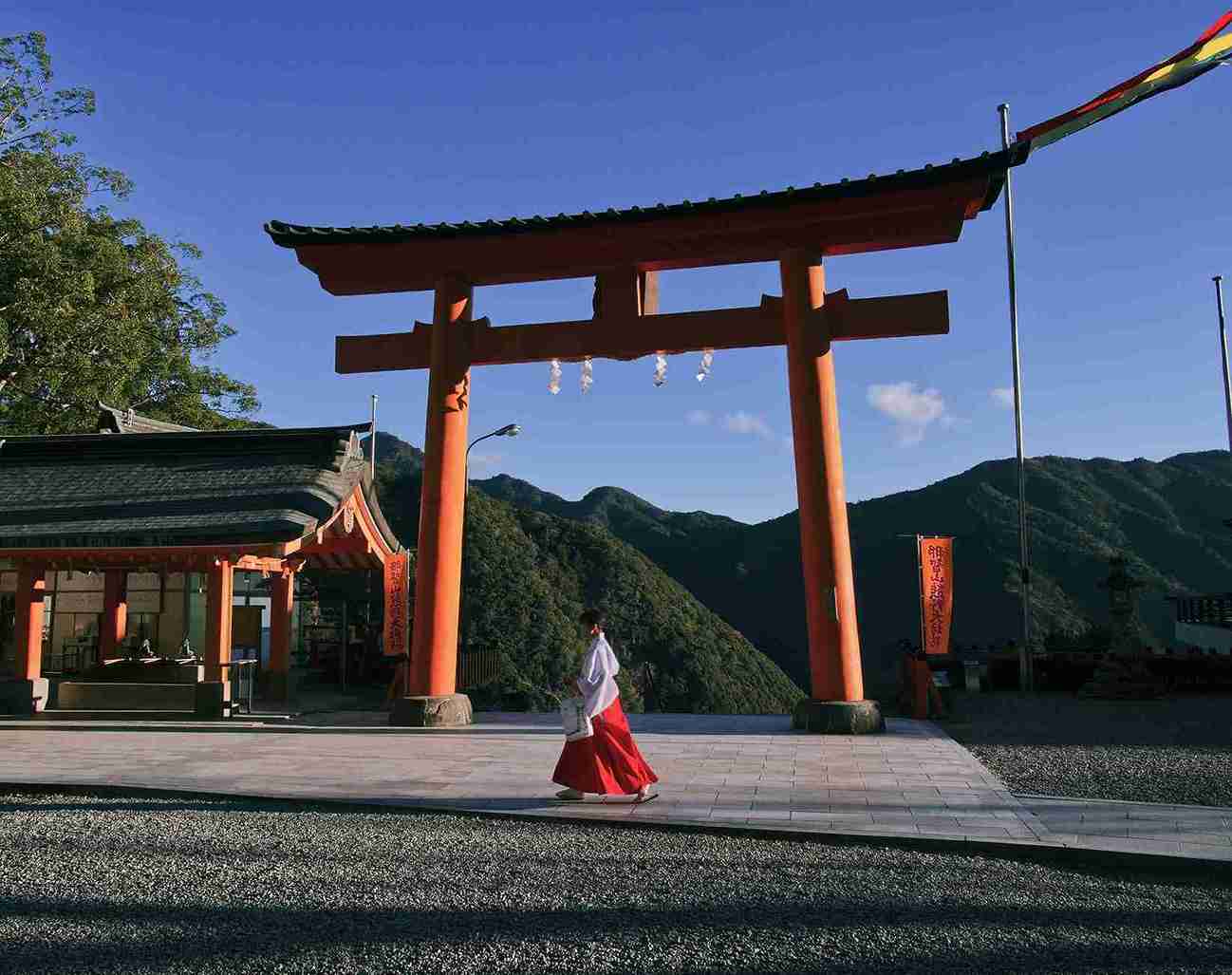
When to visit the Daishō-in
Each season offers a different face from the temple:
- Spring, the cherry trees of the site add a touch of softness to the dark wood buildings.
- Summer, the lush vegetation surrounds the pavilions in a green setting.
- Autumn, with its red maples, is probably the most spectacular period.
- Winter, the snow that covers the roofs and statues gives the site a sanctuaries look frozen in time.
If you are planning a hike to Mount Misen, the Daishō-in can be integrated into the departure or return of your itinerary, especially if you take the Daishō-in trail, known for its views and tranquility.
A place for lovers of spirituality and culture
Daishō-in is not just a temple for practitioners. It is also a place of cultural discovery for travellers seeking meaning or serenity. Its architecture, iconography and geographical location make it a perfect example of harmony between religion, nature and Japanese aesthetics.
It is also an excellent opportunity to approach the codes of Shingon Buddhism, an esoteric branch not represented in classical circuits. The prayer mills that are rotated up stairs, protective statues, secondary altars scattered in the wood: each element has a function, each detail a meaning.
While Miyajima is often associated with its floating sanctuary, the Daishō-in is amply worth the time to discover. Less touristic, more introspective, it offers an authentic dive into spiritual Japan. A precious stopover for those who want to live something other than a simple tourist point of interest, and get into the sacred dimension of the journey.
If this article has brought you useful information and can help other travellers prepare for their stay, a Google review will always be appreciated. |
|
Discover more from Evasions Rebelles - Travel Planner Japon
Subscribe to get the latest posts sent to your email.