Shimanami Kaido, a spectacular 70-kilometre road connecting the cities of Onomichi, Hiroshima Prefecture, Imabari, Prefecture of Ehime, is a must-see for bike lovers and landscape enthusiasts. Crossing impressive bridges and picturesque islands, it offers a unique experience combining nature, culture and local gastronomy. Here’s all you need to know to plan this memorable adventure.Bicycle rental, cultural stages, culinary specialties and practical tips: this guide brings together the essentials to successfully cross the islands of the inland sea of Seto.
Bicycle rental
One of the highlights of the Shimanami Kaido is the ease with which cyclists, whether beginners or experienced, can embark on this course. Many bike rental centres are distributed along the route, offering a wide variety of models adapted to all needs.
Popular departure points include Sunrise Itoyama Bicycle Rental Station in Imabari and Green Cycle Rental Terminal in Onomichi. You will find standard bikes, electric bikes for those who want some help on the slopes, and even tandems. Prices are affordable, with a daily rental starting around 1,000 yen. A refundable deposit is often requested, but it can be used to cover expenses if you complete your trip to another station.
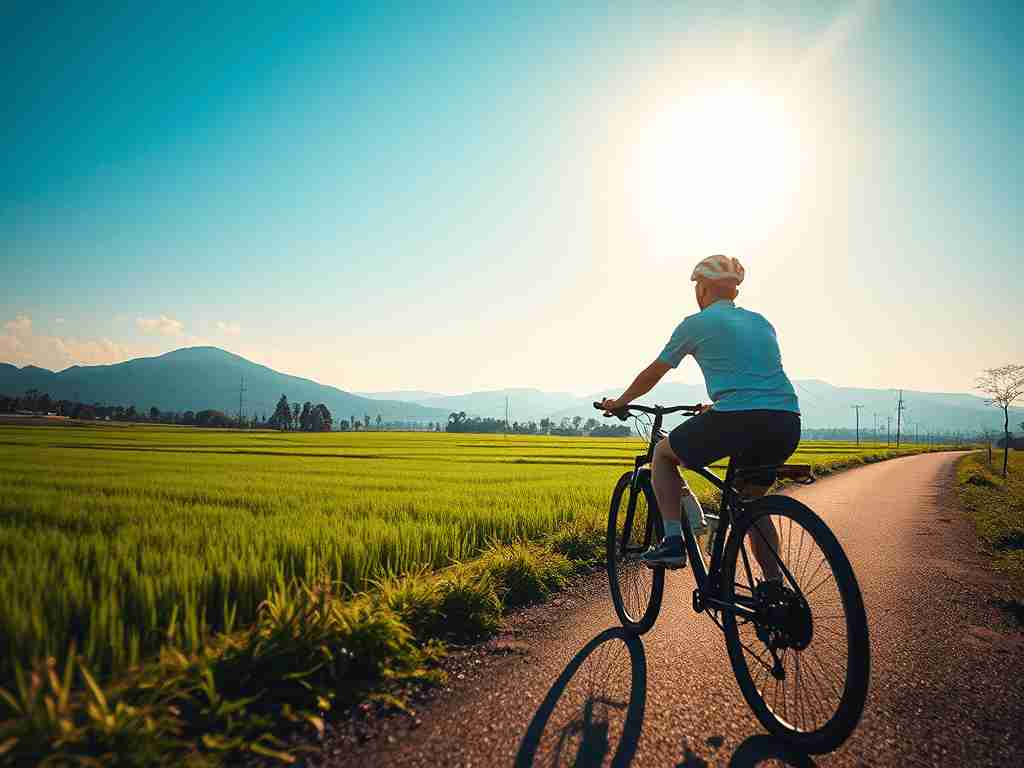
Japan by bike: a unique and immersive experience
It is advisable to book your bike in advance, especially during high season periods such as spring and autumn, when the road is particularly popular due to cherry blossoms or red maple leaves.
Unmissable visits on the way
The Shimanami Kaido is not just about its magnificent cycle route. Each island crossing offers enriching stops that add a cultural and historical dimension to your trip.
Imabari
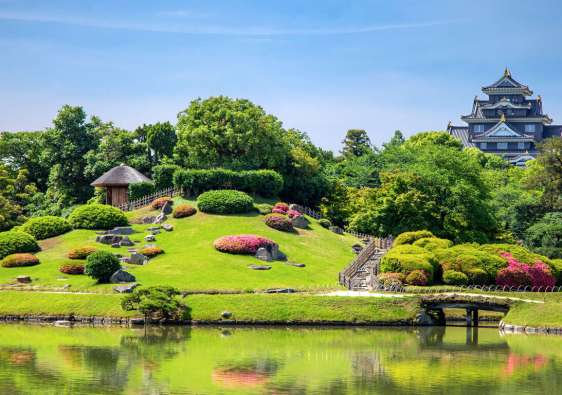
Start or end your trip to Imabari, famous for its castle surrounded by water, the castle of Imabari. This historic site allows you to discover the unique architecture of Japanese castles. Imabari is also known for its production of high quality towels, a unique and typically Japanese souvenir.
Omishima
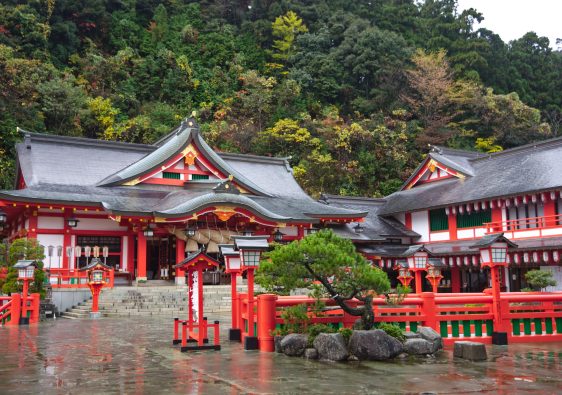
This island is a real treasure for art and culture lovers. The Oyamazumi Shrine, dedicated to the protective gods of sailors, is a fascinating historical site, rich in ancient armory objects. The island also houses the Tokoro Art Museum, where you can admire contemporary works in a soothing natural setting.
Ikuchijima
Ikuchijima is famous for its Kosanji temple, often nicknamed the “Little Nikko” because of its spectacular ornaments. Don’t miss Miraishin hill no Oka, an impressive artistic space entirely made of white marble. Relaxation lovers will also enjoy the island’s quiet beaches.
Innoshima
This island is an excellent place to explore the roots of pirate culture in Japan, with the museum of Suigun, the famous pirates of the inland sea of Seto. You will learn the fascinating story of these intrepid sailors.
Onomichi
At the other end of the Shimanami Kaido, the city of Onomichi seduces with its narrow alleyways, picturesque temples and retro atmosphere. The temple walk and panoramic views from Senkoji Park are essential.
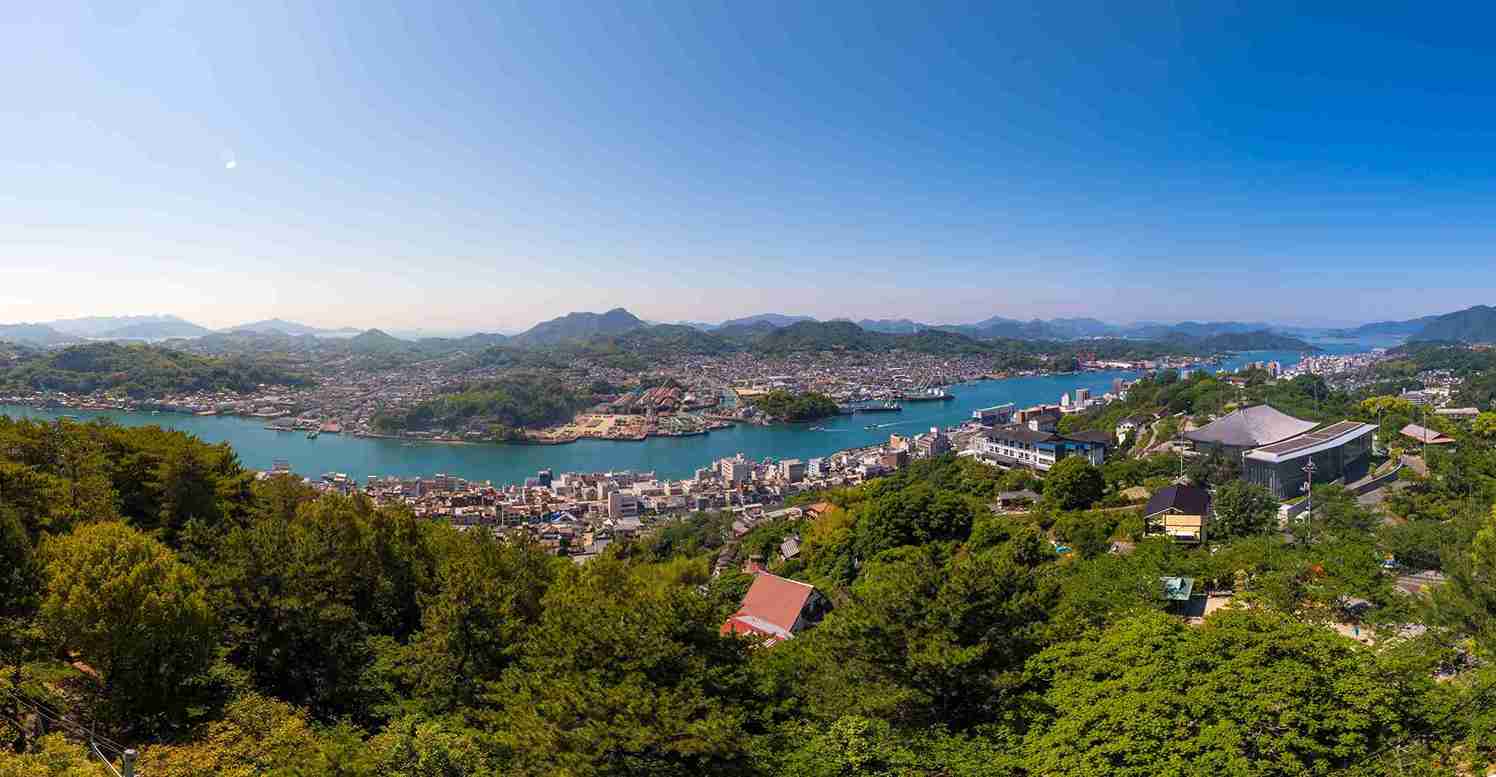
Onomichi: between history, nature and gastronomy
After the effort, comfort: Shimanami Kaido is also a culinary destination, with local specialities that are worth the detour.
The specialties to taste on the way
Shimanami Kaido is also a culinary destination. Each island offers unique local specialities that will delight your taste buds and give you the energy to continue your journey.
Citrus fruit
Seto’s inner sea region is famous for its citrus fruits, and especially for its lemons from Omishima. You will find refreshing desserts such as lemon ice creams, pies or even lemon-infused drinks. These products, often made locally, are perfect for a sweet break.
Seafood
Seafoods are in the spotlight. Grilled oysters, fresh sashimi and local fish tempuras are absolutely to be enjoyed. In some inns or roadside restaurants, specialties such as tai-meshi (fish rice) offer an authentic culinary experience.
Salt ice
Particularly famous on Ikuchijima, salt ice cream is an intriguing and delicious specialty. Its subtle flavor perfectly balances the sweet and salty, offering a refreshing sensation ideal on warm days.
Udon noodles
The prefecture of Ehime is known for its thick and mellow udon noodles. Local restaurants often offer unique versions with fresh vegetables and tasty broths.
Japanese pastries
On the way, stop in the traditional cafes to taste the wagashi (Japanese pastries) served with green tea. These sweets, often made from red bean paste or mochi, are ideal for a gourmet break.
Preparing for adventure
To fully enjoy the Shimanami Kaido, it is important to prepare well. Choose a suitable time, such as spring or autumn, to avoid heavy heat or heavy summer rain. Be sure to wear comfortable clothing and provide sun protection.
Cyclists can decide to travel all 70 kilometres in a day or take their time by stopping in accommodation along the way. Inns, hotels and minshuku (guest houses) offer a variety of options to spend the night.
Finally, do not forget to check the ferry schedules connecting some islands, as they may be useful for shortening your trip or exploring additional places.
A constantly changing practice
Cyclotourism on the Shimanami Kaido is growing rapidly: new bike paths are being established, local tourist offices are publishing dedicated maps, and electric bike rentals are increasing, including in rural areas.
An invitation to cultural discovery
Cycling is not only a means of transport: it is a way to slow down, meet the inhabitants, stop in a small restaurant or improvised onsen. Each journey tells a story, that of a region and its inhabitants.
The Shimanami Kaido is not only a bike route, it is an invitation to discover Japan differently. Between grandiose landscapes, cultural discoveries and gourmet pleasures, every kilometre is an adventure. Whether you are an experienced cyclist or a curious traveller, this crossing of the islands of the inland sea of Seto will remain engraved in your memory as one of the most enriching experiences of your trip to Japan.
Download the Shimanami Kaido guide
To prepare for your journey, we have gathered the essentials in a PDF guide: route map, rental points, cultural stages and good addresses. Download it for free before you leave.
FAQ — Shimanami Kaido
How many days does it take to bike the Shimanami Kaido?
The official journey70 kmand loops in1 dayfor a trained cyclist (4 to 6 hours of saddle, without visits). To enjoy the islands, count2-3 dayswith one night in Omishima or Ikuchijima. Families and occasional cyclists often choose 2 days, with one night in Setoda (Ikuchijima), for a rhythm of 30 to 40 km/day. An electric bike reduces the difficulty of climbs without sacrificing landscapes.
What’s the best time to do the Shimanami Kaido?
Spring (March to May) and autumn (October to November) are the ideal seasons:15 to 22 °C, low rainfall and spectacular landscapes (flowered cherry trees in spring, red maple trees in autumn). Avoid summer (June-August): heat from 28 to 35 °C, high humidity and rainy season in June-July. Winter (December-February) is possible but the days are short and the wind can be cold on bridges.
How much does renting a bike on the Shimanami Kaido cost?
Count1,000 yen/dayfor a classic city bike,2,000 yen/dayfor an electric bike, and1,500 to 2,000 yen/dayfor a tandem. A refundable deposit of 1,000 yen is often requested; It can be used to cover expenses if you complete your trip to another station (an additional 500 to 1,000 yen). Book in advance in high season (spring and autumn), electric bikes leave quickly.
How to get to the departure of Shimanami Kaido (Onomichi or Imabari)?
From Tokyo, take the shinkansen to Okama (3:30), then the JR line to Onomichi (1:00). From Kyoto or Osaka, it’s 1:30 a.m. to 2:00 a.m. of shinkansen to Okama and then 1 hour by local train. Hiroshima, 1:15 a.m. train. For Imabari, take the JR Yosan line to Imabari (2 hours from Okama). A national JR Pass covers these routes. The ferry between Onomichi and Mukaishima (5 min) avoids the first bridge if you leave from Onomichi.
What rules of cycling should we know in Japan?
Cyclists rideon the leftLike cars. They must respect the lights, give way to pedestrians and use cycle paths where they exist. The helmet has been mandatory since April 2023. The use of the telephone or headphones while rolling is prohibited. Sidewalks are allowed if the roadway is dangerous, but pedestrians remain a priority. In case of control, a fine of 5,000 to 50,000 yen may be applied for serious offences.
What to do about the Shimanami Kaido when it rains?
Shimanami Kaido crosses several museums and covered sites. In Omishima,Tokoro Art Museum(1,000 yen) andOyamazumi sanctuary(partly covered) are perfect. In Ikuchijima,Kosanj temple(1,400 yen) and theMiraishin hill no Oka(free) offer partial shelter. In Onomichi, theart museum of the city(300 yen) andSenkoji temple(free) are accessible in the rain. Finally, theonsenof the region (from 600 yen) allow to finish the day in warm.
|
If this article has brought you useful information and can help other travellers prepare for their stay, a Google review will always be appreciated. |
|
For a daily dose of Japan, follow us on Threads
Discover more from Evasions Rebelles - Travel Planner Japon
Subscribe to get the latest posts sent to your email.