ATMs, or jidohanbaiki in Japanese, are an integral part of Japan’s urban and rural landscape. With about 5 million units spread across the country, these machines reflect not only consumption habits, but also the cultural and technological peculiarities of Japan. Let us discover together this fascinating universe where convenience, innovation and tradition meet.
Surprising omnipresence
Japan has one of the highest rates of vending machines per capita in the world. Whether it’s in big cities like Tokyo and Osaka, or in more remote areas, it’s not uncommon to cross a jidohanbaiki at the corner of a street, near a rice field, or even at the top of a mountain.
This omnipresence is explained by several factors:
- Public safety in Japan, which leaves machines unattended.
- Population density, facilitating their profitability.
- A culture of convenience, where quick access to goods and services is essential.
These distributors offer an impressive variety of products, well beyond the classic drinks found elsewhere in the world.
Drinks: a diverse and seasonal offer
Jidohanbaiki dedicated to drinks are the most common. They offer options adapted to each season:
- In summer, iced drinks such as green tea, Japanese sodas (Ramune) or even fruity water.
- In winter, hot drinks such as canned coffee, milk tea or even latte match.
Some machines have heated and refrigerated compartments in a single unit, allowing to offer products suitable for all tastes and temperatures.
The most famous brands, such as Boss Coffee or Suntory, compete ingenuity to seduce consumers with attractive designs and innovative flavours.
Unusual products available
Jidohanbaiki are not limited to drinks. While walking through Japanese streets, it is possible to find machines offering sometimes unexpected items:
- Full meals: canned ramen, hot curry or even pizza.
- Fresh fruit and vegetablesIn rural areas, distributors offer local products such as eggs, apples or strawberries.
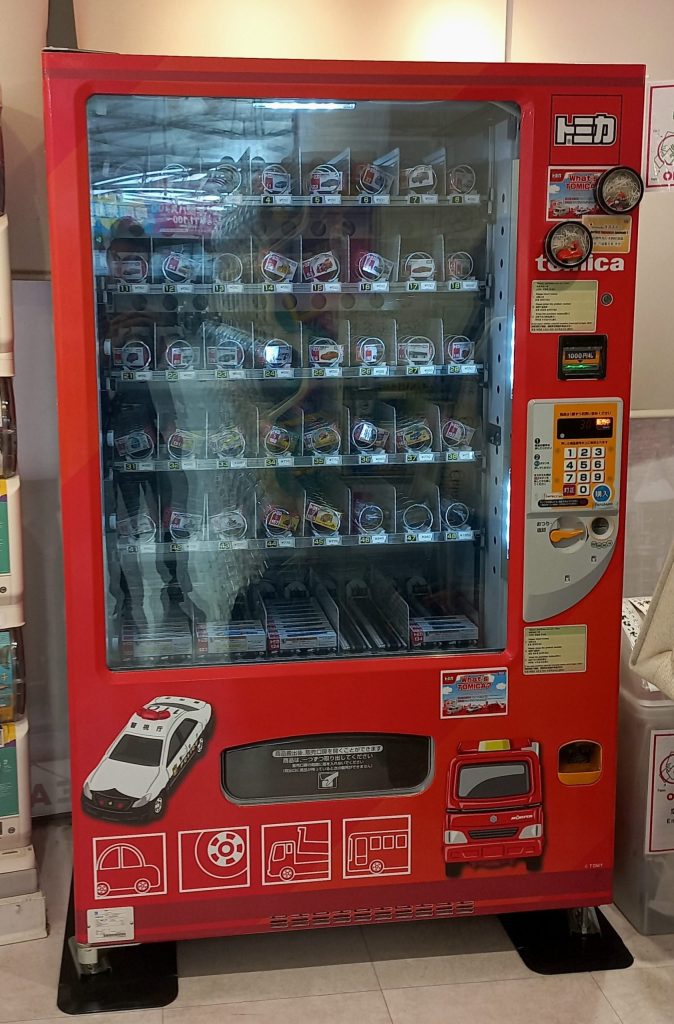
- Cultural products: souvenirs, figurines, or collectibles related to Japanese pop culture.
- Emergency items: umbrellas, surgical masks, batteries or even clothes like socks.
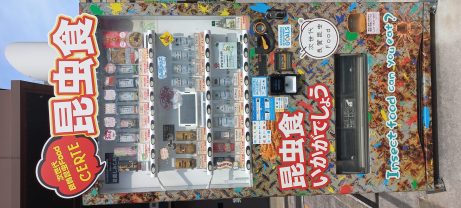
- Unusual objectsSome jidohanbaiki offer edible insects, redfish or bottles of luxury sake.
This variety reflects the ingenuity of Japanese companies and their ability to anticipate consumers’ needs.
Technological innovation serving jidohanbaiki
ATMs in Japan are not just mechanical machines. Many integrate advanced technologies to improve user experience:
- Interactive touch screensThey provide detailed information on products, such as ingredients or allergens.
- Facial recognitionSome machines adapt their recommendations according to the age or gender of the user.
- Dematerialised paymentsBeyond coins and tickets, distributors accept Suica or Pasmo cards, which are widely used in public transport, as well as mobile payments via QR code.
- Artificial intelligenceintelligent jidohanbaiki can analyze consumer preferences and adjust their stock accordingly.
These innovations help to make distributors not only practical, but also fun and attractive.
A window on Japanese culture
Beyond their utilitarian function, the jidohanbaiki reflect several aspects of Japanese society:
- The importance of cleanliness: distributors are regularly maintained and rarely vandalized, illustrating Japanese respect for public space.
- Culture of workFor employees who are in a hurry, they offer a quick solution to eat without wasting time.
- The aesthetics and designEven distributors are designed to integrate harmoniously into their environment, whether it is a busy street or a temple.
Some jidohanbaiki, especially in tourist places, have traditional motifs or designs related to the region where they are located, thus strengthening their cultural appeal.
The thematic jidohanbaiki
To attract the attention of locals and tourists, some distributors adopt specific themes:
- Retro distributorsIn cities like Kyoto, it is possible to find vintage-style machines that evoke the Showa era.
- Regional themesIn Hokkaido Prefecture, you may find distributors offering local products such as corn soup or Yubari melon.
- Gashapon distributorsThese small surprise capsules, popular with lovers of manga and anime, are often sold in coloured machines.
These initiatives transform a simple machine into an immersive and memorable experience.

Jidohanbaiki and ecology
In response to growing environmental concerns, ATM manufacturers in Japan are taking steps to reduce their environmental impact:
- Reduction of energy consumption: New models consume up to 30% less energy thanks to advanced technologies.
- Recycling of cans and bottles: sorting bins are often integrated directly into machines.
- Use of durable materialsSome machines are designed to be recycled or reused.
These efforts demonstrate Japan’s willingness to reconcile modernity with respect for the environment.
Why jidohanbaiki fascinate tourists
For foreign visitors, Japanese vending machines are much more than just a means of purchase. They embody a unique facet of Japan, combining efficiency, creativity and singularity.
Testing a jidohanbaiki means diving into Japanese everyday life, discovering unusual products and experiencing a often surprising experience. They become a tourist attraction in its own right, immortalized by thousands of photos on social networks.
Where to find the most unique distributors
For lovers of unusual discoveries, here are some famous places for their vending machines:
- Akihabara in Tokyo: machines dedicated to electronic gadgets and geek culture.
- Shibuya in Tokyo: from energy drinks distributors to futuristic designs.
- Osaka: machines offering regional snacks such as canned takoyaki.
- Mount Fuji: a distributor that offers products inspired by the famous mountain.
Each region of Japan offers surprises through its distributors, making exploration even more exciting.
Conclusion
Jidohanbaiki are more than just a distribution tool in Japan. They embody a part of the soul of the country, mixing tradition and innovation. Their diversity, accessibility and ability to adapt to consumer needs make them an emblematic symbol of modern Japanese culture.
For travellers, these machines are a gateway to new and memorable experiences, whether it’s a unique drink or a totally unexpected product. During your next trip to Japan, do not hesitate to venture near a distributor to live a typical Japanese moment of life.
If this article has brought you useful information and can help other travellers prepare for their stay, a Google review will always be appreciated. |
|

Learn more about preparing your trip to Japan
Discover more from Evasions Rebelles - Travel Planner Japon
Subscribe to get the latest posts sent to your email.