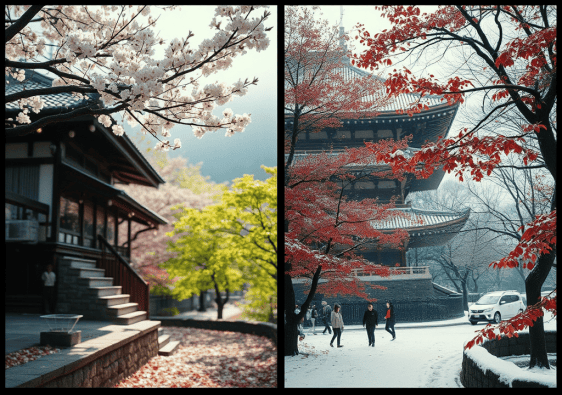
Hanamachi, literally “flower streets”, are the historical districts where geishas live and practice in Japan. These neighbourhoods are distinguished by the presence of okiya (geishas houses), ochaya (tea houses) and shops linked to the cultural and artistic activities of these artists. Discovering a Hanamachi allows you to dive into a centuries-old tradition that combines dance, music, tea ceremony and refined entertainment. Even today, some districts remain active, offering visitors a lively glimpse of geisha art.

Origins of Hanamachi
The Hanamachi succeeded the yūkaku, a neighborhood of prostitutes established in the early seventeenth century. The most famous were Shimabara in Kyoto, Shinmachi in Osaka and Yoshiwara in Edo (Tokyo). These neighbourhoods welcomed both yūjo (prostitutes) and courtesans trained in traditional arts. Beginning in the 18th century, geishas, initially male artists, began to work in these areas, offering entertainment and company unrelated to prostitution. Gradually, yūkaku turned into Hanamachi, centered on art and culture.
Kyoto Hanamachi
Gion
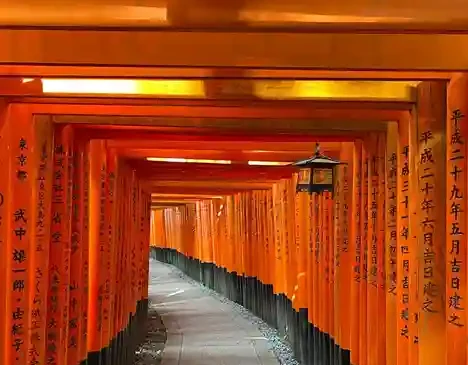
Gion is the most famous district of Kyoto, subdivided into Gion-Kobu and Gion-Higashi. It is located near the Kamo River and Shijō streets in Sanjō. Gion is renowned for its dance shows and traditional tea houses. Geishas are called geiko and their apprentices mayko.
Miyagawa-chō
Also located around the Kamo River, Miyagawa-chō is known for its representations of Kyō odori in the spring. The neighborhood preserves traditional okiya and offers public performances that allow you to discover the know-how of geishas.
Kamishichiken
Farther northwest of Kyoto, Kamishichiken is the oldest active Hanamachi. Every spring, Kitano odori presents the talents of local geishas traditional dances and music, often accompanied by tea ceremony.
Ponto-chō
Long and narrow, the district of Ponto-chō runs along the Kamo River. It is famous for the Kamogawa odori which takes place in May. The alleys house many ochaya where visitors can discover the art of geisha in an intimate setting.
Shimabara
Shimabara, founded in 1640, was one of six Hansamachi in Kyoto. Today, it no longer exists as an active geishas area but functions as a tourist attraction. However, it retains traces of geisha architecture and history.
Dances and performances
Each hanamachi organizes odori, traditional dance and music shows, mainly in spring. Best known include the Miyako odori in Gion Kōbu, the Kitano odori in Kamishichiken and the Kamogawa odori in Ponto-chō. These performances are sometimes accompanied by a tea ceremony and wagashi (Japanese pastries), providing a complete overview of geisha culture. Combined events bring together the five districts, such as the special evening of the five districts in Kyoto at the end of June.
Tokyo and Osaka Hanamachi

In Tokyo, geishas are called gyoku and apprentices hangyoku. The famous neighborhoods are Shinbashi, Akasaka, Asakusa, Yoshi-chō, Kagurazaka and Mukojima. Yoshiwara was historically an important yūkaku. In Osaka, Shinmachi remains the oldest historical district, although destroyed during the Second World War. Other neighbourhoods such as Kita Shinchi and Minami Chi were also geisha activity centres.

Hanamachi of Kanazawa
Kanazawa has three historical districts called chayagai: Nishi Chaya-gai, Higashi Chaya-gai and Kazuemachi. These neighbourhoods still offer public performances and allow to discover geisha culture in a preserved heritage setting.
Symbols and traditions
Each okiya has a kamon, a distinctive badge on the kimonos of the geishas and on the lanterns. The custom fans (Kyōmaru-uchiwa) are distributed during the Gion Matsuri, symbolizing the link between geishas, their customers and local shops. These objects reflect the importance of the identity of each house and the social and cultural role of geishas.
Hanamachi represent a living cultural heritage, mixing art, music and traditional ceremonies. Visiting these neighborhoods in Kyoto, Tokyo, Osaka or Kanazawa offers an immersive experience in the history of geishas, their role in society and their contribution to the preservation of traditional arts. These cultural walks allow visitors to understand the subtlety and elegance of these unique neighborhoods and the richness of Japanese culture.
If this article has brought you useful information and can help other travellers prepare for their stay, a Google review will always be appreciated. |
|
Discover more from Evasions Rebelles - Travel Planner Japon
Subscribe to get the latest posts sent to your email.