Kyoto, the former imperial capital of Japan, is a city where time seems to have stopped. With its majestic temples, Shinto shrines, Zen gardens and traditional streets, Kyoto offers a deep immersion in Japanese history and culture. If you have only one day to visit Kyoto, this express route will allow you to discover the most emblematic places and soak up the unique atmosphere of this charming city.
The main neighborhoods and must-visits of Kyoto
Gion: the geishas district
The Gion district, one of the most famous in Kyoto, is the ideal place to start your exploration. Known as the birthplace of geishas, Gion is a maze of small paved streets lined with traditional wooden houses, calledmachiya. These elegant buildings take you to Japan in the past, and you may be able to see a maiko (apprentice geisha) on the way to a dance or traditional music evening. The tour is free, and it takes 1 to 2 hours to stroll through the alleys, visit local craft shops and tea rooms, and enjoy the quiet and elegant atmosphere of this historic district.
Kiyomizu-dera: a temple with a breathtaking panorama

One of Kyoto’s most emblematic temples, Kiyomizu-dera, is a UNESCO World Heritage Site. Located on the slopes of a mountain, it offers spectacular panoramic views of the city and its surroundings. The entrance costs 400 yen, and the tour takes about 1h30. Its main building, theHondo, is famous for its impressive wooden terrace overlooking the valley. Don’t miss visiting the Otowa spring, where visitors drink water renowned for its miraculous virtues. According to popular belief, drinking water from one of the three sources ensures the realization of vows. A magical moment not to be missed.
Fushimi Inari-taisha: the sanctuary with thousands of torii
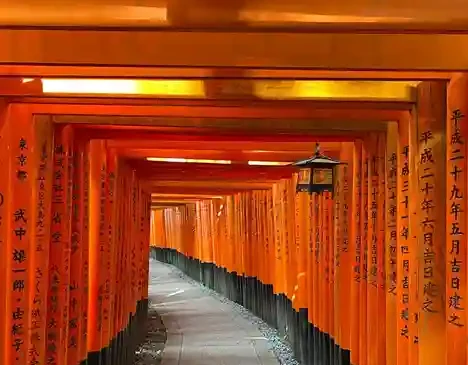
Another must-see in Kyoto is the Fushimi Inari-taisha shrine, world-famous for its thousands of red torii doors that snake on the slopes of Mount Inari. The entrance is free, and the full walk to the summit lasts about 2 to 3 hours. This spiritual site is dedicated to Inari, the god of rice, and walking through the alleys of torii is a mystical experience. The ascent of Mount Inari, although long, allows you to get lost in a labyrinth of red doors and explore smaller shrines along the way. It is a fascinating place that offers a special atmosphere, ideal for reconnecting with Japanese nature and spirituality.
Arashiyama: nature and serenity in the heart of Kyoto
Arashiyama is a quiet area located west of Kyoto, ideal for a relaxing walk in nature. The main attraction of Arashiyama is the bamboo forest of Sagano, a mystical place where thousands of bamboo stems stand up towards the sky, creating a serene and magical atmosphere. Access is free, and the crossing takes about 30 minutes. You can also visit Tenryu-ji, a zen temple listed as a UNESCO World Heritage Site, known for its beautiful landscaped gardens, with an entrance at 500 yen. To finish your visit to Arashiyama, cross the famous Togetsukyo Bridge, which spans the Katsura River and offers a picturesque view of the surrounding valley, especially beautiful during the season of cherry trees in bloom or autumn.
Recommended route for a day in Kyoto from Osaka
If you’re leaving from Osaka for a day in Kyoto, here’s an optimized itinerary to fully enjoy the city’s must-sees in a single day, with time and fare benchmarks at each stage.
Morning : departure and exploration of the Gion district
Start your day early by taking the Shinkansen from Osaka to Kyoto, a quick drive of only 15 minutes for about 1,500 yen, or the local train for 570 yen and 30 minutes. Upon your arrival, proceed immediately to the Gion district. Take the time to get lost in its picturesque streets, stopping to admire the traditional houses and, if you’re lucky, see a maiko or geisha. Then, have a traditional breakfast in a local café for 500 to 1,000 yen before going to the Kiyomizu-dera temple.
12 noon: Kiyomizu-dera and Fushimi Inari-taisha
After admiring the view from the Kiyomizu-dera (400 yen), head towards Fushimi Inari-taisha. You can take a taxi for about 1,500 to 2,000 yen, or a bus for 230 yen and 20 minutes, to get quickly to the spot. Enjoy the beauty of this sanctuary by walking under the thousands of torii. The visit can take 2 to 3 hours for the complete ascent, but the site is definitely worth a visit. For lunch, there are 1,000 to 2,000 yen in restaurants near the sanctuary.
Afternoon: relaxation in Arashiyama
In the afternoon, head to Arashiyama for a quieter experience in nature, with a 20 minute train ride for 240 yen from Kyoto station. Walk into the bamboo forest (free), then explore the Tenryu-ji temple and its gardens (500 yen). Take the time to cross the Togetsukyo Bridge, offering stunning views of the surrounding mountains. Count 2 to 3 hours on site to fully enjoy the neighborhood.
Evening: back to Osaka
To finish the day, enjoy a traditional dinner in Kyoto, where you can taste local dishes like thekaiseki ryori, a multi-course meal that reflects the culinary art of the city, with menus between 6,000 and 15,000 yen. For a more modest budget, ramen and izakaya restaurants offer meals between 1,000 and 3,000 yen. After your meal, head back to Kyoto Station to take the Shinkansen towards Osaka, with a final departure at around 10 p.m. and a 15-minute ride.
Tips for your Kyoto visit
Best time to visit Kyoto
Kyoto is beautiful throughout the year, but the spring (March-April) and autumn (October-November) seasons are particularly popular, with temperatures between 12 and 22 °C. Spring, with its cherry blossoms, and autumn, when the leaves of the trees take on red and golden colours, offer spectacular landscapes. The summer is warm and humid, with peaks at 35 °C, and the winter is calmer, with temperatures between 2 and 12 °C. If you can plan your visit during one of these seasons, you will experience an unforgettable experience.
How to move to Kyoto
The fastest and easiest way to get to Kyoto from Osaka is to Shinkansen, with a 15-minute drive to about 1,500 yen. The local train remains more economical, at 570 yen and 30 minutes. Once in Kyoto, you can use the buses (230 yen a journey, a day pass at 700 yen) or local trains, or rent a bike for 1,000 to 1,500 yen a day to explore the city at your own pace. Public transport is well organized and makes it easy to get from one site to another, but buses are often crowded in high season.
Where to eat in Kyoto
Kyoto is renowned for its refined gastronomy. You will find a wide variety of restaurants, ranging from Michelin-starred establishments to traditional small shops. Don’t miss tastingkaiseki ryori, a traditional meal consisting of several carefully prepared dishes that highlight the fresh products of the region, with menus between 6,000 and 15,000 yen. For a more modest budget, ramen restaurants (800 to 1,500 yen), izakayas (2,000 to 4,000 yen) and street stalls (300 to 800 yen) offer tasty alternatives.
What to report from Kyoto
Typical Kyoto memories include handcrafted ceramics (1,500 to 8,000 yen), decorative fans (1,000 to 5,000 yen), kimonos (5,000 to 30,000 yen), and matcha tea products (500 to 2,000 yen). If you like tea, you will find many specialized shops in the matcha, a speciality of Kyoto, especially in the Uji district, 30 minutes by train for 240 yen.
Kyoto is a city that transports Japan’s history and spirituality. In one day you can discover its most emblematic places and soak up its quiet and enchanting atmosphere. Whether you’re passionate about Japanese culture, history or simply looking for serenity, Kyoto will be seduced by its timeless charm. By preparing your transports and reservations in advance, you will enjoy this getaway in the old capital.
If this article has brought you useful information and can help other travellers prepare for their stay, a Google review will always be appreciated. |
|
How long does it take to visit Kyoto?
One day is enough to cover the must-sees: Gion, Kiyomizu-dera, Fushimi Inari-taisha and Arashiyama. Count three to four days to add the Kinkaku-ji, Ginkaku-ji, Nijo Castle and an excursion to Nara. A week allows you to explore less touristic areas and slow down the pace. The one-day program is suitable for a first discovery, with about 8,000 to 15,000 yen of budget per person including transportation, entrances and meals.
What is the best time to visit Kyoto?
Spring (March-April) and autumn (October-November) offer the most pleasant temperatures, between 12 and 22 °C, ideal for temples, gardens and bamboo forest. These seasons also attract the most people, with 30 to 50% higher hotel rates and crowded sites. The summer is warm and humid, with peaks at 35 °C, and the winter is calmer, with temperatures between 2 and 12 °C. The rainy season, from June to mid-July, may complicate outdoor visits but remains manageable with a covered program.
How much is a day in Kyoto from Osaka?
There are 8,000 to 15,000 yen per person: 1,140 yen local round-trip (or 3,000 yen Shinkansen), 400 yen Kiyomizu-dera, 500 yen Tenryu-ji, 240 yen Arashiyama, and 3,000 to 5,000 yen meals. In comfort, with a kaiseki dinner (6,000 to 15,000 yen) and taxi rides, plan 20,000 to 30,000 yen. The 700 yen day bus pass becomes profitable beyond three trips, and Fushimi Inari-taisha like Gion are free.
How to move to Kyoto without ruining yourself?
The Kyoto bus costs 230 yen per journey, with a day pass of 700 yen plus three routes. The metro offers journeys between 220 and 360 yen, with a day pass at 800 yen. The bike rental costs 1,000 to 1,500 yen per day and allows you to explore the city at your own pace. From Osaka, the local train costs 570 yen and takes 30 minutes, compared to 1,500 yen and 15 minutes in Shinkansen. For Fushimi Inari-taisha, the JR train from Kyoto station costs 150 yen and takes 5 minutes.
What culinary specialties should be tasted in Kyoto?
Kyoto is famous for its kaiseki ryori (6,000 to 15,000 yen), yudofu (cooked tofu, 1,500 to 2,500 yen) and ramen (800 to 1,500 yen). Also taste the sweets at the matcha (300 to 800 yen), the vegetable pickles (500 to 1,500 yen) and the wagashi (200 to 500 yen). The shops at Nishiki Market offer skewers and pastries from 200 yen, perfect for a light lunch. The Pontocho izakayas offer menus between 2,000 and 4,000 yen in a traditional atmosphere.
What to do in Kyoto when it rains?
Focus on the covered areas: Kyoto National Museum (700 yen), Kyoto Manga Museum (900 yen) and Kyoto Railway Museum (1,200 yen). Covered temples such as Sanjusangen-do (600 yen) and Kennin-ji temple (800 yen) remain accessible in the rain. The shopping galleries of Nishiki Market and Kyoto Station offer safe shopping, with items between 500 and 5,000 yen. For a full day, count a budget of 3,000 to 6,000 yen per person, including transportation, entrances and meals.
Discover more from Evasions Rebelles - Travel Planner Japon
Subscribe to get the latest posts sent to your email.