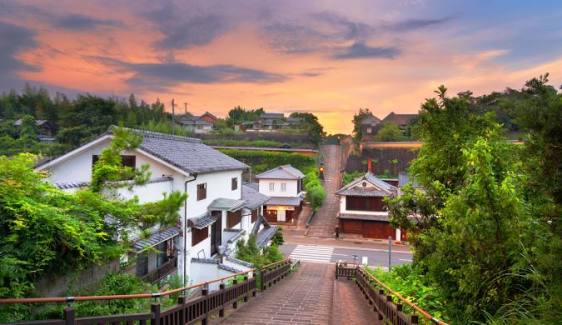
Located in Fukuoka Prefecture, the city of Dazaifu is a historic jewel of Japan, which has played a key role as a political and cultural centre for more than 500 years. Known for its majestic temples, sacred sanctuaries and art museums, Dazaifu attracts travellers seeking an immersion in Japanese history and spirituality. Through its quiet streets lined with cherry trees and fascinating cultural sites, this city offers a perfect balance between nature, tradition and modernity. In addition to its must-see sites, local gastronomy will not fail to seduce gourmets.
Going to Dazaifu from Fukuoka: Fast and Easy Access
Dazaifu is located about 16 kilometres southeast of Fukuoka, making it an ideal destination for a day trip. The easiest way to get there is to take the train. SinceTenjin train stationin Fukuoka, board the lineNishitetsu Tenjin-Omutain the direction of the stationFutsukaichi. This route takes about 15 minutes. Once you arrive in Futsukaichi, change to the lineNishitetsu Dazaifu, which will take you directly to the station of Dazaifu in just 5 additional minutes.
The total journey takes only about 25 minutes, and trains are frequent, providing easy and comfortable access to Dazaifu. This proximity to Fukuoka makes Dazaifu particularly attractive for visitors seeking to escape the bustle of the city while discovering a fascinating historical heritage.
The Dazaifu Tenmangu Sanctuary: Place of Cult and History
TheDazaifu Tenmangu sanctuaryis probably the most famous attraction in the city. This Shinto shrine is dedicated toSugawara no Michizane, a 9th century scholar and poet, who is venerated today as the god of learning and studies. Every year, thousands of students come to the shrine to pray for the success of their exams, making the Dazaifu Tenmangu a deeply spiritual place.
The architecture of the sanctuary is impressive, with a large main pavilion surrounded by carefully maintained gardens and superb ponds. At the entrance, visitors are greeted by a magnificent stone torii, and the path to the sanctuary is lined with plum trees in bloom, known to be the first trees to bloom in Japan, signaling the arrival of spring. The sanctuary is also famous for its annual festivals, including theUme Matsuri festivalin spring, celebrating plumflowers.
Kyushu National Museum: A Dive into History
A few steps from the Tenmangu shrine, theKyushu National Museumis another must-see place in Dazaifu. Inaugurated in 2005, this modern museum is distinguished not only by its bold and futuristic architecture, but also by the richness of its collections. It is Japan’s fourth national museum and focuses on Kyushu’s history and culture as well as the links between Japan and the rest of Asia.
The museum houses artifacts ranging from prehistoric to modern times, with exhibitions covering topics such as archaeology, religious art, and cultural exchanges between Japan and China or Korea. One of the centrepieces of the museum is a section dedicated to the ancient Dazaifu as an important administrative centre during the Heian period. For lovers of history and culture, it is an obligatory passage that offers a unique look at the crucial role that Dazaifu played in Japanese history.
Komyozenji : A Zen Garden and a Havre de Paix
TheKomyozenji templeis another fascinating place in Dazaifu, especially appreciated for its Zen garden. This temple, affiliated with the Rinzai school of Zen Buddhism, is renowned for its dry gardens (karesansui), which harmoniously combine stones and white sand. The main garden, visible from the main hall of the temple, is a classic example of Japanese Zen aesthetics, encouraging contemplation and meditation.
A second garden, at the back of the temple, uses moss and maples to create a peaceful atmosphere, especially in autumn, when the leaves tint with red and gold. Less frequented than the Tenmangu sanctuary, Komyozenji offers a quiet getaway where you can enjoy the calm and natural beauty.
The Historical Street of Dazaifu : A Time Trip
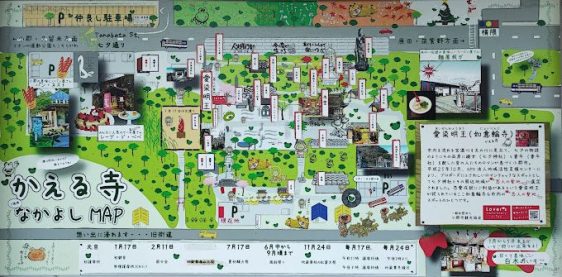
The path to the Tenmangu shrine is lined with traditional shops, cafes and small restaurants, creating a nostalgic atmosphere. This historic pedestrian street, calledDazaifu Monzen Machi, is the perfect place to stroll and discover artisanal memories, religious objects, and taste local specialties.
One of the most popular treats on this street is theume-gashi, a plum cake, which is a tribute to the plum trees surrounding the sanctuary. You will also find stands offeringtaiyaki(fish-like cakes filled with red bean paste) andyaki-imo(roasted sweet potatoes) which are traditional Japanese snacks.
Natural Treasures: Hiking at Mount Hōman
For nature lovers and hikers, theMount Hōmanis an ideal destination. This sacred summit peaks at about 829 meters and offers spectacular views of the city and surrounding area. The well marked hiking trail begins near the Tenmangu sanctuary and leads to several pilgrimage sites on the way to the summit. Along the way, you can explore smaller shrines, such as theKamado Shrine, dedicated to the goddess Tamayori-hime.
This hike is popular throughout the year, but is particularly popular during the spring and autumn flowering seasons of cherry trees. For those looking for a more sporting activity in Dazaifu, the ascent of Mount Hōman offers a beautiful combination of nature, spirituality and physical exercise.
Gastronomy in Dazaifu: Between Traditions and Modernity
Dazaifu offers a diverse gastronomy that reflects its historical and cultural roots. Visitors can enjoy several local specialities, ranging from traditional Japanese dishes to dishes influenced by nearby Asian cuisines.
One of the most emblematic specialties of Dazaifu is theUmegae-mochi, a rice cake filled with red bean paste, often consumed as an offering during visits to the Tenmangu sanctuary. This soft dessert is sold in many shops along Monzen Machi Street and is appreciated by both locals and tourists.
For those who want a more complete meal, Dazaifu houses several restaurants offering traditional Japanese dishes such asKatsu-don(bold rice with breaded pork chop) ortempura. Moreover, due to the proximity of the city to Fukuoka, known for its ramen, you will also find restaurants specialized in thetonkotsu ramen(ramen in pork broth) in Dazaifu.
The Dazaifu Festivals: A Celebration of Local Culture
Throughout the year, Dazaifu is the scene of several festivals and cultural events, which attract many visitors. One of the most famous is theTenmangu Ume Matsuri, which takes place every year in February. This festival celebrates the blooming plum trees that surround the Tenmangu sanctuary, with traditional ceremonies, dances, and music shows.
In summer, the festivalDazaifu Tenmangu Ontou-saiAlso attracts large crowds with its parades, fireworks and artistic representations. Participating in these festivals makes it possible to discover a more lively and festive facet of the city, where the Shinto tradition meets popular celebrations.
Dazaifu is a destination that embodies both Japan’s deep history and its natural beauty. With its ancient temples, majestic shrines, serene gardens and fascinating museums, the city offers a complete cultural experience. The proximity to Fukuoka makes Dazaifu easily accessible, whether for a day visit or a longer stay. Finally, local gastronomy and lively festivals add to the city’s appeal, making Dazaifu a must for anyone wishing to explore authentic Japan.
If this article has brought you useful information and can help other travellers prepare for their stay, a Google review will always be appreciated. |
|

Learn more about preparing your trip to Japan
Discover more from Evasions Rebelles - Travel Planner Japon
Subscribe to get the latest posts sent to your email.