Situated in Chiba Prefecture, just a few hours from Tokyô, Mount Nokogiri is a unique combination of natural landscapes, Buddhist heritage and spectacular panoramas. With its steep cliffs, its huge Buddha carved in rock, and its forest-lined trails, this mountain offers a complete experience, ideal for lovers of hiking and cultural discoveries.

Why does Mount Nokogiri bear that name?
The name Nokogiri-yama literally means “saw mountain”. This name comes from the silhouette characteristic of its rocky ridges, which resemble the teeth of a saw. This particular form is the result of the intense exploitation of stone quarries, which have shaped the mountain over the centuries. This shredded profile contrasts strongly with the surrounding hills, making the mountain easily identifiable from afar.
Historically, this extracted stone has been used to build many buildings, and the site has gradually assumed major religious importance. The mountain is now recognized as a Buddhist place of worship, but also for its panoramic views of Tokyo Bay, and in clear weather, on Mount Fuji, Japan’s natural emblem.
What to see at Mount Nokogiri?
Mount Nokogiri is full of cultural and natural treasures that attract many visitors every year.

Nihon-ji Temple and its Giant Buddha

The Nihon-ji Temple is a religious complex founded in 724, one of the oldest in the Chiba region. It extends over a large part of the mountain and houses remarkable works. The organ point is without doubt Buddha Yakushi Ruriko Nyorai, a 31 metre high stone statue, the largest statue of Buddha sitting in Japan. Made at the end of the 18th century by artisan Ôno Jingoro and his disciples, this figure embodies healing and compassion, central themes of Buddhism.
The 1,500 statues of Buddha’s disciples: the Sengohyaku Rakan

Throughout the mountain trails, you will meet the Sengohyaku Rakan (, ), a large collection of about 1,500 statues representing Buddha’s disciples. Each statue is unique, with various expressions ranging from smiles to deep meditation and even melancholy. Although some suffered from degradation during the Meiji period, they are a living and impressive testimony of Japanese religious art.
The statue of Hyaku-Shaku Kannon

Sculpted in 1966 in the cliff, the statue of Hyaku-Shaku Kannon is 30 metres tall and represents Kannon, the goddess of mercy. This monumental work is dedicated to the victims of wars and natural disasters. It offers another spiritual and artistic dimension to the site.
The Jigoku Nozoki, the Hell Belvedere
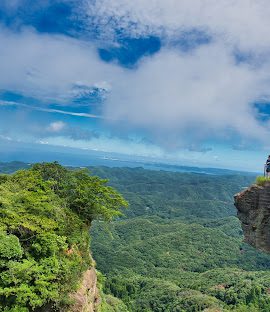
This rocky promontory is probably one of the most impressive views of Mount Nokogiri. Moving on to the Jigoku Nozoki, it is located on the edge of a precipice offering a dizzying view of the Tokyo Bay. In clear weather, you can see Mount Fuji and Tokyo Skytree. This place, while providing a sensation of chill, is safely accessible thanks to the installed facilities.
How to get to Mount Nokogiri?
Access from Tokyô
Mount Nokogiri is easily accessible by train from the Tokyô railway station. Take the line JR Sobu Rapid until Kimitsu (about 45 minutes), then the local line JR Uchibo until Hama-Kanaya (about 31 minutes). The price is about 1,980 yen (~13.30 €) for a one-way ride.
Riding by cable car or hiking?
From Hama-Kanaya station, two options are available to visitors to reach the summit.
The cable car is a quick and convenient solution, lasting about 4 minutes. The return ticket costs about 1,200 yen (~8 €). The cable car station is located just 700 metres from the railway station. Schedules vary according to season, it is advisable to check before planning your visit.
For nature lovers, hiking remains a preferred option. Take about 45 minutes to walk from the station. This course allows you to soak up the beauty of the site, between forests, rocks and open views. There are also several trails to explore the surroundings of Nihon-ji Temple.
What do you plan for the visit?
Mount Nokogiri is visited all year round, but weather conditions can influence the experience, especially for panoramas. It is advisable to provide comfortable walking shoes, water, and possibly a hat or a windbreak depending on the season.
The tourist facilities around the cable car allow to eat or buy souvenirs related to the site. It is recommended to devote between two and four hours to the full visit, to take full advantage of the various points of interest.
Mount Nokogiri, with its rare combination of wild nature, monumental religious art and exceptional panoramas, is a must for any traveller wishing to get away from the urban agitation of Tokyô. The mountain offers a balance between accessible physical activity and rich cultural discoveries, inviting reflection and contemplation. Mountain Nokogiri, whether by cable car or by hiking in the wooded trails, remains a significant and authentic experience in the heart of the Chiba region.
If this article has brought you useful information and can help other travellers prepare for their stay, a Google review will always be appreciated. |
|
Discover more from Evasions Rebelles - Travel Planner Japon
Subscribe to get the latest posts sent to your email.