Shopping in a supermarket in Japan is much more than just a daily activity: it is an immersion in food habits, culinary culture, and Japanese lifestyle. For travellers, understanding the operation of supermarkets makes it possible to optimize your budget, plan your meals better, and discover typical products unknown. This guide details the main signs, the peculiarities to know and the most amazing products that can be found there.

Great Japanese supermarket signs
The landscape of supermarkets in Japan is marked by a variety of chains, national or regional, which offer a wide range of fresh, prepared or imported products. Some of the most common in the archipelago are:
ÆONis one of the largest chains in the country, present in all regions. There are both food and household items, often at affordable prices.
Seiyu, bought by Walmart in the 2000s, offers a wide selection at competitive prices. It is often located near large railway stations.
Ito-Yokado, a subsidiary of Seven & I Holdings, offers a complete offer with a well-stocked food range, and many household products.
Daiei, an older sign, focuses on urban neighbourhoods, with compact formats and extended schedules.
Maruetsu,Tobu Store,IzumiyaandInageyaare chains more present in large cities and residential areas. They are appreciated for their selection of cooked dishes and their local approach.
Find a Supermarket
Use maps online
One of the easiest ways to locate a supermarket in Japan is to useGoogle Maps. Simply enter the address or neighbourhood where you reside, then type “supermarket”, “supermarket” or the name of a sign mentioned above.
For best results, use the Japanese term(pronounced)suupaa) directly in the search bar. By avoiding over zooming, you will get an overview of the options available in the vicinity. You will see local signs, sometimes written only in Japanese, which may represent a small reading challenge, but also a good opportunity to practice.
Search by supermarket chains
For those who wish to go further or plan ahead, it is possible to consult lists of supermarket chains by region. For example,this site http://www.jp-super.com/super-2tko.htmlist the main channels present in Tokyo, with links to the official pages of each sign. These sites often locate branches via an integrated search tool, depending on the neighbourhood or postal code. It’s a convenient way to make sure there’s a supermarket nearby.
A map of large networks
If you prefer a national overview,this interactive mapshows you the main locations of large supermarket chains across Japan. It can be useful for quickly viewing the signs accessible according to your travels, especially if you plan to visit several cities.
What to expect in a Japanese supermarket
Unlike large western areas where weekly purchases are often made, Japanese people prefer more frequent and targeted purchases. This influences the size of the carts, the layout of the products and the choice of schedules.
Small wagonsThe majority of customers come on foot or by bike. The trolleys are therefore suitable for small purchase volumes.
Many prepared dishesThe “osōzai” section is full of ready-to-eat dishes: bento, salads, grilled fish, onigiri, tempura, yakitori… These dishes are of quality and very popular at the end of the day, especially around 8 p.m., when prices are reduced from 10 to 50%.
Loyalty programsIf you are staying for several weeks, consider asking for a loyalty card. Cumulative points can be used in future purchases.
Payment: Beyond cash, most supermarkets accept credit cards, IC cards like Suica, as well as mobile payment systems (PayPay, Rakuten Pay…).
Practical tips for travellers
Choose accommodation near a supermarketIn dense tourist areas, it is sometimes difficult to find supermarkets. Check the location of the signs before booking your accommodation, especially if you plan to cook.
Identify days and hours of promotionEach sign offers specific discounts on certain days. Vegetables, dairy products or meat can be offered at a reduced rate. The prospectuses are available on entry or online.
Fill up snacks at the supermarket instead of konbinisnacks (biscuits, chips, chocolates) are generally cheaper and offered in family formats.
Avoid rush hours: for a more enjoyable experience, prefer visits in the morning or in the evening, avoiding post-work schedules (5 p.m. – 7 p.m.).
What to find at the Classic Food Ray in a Japanese Supermarket?
Japanese supermarkets offer a wide range of products covering all daily needs. On thefresh produce, there is a varied selection ofmeat(beef, pork, chicken) and a wide choice ofseafood:fresh fish,various sashimi,processed seafood productsorSushi traysready to consume. The rays offruit and vegetablesare well stocked, including alsomushrooms, very present in the local kitchen.
The radiusdairy productsoffermilk,yogurt,cheese,eggs,butterandmargarine, although some items are available in more limited quantity or variety than in Western countries. There are also manysoybean products:tofu,miso,soy sauceandnatto.
For small hollows, the radiussnacksgroup of as manyJapanese sweets, that ofinternational sweets,senbei (rice cakes)orchips. Self-service prepared dishes —salads,yakitori,donutsor otherfried dishes— make a meal quick without cooking.
Finally, there are many commodities:rice,bread,noodles(soba, udon, ramen),cereals,Canned,frozen productsandcondimentsall are easily available, making it possible to cook complete and varied dishes at home.
Fruit and vegetables
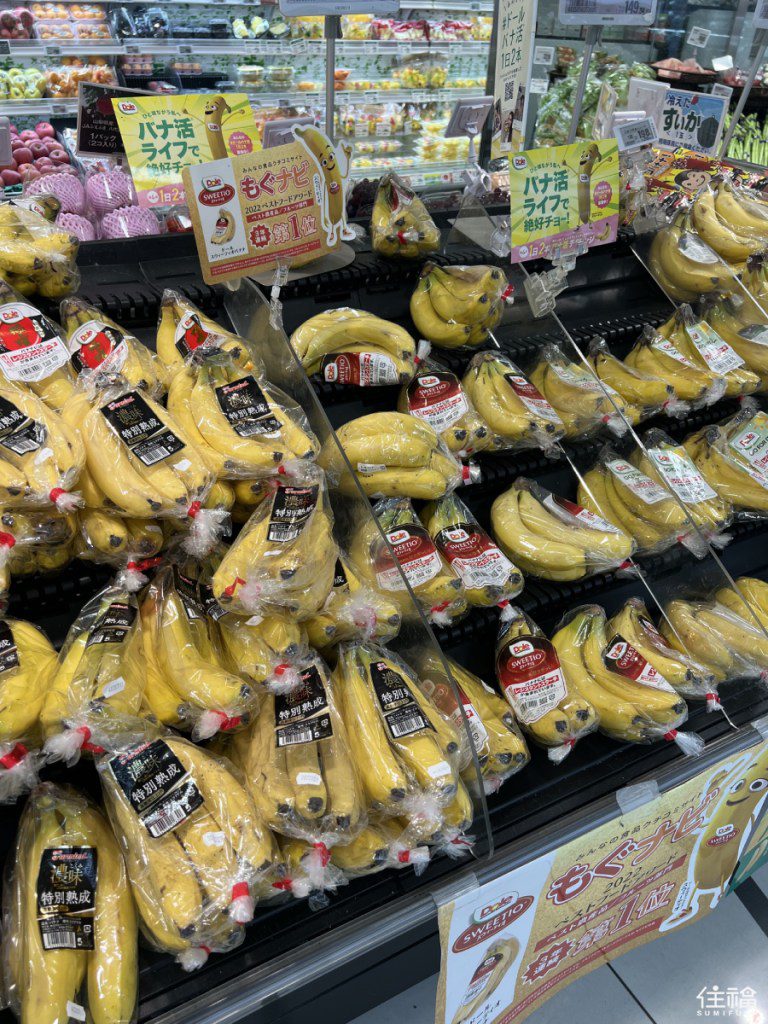
Some fruits and vegetables can generally be more expensive in Japan than in Europe, especially because some fruits are offered as gifts. For economical choices, choose local fruits and vegetables, often sold in lots at good prices. On the vegetables side, onions, carrots, cherry tomatoes, cabbages, pak choi and spinach are affordable, versatile and conserve well. These products make it easy to enrich daily dishes without too much impact on the budget.
Meat and fish
Japanese supermarkets offer good quality meat, sometimes already marinated with vegetables, ideal for sautéed meats. Beef, pork or chicken may be less than ¥1000. The fish ray is also well provided: tuna sashimi (maguro), fresh salmon, frozen shrimp, etc. Please note, however, the short shelf life. For vegan diets, alternatives to meat are still limited.
Rice
Basic food in Japan, rice is available in several varieties: white, complete, or special sushi. The bags vary from ¥880 to ¥3000 depending on the quality and provenance (Niigata, Yamagata…). For fast meals, micro-fat rice servings are a convenient and inexpensive option. Buying a package of several servings saves on the long term.
Noodles
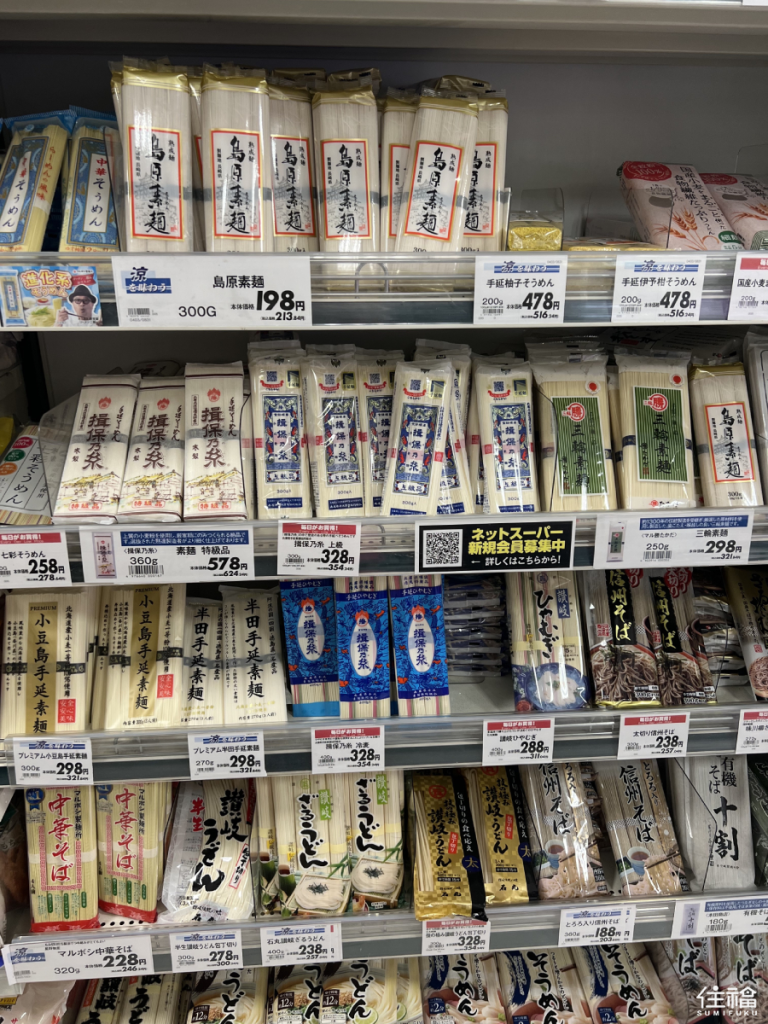
Japanese noodles such as soba, ludon or ramen are simple to prepare and keep well. Japan is also famous for its instant bowl noodles, such as Cup Noodle, Donbei or U.F.O Yakisoba, perfect for express meals. Although they are less healthy, they do so effectively.
Cooking Sauces

To cook Japanese at home, thesoy sauce(shōyu) and theMirinare essential basic ingredients. Soy sauce is made fromfermented soya, wheat, water and salt. There are two major varieties:
- thelight soy sauce(usukuchi), more salty and light in colour, ideal for dishes where the tint of broth or ingredients must be preserved,
- thedark soy sauce(koikuchi), thicker and richer in taste, used in most daily recipes.
TheMirin, on the other hand, is a type of sweet rice wine. It generally containsfermented glued rice, koji (rice)and a small percentage of alcohol. He brings asubtle sweet note, balances the salty flavors of soy sauce and gives a brilliant appearance to the dishes. Several types are distinguished:
- onHon-mirin(authentic mirin), richer and more complex,
- onmirin-fū(mirin substitute), often alcohol-free, more economical,
- andLightened mirinwith less sugar or calories.
Both condiments are available in different sizes and qualities in all Japanese supermarkets. Price varies between¥200 and ¥400depending on the format. For those who regularly cook Japanese, it is advisable to opt for alarge size bottle, more advantageous in the long term.
Instant Curry

Instant curry blocks are convenient for quick, consistent Japanese curry. Starting from ¥98, these blocks allow to cook several portions in advance. Intensities vary from sweet to very spicy ( Popular brands include House Vermont Curry and S&B Golden Curry. Consider accompanying potatoes, carrots, onions and meat.
Natto and Furikake
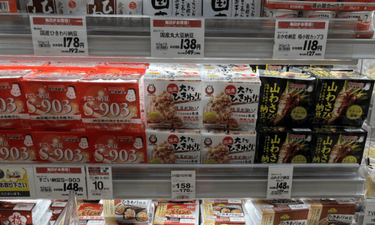
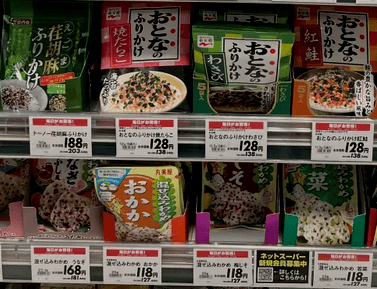
Thenatto, fermented soybean with strong taste, is economical and rich in probiotics. A pack of three costs about ¥100. Thefurikake, dry seasoning consisting of seaweeds, sesame seeds and dried fish, is a popular alternative to embellish rice. There are even childish versions of Pokémon or Anpanman’s effigy.
Miso
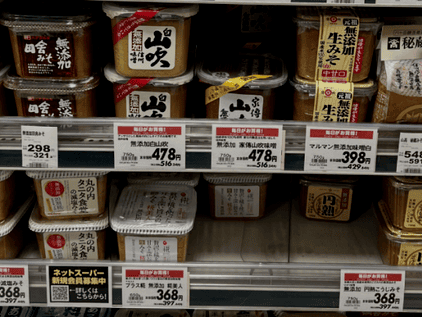
Miso, fermented soy paste, is used to prepare soups and marinades. Very affordable, it preserves well and promotes intestinal health. For quick use, instant miso soups are convenient: just add hot water. Bags of various tastes (wakame, tofu, abura-age) are available at less than ¥110 for several servings.
Bread
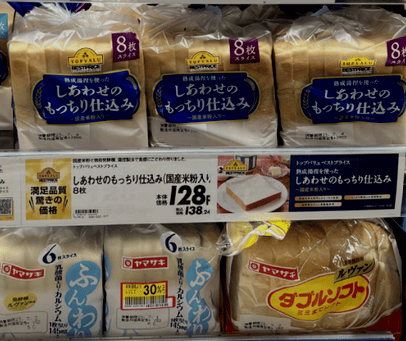
Although less consumed than in the West, bread exists in various formats in Japan. Thick slices of white mie bread cost less than ¥200 and can be garnished according to the inspiration: cheese, egg, bacon, etc. There are also buns (butter, cream, grapes), perfect for breakfast.
Mentaiko (column eggs)

These spicy eggs are used as a filling for onigiri, omelettes or pasta. Their taste is salty and umami, without being too iodized.
Shirasu (fish fry)
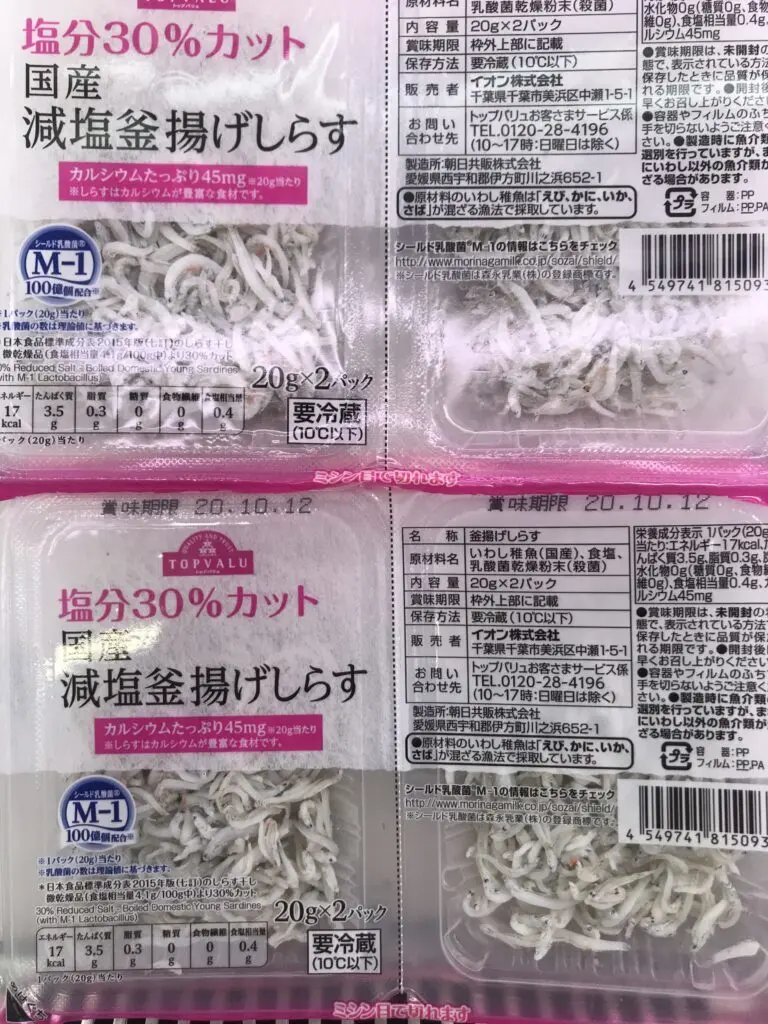
These small white fish are often eaten raw, topping on rice or with ginger and soy sauce. They can also be cooked in frying or integrated into sauces.
Daikon (white radis)

Imposing root vegetable, daikon is consumed raw grated (accompaniment of tempura), or simmered in dishes like l It is also available in a dried version.
Algae (nori, wakam, kombu)
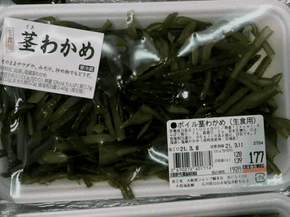
Omnipresent, they are available in fresh or dried form. The kombu is used to prepare the dashi broth, the others can be integrated into salads or soups.
Kamaboko (fish pastes)
These fish cakes made from surimi are sold in slices, rolls or decorative shapes. They decorate soups, bentos and simmered dishes.
Mochi and Dango
Pastry made from sticky rice, mochi can be sweet (forged with d的azuki paste or strawberry) or salty. Dango are skewers of cooked meatballs, often with sweet soy sauce.
Konnyaku (Konjac Pasta)
Not appetizing at first, konnyaku is a vegetable jelly almost without calories. It is often sold in blocks or noodles and must be boiled before being consumed.
Vocabulary
| Product | Japanese (Kanji + Kana) | Romaji |
|---|---|---|
| Fruit | Kudamono | |
| Vegetable | Yasai | |
| Meat | Niku | |
| Fish | Sakana | |
| Noodles | Men | |
| Soya sauce | Shōyu | |
| Mirin | Mirin | |
| Curry | Kars | |
| Natto | Nattō | |
| Furikake | Furikake | |
| Miso | Miso | |
| Bread | Pan | |
| Mentaiko | Mentaiko | |
| Shirasu | Shirasu | |
| Daikon | Daikon | |
| Nori | Nori | |
| Wakame | Wakame | |
| Kombu | Konbu | |
| Kamaboko | Kamaboko | |
| Mochi | Mochi | |
| Dango | Dango | |
| Konnyaku | Konnyaku | |
| Alcohol | Sake | |
| Beer | Bīru | |
| Highball | Haibōru |
Other advice
Read labelsEven without reading Japanese, colour codes help differentiate foods. Discount labels often indicate the percentage reduction and the time the promotion expires.
Use automatic scalesFor products sold by weight, it is sometimes necessary to weigh them yourself before going through the box.
Pack your bagsMost supermarkets do not provide free plastic bags. Bring your reusable bags or buy one in cash (often 5 to 10 yen).
Quick paymentThe automatic boxes are numerous, with multilingual instructions. The lines are well organized and payments are made quickly.
Shopping in Japan may seem confusing at the start, but this activity quickly becomes a pleasant and informative moment. It is also an economical and authentic way to taste the culinary richness of the country. By exploring the shelves of Japanese supermarkets, you will make unexpected discoveries and enjoy fresh, healthy and varied products, whether for a meal on the go or a dinner cooked on site.
If this article has brought you useful information and can help other travellers prepare for their stay, a Google review will always be appreciated. |
|
Discover more from Evasions Rebelles - Travel Planner Japon
Subscribe to get the latest posts sent to your email.