On a trip to Japan, 100 yen stores are a must-have shopping stage, present throughout the country and accessible to all budgets. These signs allow you to bring back souvenirs, beauty products, stationery or local snacks for a derisory sum, while offering a very concrete overview of Japanese daily life. Whether you’re looking for a useful item, an original gift or simply a pretext to stroll through the shelves, the 100 yen shop has enough to satisfy all desires, with a quality that often surprises travellers.
What is a 100 yen shop
A 100 yen shop is a shop where the vast majority of items are sold at a single price, usually 100 yen without taxes, or about 110 yen incl. The concept is similar to the US dollar blinds or British pound shops, but with a Japanese execution: impeccably tidy spokes, regularly renewed products and neat packaging. Assortment covers an impressive spectrum, from household items to electronic gadgets, stationery, beauty products, kitchen accessories and toys.

However, the idea of a strictly single price must be nuanced. Since the increase in the consumption tax to 10 per cent, most items are displayed at 100 yen without tax, and some larger or more elaborate parts are sold at 200, 300 or 500 yen. These exceptions remain a minority and do not remove anything from the appeal of the concept: a complete basket for the price of a single item in a classic shop.
The main chains
Daiso largely dominates the market, with more than 3,000 stores in Japan and an increasing international presence. The brand is renowned for the breadth of its catalogue and the amazing quality of certain items, especially in kitchen and storage. There are also seasonal series, such as hanami accessories in spring or Christmas decorations at the end of the year, which make travellers happy in search of small souvenirs.
Can★Do relies on practical and colorful products, with a particular effort on home items and travel accessories. Seria is distinguished by a more refined aesthetic, close to the decoration shops: discreet dishes, refined stationery, small objects of Nordic style. Watts, finally, offers a more narrow but often clever selection, with strong local anchoring in some areas. Each channel has its own personality, and the regulars know that an article not found in one is often found in the other.
Why so successful
The first factor is obviously the value for money. At 100 yen, disposable is expected, and objects that last several years are often discovered: airtight boxes, stainless steel covers, charging cables, hardcover notebooks. This surprise creates a form of fidelity, including among the Japanese themselves, who attend these stores for everyday equipment and not only for leisure.
The second reason is the density of the network. In Tokyo, as in Osaka, it is rare to walk 20 minutes without crossing a sign, whether in train station shopping galleries, neighbourhood shopping centres or nearby shopping streets. This ubiquity transforms the 100 yen shop into a universal troubleshooting solution: an umbrella forgotten during the tsuyu, a missing charger, a pair of socks for an unexpected, everything settles for a few pieces.
The best items to buy
Stationery is at the top of the recommended purchases. Japanese notebooks, pens, markers and office accessories enjoy a well-deserved reputation, and finding them at 100 yen is a small miracle for supply lovers. Softcover notebooks, correction masks and office organizers are particularly popular, as are small calligraphy objects for beginners.
Household items arrive just behind: storage boxes, kitchen utensils, sponges, cleaning products, dishes and storage accessories. For a short-term traveller, it is an opportunity to equip a kitchen for less than 1,000 yen. Beauty products, facial masks, cottons and care accessories are also a strong category, with miniature formats perfect for the toilet kit. Finally, electronic gadgets, such as cables, headphones and telephone carriers, can be used efficiently, even if they are to remain lucid over their lifetime.
During the Tsuyu, the rainy season that usually runs from June to mid-July, the 100 yen shop becomes the best place to buy a 110 yen transparent umbrella, as well as shoe protectors or waterproof bags to protect a camera.
100 yen and Japanese culture
The 100 yen shop reflects an important part of Japanese culture, that of attention to detail and continuous improvement. The careful presentation of the rays, the functionality of the objects and the frequency of renewals reflect a requirement of practicality and aesthetics even in the most modest products. A simple saver or storage box are designed to last and fit into an interior, which explains why these shops also appeal to Japanese homes.
For travellers, these stores offer a concrete overview of the Japanese daily, away from the tourist showcases. The objects reported are not souvenirs made for export, but items actually used by the inhabitants. This authenticity, combined with the pleasure of China, makes the 100 yen shop a cultural step in its own right, as well as a neighbourhood market or a local supermarket.
Tips for maximum benefit
It is highly advisable to visit several signs, as each has its own specialties. For interior decoration and dishes, Seria remains the reference; for household appliances and kitchen items, Daiso offers the widest choice; Can★Do seduces by its travel and storage accessories. Neighbourhood stores are often quieter than those at large railway stations, with better traffic and reduced queues.
Take the time to explore the shelves in detail: catalogues vary greatly from one store to another, and treasures often hide in sideways. Set yourself a budget before entering, because the low prices encourage more purchases, and make room in the suitcase. Finally, keep in mind that the most bulky items, even at low prices, weigh heavy once cumulated: it is better to prefer flat and light objects for return.
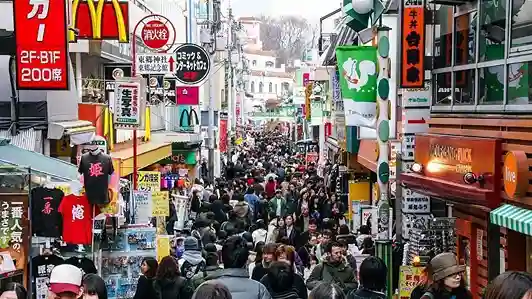
The 100 yen shop is a real institution in Japan, offering a unique and economical shopping experience. Whether you are looking for souvenirs or curious to discover the hidden treasures of these stores, a visit is necessary. Take advantage of this opportunity to bring home a small piece of Japanese daily life, without ruining yourself, and to closely observe the discreet ingenuity that characterizes the country.
If this article has brought you useful information and can help other travellers prepare for their stay, a Google review will always be appreciated. |
|
How long does it take to visit a 100 yen shop?
What is the best time to enjoy the 100 yen shop?
What budget for shopping in a 100 yen shop?
How to move between different stores without ruining yourself?
What should be the priority of a 100 yen shop?
What to do in a 100 yen shop if it rains during the tsuyu?
Discover more from Evasions Rebelles - Travel Planner Japon
Subscribe to get the latest posts sent to your email.