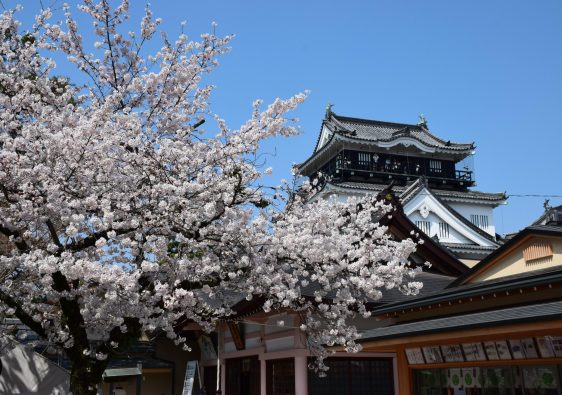
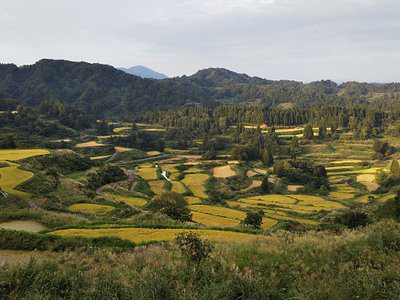
Nestled south of Ishikawa Prefecture, the Kaga Onsen region is home to several historic spas at the foot of majestic Mount Hakusan. This area, still little frequented by foreign visitors, offers a perfect balance between cultural immersion, relaxation in onsen and natural discoveries. This article offers a practical and detailed exploration of each place of major interest, to better plan a stay in this region.
Understanding the Kaga Onsen Region
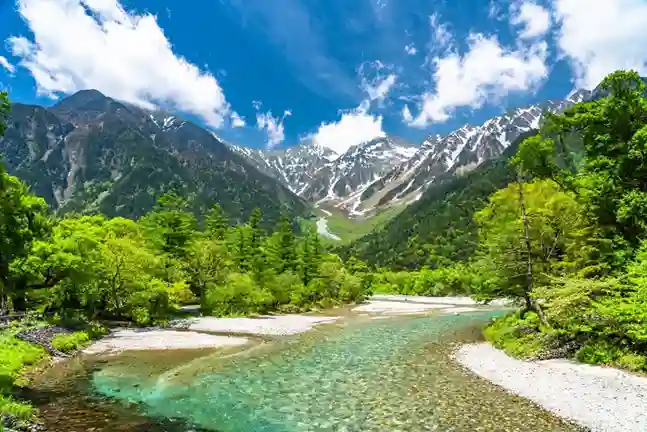
Kaga Onsen designates a set of four thermal villages: Yamashiro, Yamanaka, Katayamazu and Awazu. Each has its own identity, with thermal waters with therapeutic virtues recognized for more than 1300 years. The whole is surrounded by mountains, forests, gorges and sacred places like Mount Hakusan or the Natadera temple.
These villages are easily accessible from the Kaga Onsen station (line JR Hokuriku), with tourist buses such as the “Can Bus” which serve the main sites.
Yamashiro Onsen: public baths and artistic heritage
Yamashiro is known for its two emblematic establishments:Soy, popular modern bath of the inhabitants, and theKo-Soyu, faithful reconstitution of a Meiji period public bath. The Ko-Soyu, decorated with wood and traditional tile, includes a rest room upstairs, where one can extend the experience in a soothing atmosphere.
The benefits of its water are multiple: muscle pain relief, improved digestion, soothing skin problems. The city centre also offers pleasant walks among art galleries, ceramics and local cafes.
Yamanaka Onsen: Nature and Poetry along the Kakusenkei Gorges
Yamanaka is crossed by theKakusenkei gorges, where a landscaped path runs along a steep river bordered by maple trees. Here, the poet Matsuo Bashō marvelled at the landscapes and declared Yamanaka one of the best hot springs in the country.
TheKikunoyu, local public bath, is divided into two separate buildings for men and women, surrounded by a peaceful plot. In addition to the beneficial waters (blood circulation, joint pain, convalescence), Yamanaka offers an environment conducive to walking, contemplation and relaxation.
Katayamazu Onsen: Lake panorama and modernity
Katayamazu borders onLake Shibayamagata, known for its color changes throughout the day. From the baths of the ryokan or modern hotels, one can admire the reflection of theMount Hakusan, especially at sunset.
A central water jet flows every hour at 70 meters high, creating spectacular visual animation. A pier leads to a small sanctuary dedicated toBenten, divinity of music and fortune, illuminated every night with the fountain.
Awazu Onsen: Living History and Water Purity
Awazu is perhaps the most confidential of the four villages, but also the oldest. It houses theHoshi Ryokan, founded in 718 and operating for more than 1300 years, making it one of the oldest hotel establishments in the world.
The water of Awazu is clear, known to improve circulation and promote body regeneration. They can be appreciated in ryokan orSoy, a modern public bath appreciated by the inhabitants. This village is also linked to the foundation of the neighboring templeNatadera, bringing a spiritual dimension to the stay.
Natadera Temple: Spirituality and Natural Architecture
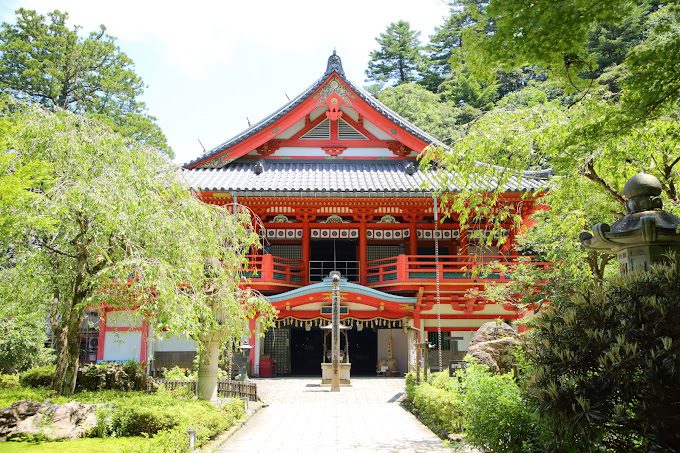
A few minutes from Awazu isNatadera, a temple founded in 717 by a monk in search of the divinity of Mount Hakusan. He discovered that this deity was none other thanKannon, the Buddhist goddess of compassion, and sculpted a wooden statue which became the main object of worship.
The site impresses with itscliff dug from meditation cavities, its buildings scattered in a garden of mosses, ponds and pines, as well as its stairs carved in the rock. It offers a peaceful place where the fusion of spirituality, nature and architecture is expressed.
The temple is accessible via theCan Bus Yamamawari RoadFrom Kaga Onsen station (50 minutes). It is also served by regular buses from Komatsu station (35 minutes).
Mount Hakusan: hiking and sacred
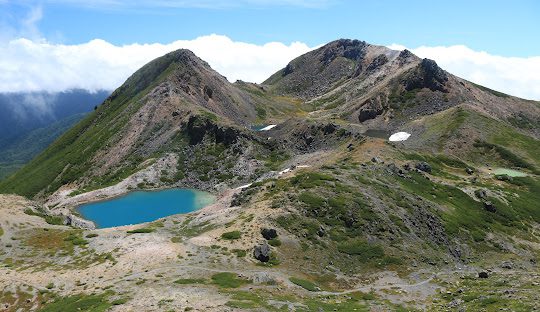
TheMount Hakusan, culminating at 2702 meters, is a sleeping volcano in the heart of theHakusan National Park. It is considered one of the three most sacred mountains in Japan, with Mount Fuji and Mount Tateyama.
The hiking season extends fromJune to October. The most popular path starts from theBettodeai Trailheadfor a round trip from 8 to 10 a.m. It is recommended to leave early and, if possible, have a vehicle to reach the starting point, as the buses are uncommon and their last passage takes place in the middle of the afternoon.
The small spaShiramine Onsen, located nearby, is a good starting point for hikers wishing to rest before or after the ascent.
Hakusan Shirakawago Road White Road: landscapes and waterfalls
Formerly calledHakusan Super RindoThis 33.3 km panoramic toll road connects the city of Hakusan (Ishikawa Prefecture) to Shirakawa-go (Gifu Prefecture). It winds through the mountains, culminating at more than 1400 meters.
It offersspectacular views,hiking areasandnumerous accessible waterfallsOn the road side. This is a remarkable alternative for motorized travelers wishing to discover the Japanese Alps at their own pace, while linking two major UNESCO listed sites: Hakusan and Shirakawa-go.
Explore the Kaga Onsen region is choosing a soothing Japan, rooted in centuries of spirituality, thermal culture and contemplation. Each village and trail reveals an authentic facet of the archipelago, to be discovered outside the frequented circuits. For those looking for relaxation, nature and history, this unknown corner of Hokuriku is worth a visit.
If this article has brought you useful information and can help other travellers prepare for their stay, a Google review will always be appreciated. |
|
Discover more from Evasions Rebelles - Travel Planner Japon
Subscribe to get the latest posts sent to your email.