Hiroshima is a destination that combines history, culture, nature and gastronomy. Known throughout the world for its past, the city is today a symbol of peace and resilience. In two days it is possible to discover its main sites, while devoting a day to the island of Miyajima, one of the most beautiful destinations in Japan.
What to see in two days in Hiroshima?
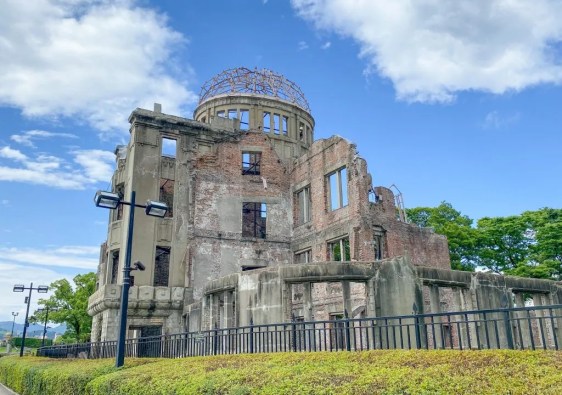
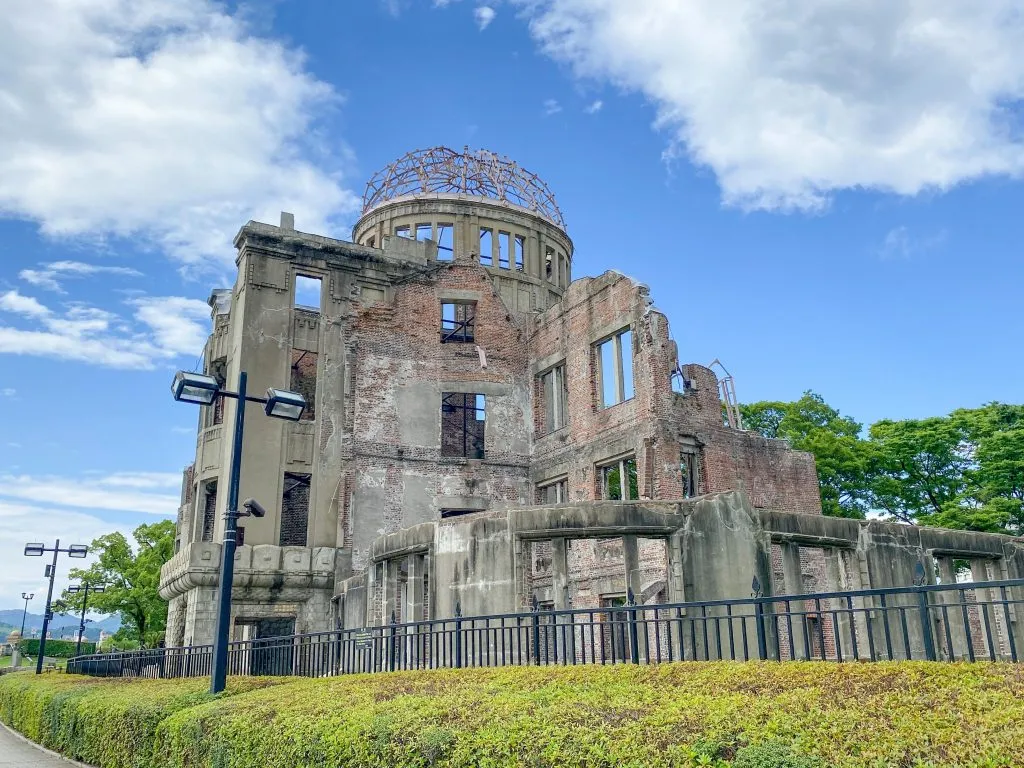
Even with a short stay, several sites deserve a visit. The Peace Memorial Park is the historic heart of the city. It brings together the famous Duomo of Genbaku, the only building located near the hypocentre to have partially resisted the 1945 explosion, as well as the Museum of the Peace Memorial, which traces the events of the Second World War and the consequences of the atomic bombing.
Hiroshima Castle, completely rebuilt after the war, allows you to discover the feudal history of the region. A few minutes’ walk is the Shukkei-en Garden, a beautiful Japanese landscaped garden offering a peaceful parenthesis in the heart of the city.
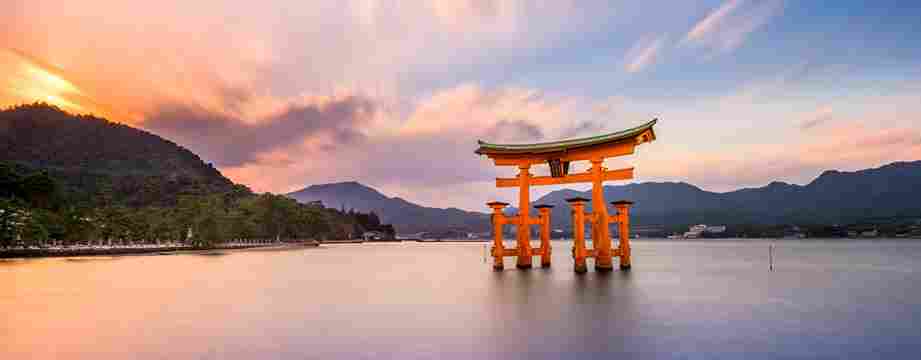
During a stay in Hiroshima, an excursion to Miyajima Island is essential. Renowned for its huge floating torii and the UNESCO World Heritage shrine of Itsukushima, the island also seduces by its natural landscapes, temples and walking trails.
Art lovers can complete their discovery by visiting the Hiroshima Museum of Contemporary Art, which presents temporary and permanent exhibitions of Japanese and international artists.
Day 1: Discovery of the historic center of Hiroshima
Start your stay with the Peace Memorial Park. Take the time to explore the various monuments, discover the Flame of Peace, the Cenotaph of the Victims and the Dome of Genbaku, which has become one of the most famous symbols of contemporary Japan. The visit of the Museum of the Peace Memorial then allows us to better understand the history of the city and its universal message for peace.
At lunchtime, enjoy a Hiroshima-style okonomiyaki. Unlike the Osaka version, the ingredients are superimposed and usually include noodles, cabbage, meat or seafood, all cooked on a hot plate.
In the afternoon, head for Hiroshima Castle. Its museum traces the history of the city before World War II and the evolution of the region during the Samurai era. Then continue your walk to the Shukkei-en Garden, one of the most beautiful traditional gardens in western Japan. Its ponds, bridges, artificial hills and pavilions invite you to a peaceful walk.
In the evening, join Hondori, the main shopping street of Hiroshima. There are many restaurants, cafes and shops. It is an excellent place for dinner and enjoy the lively atmosphere of the city centre.
Day 2: excursion to Miyajima Island
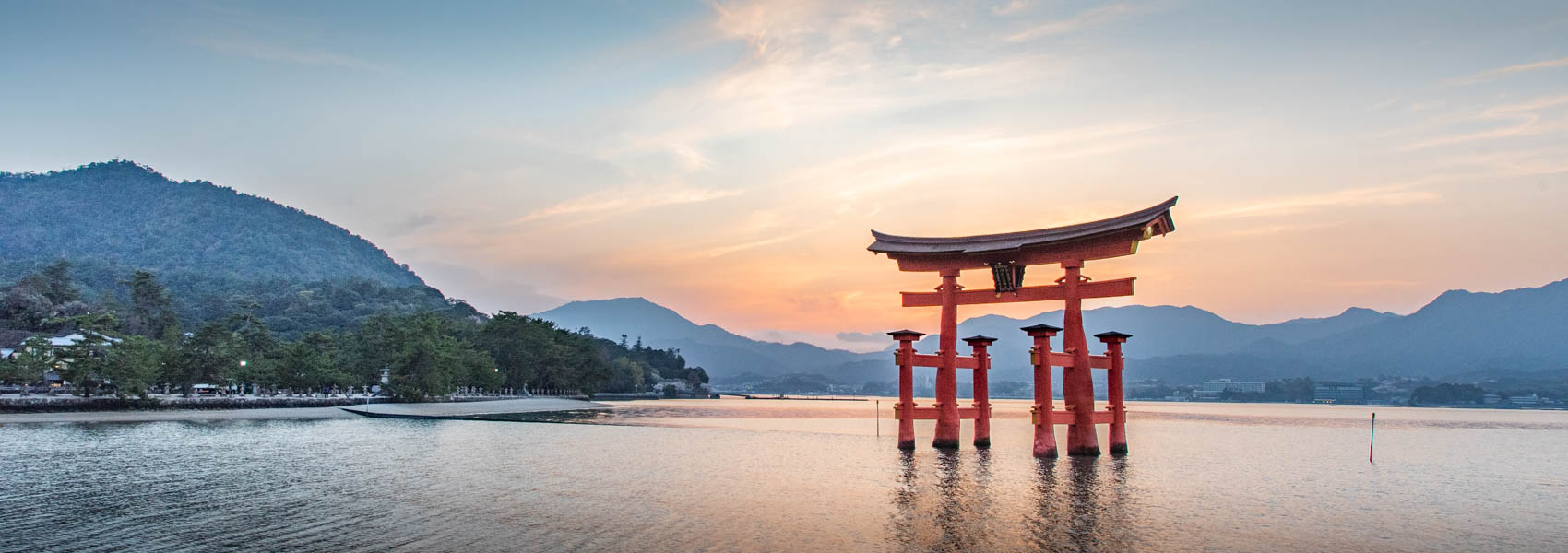
Spend your second day at Miyajima Island, easily accessible by train and then by ferry from Hiroshima. As soon as you arrive, you will see the famous vermilion torii that seems to float on the sea at high tide.
Take time to visit the shrine of Itsukushima, built on stilts and considered one of the most beautiful shrines in Japan. Then stroll through the shopping streets where you can enjoy several local specialities, including grilled oysters, momiji manju or eels.
If your schedule allows, use the cable car or hiking trails leading to Mount Misen. From its summit, the panorama of the inland sea of Seto and the many surrounding islands is remarkable.
Back in Hiroshima in the afternoon, you can visit the Museum of Contemporary Art or simply take advantage of the last moments of your stay to explore the shopping districts or relax in a café.
Practical tips for visiting Hiroshima in 2 days
The tram network is the most convenient way to travel in Hiroshima. It serves most of the main tourist attractions and makes it easy to reach the Peace Memorial Station or Park.
The city offers accommodation for all budgets, from traditional inns to modern hotels near the train station or the city centre.
On the gastronomy side, do not miss the okonomiyaki, the oysters of the inland sea of Seto, particularly famous in the region, as well as the sake produced in the nearby breweries of Saijō.
The climate is relatively mild throughout the year. Spring and autumn offer the most pleasant conditions to visit the city and island of Miyajima.
Finally, during your visit to the Peace Memorial Park and the museum, it is recommended to adopt a respectful attitude. These places of remembrance pay tribute to the victims and today constitute a powerful message for peace.
In two days Hiroshima discovers a face in Japan where history, culture and natural landscapes complement each other harmoniously. Between memory sites, gardens, culinary specialties and the beauty of Miyajima, this itinerary offers an excellent overview of one of the most important destinations in western Japan.
If this article has brought you useful information and can help other travellers prepare for their stay, a Google review will always be appreciated. |
|
Discover more from Evasions Rebelles - Travel Planner Japon
Subscribe to get the latest posts sent to your email.