Japan is famous for its spectacular blooms that attract visitors from all over the world every year. These ephemeral events, often associated with flowering cherry trees, are only the beginning of a rich and varied floral calendar. From sakura (end of March-early April) to momiji (end of October-December), to glycines (April-May) and Hokkaido lavender (June-August), each season brings its lot of natural splendor. Here is an overview of the blooms not to be missed during your trip to Japan.
Sakura: the flowering of Japanese cherry trees
The flowering of cherry trees, or “sakura” in Japanese, is one of the most anticipated events in Japan. Each spring, from the end of March until the beginning of April in most regions, cherry trees cover themselves with delicate flowers that create a dazzling white and pink show. Parks, temples and castles are stormed by the inhabitants and tourists who come picnic under the cherry trees in bloom during thehanami, or “watching flowers”. The flowering of cherry trees also marks the beginning of the new school year and is often associated with feelings of renewal and hope.
Depending on the region, theend of March (Tokyo, Kyoto) early May (Hokkaido, Tohoku). Count 1 to 2 weeks of full flowering per tree, and 2 to 3 weeks of total season depending on the varieties (Some varieties even bloom in autumn, as in the fall).jugatsuzakura).
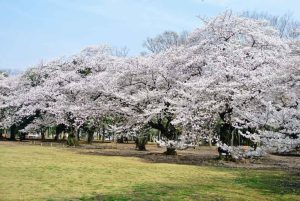
Do cherry trees in Japan bloom only in March-April?

Hanami before the Edo era: origins and evolution of cherry watching
The elegance of Japanese glycines
The flowering of the glycines, or “fuji” in Japanese, is another spectacular floral spectacle in Japan. These climbing vines produce clusters of violet, white or pink flowers that elegantly hang trellis and pergolas. Botanical gardens, temples and parks are often adorned with glycines, offering visitors a breathtaking and scented view. Flowering of glycines usually occursApril to May, often overlapping the flowering period of cherry trees and adding another layer of beauty to the Japanese spring landscape.
The most famous sites are theAshikaga Flower Park(Tochigi, 1 hour from Tokyo), theKawachi Fuji Garden(Fukuoka, Kyushu) andByodo-in(Uji, near Kyoto). Count 1,000 to 1,800 yen per season.

Lavender: color fields in Hokkaido
Hokkaido, Japan’s largest island, is known for its extensive lavender fields that hatch in the summer. Lavender fields, with their purple shades and enchanting fragrance, are a popular attraction for local and foreign visitors. The city ofBieiand theFurano, located in the center of Hokkaido, are particularly famous for their lavender fields, which reach their peakbetween late June and early August(pic around 15-20 July). These vast areas of color offer an unforgettable visual and olfactory experience for those who are lucky enough to visit them during their flowering.
TheFurano Lavender Festival(late June-early July) and theClose Tomita(Furano) are the most visited sites. Count 1,200 to 2,500 yen for a day of car rental, essential to explore the area.

Lotus: the ephemeral beauty of ponds
The ponds and marshes of Japan are often decorated with lotus, an aquatic plant with spectacular flowers. The flowering of the lotus, or “hasu” in Japanese, usually takes placeJune to late August, with a peak in July. Lotus flowers, often pure white or delicate pink, emerge elegantly from water and create a peaceful and serene picture. Traditional Japanese temples and gardens are often decorated with lotus pools, offering visitors a quiet refuge to meditate and recharge.
TheShinobazu Pond(Ueno, Tokyo),Byodo-in(Uji)Kenroku-en(Kanazawa) are among the most famous sites. The lotus flower opens in the morning and closes in the late afternoon: visit early to enjoy the show.

Momiji: the magic of autumn leaves
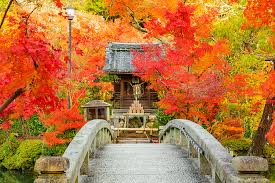
Momijis, or bright orange red autumn leaves, are another spectacular manifestation of nature in Japan. Every autumn, fromend October until December(pic in November in Kansai and Kanto, at the beginning of December in Kyushu), Japanese maple trees have bright colours that transform the landscapes into a symphony of red, orange and yellow. Momiji are particularly venerated in Japan for their symbolism of change and transition, and are often associated with activities such as forest walks, mountain hikes and visits to national parks.
TheMinoh Park, near Osaka, is known for its autumn colours, as well as Kyoto temples (Tofuku-ji, Eikan-do) and Mount Takao (Tokyo).

The different blooms in Japan offer a dazzling natural spectacle that delights the senses and nourishes the soul. Whether it is the flowering of the iconic cherry trees in the spring, the scented lavender fields in the summer, or the ponds decorated with serene lotus, each season brings its lot of beauty and wonder in the Japanese landscape. These ephemeral events testify to the richness of nature in Japan and offer visitors a unique opportunity to connect with the splendor of the natural world. And if you are planning your stay more broadly, don’t forget to consult our full guide to prepare your trip to Japan.
|
If this article has brought you useful information and can help other travellers prepare for their stay, a Google review will always be appreciated. |
|
Frequently asked questions about flowering in Japan
When to see the cherry blossoms in Japan?
Flowering of cherry trees (sakura)late March to early Aprilin the major cities (Tokyo, Kyoto, Osaka), and untilearly Mayin Hokkaido and Tohoku. Count 1-2 weeks of full flowering per tree. To maximize your chances, follow the forecasts of the Japanese weather agency (sakura-zensen) published in January. The parks of Ueno (Tokyo), Maruyama (Kyoto) and Hirosaki Castle (Aomori) are among the most spectacular.
Where to see the most beautiful lavender fields in Japan?
DirectorateHokkaido, and more specifically theFuranoandBiei. TheClose Tomita(Furano) is the most famous, with its fields as far as you can see. Flowering extends fromlate June to early August, with a peak around July 15-20. Count 1,200 to 2,500 yen for a car rental day (necessary to explore the region), and 0 to 500 yen for the entrance of farms (often free, sometimes paid for the most touristic fields).
When to admire autumn leaves (momiji) in Japan?
The momiji season extends fromlate October to early December, with a peak inNovemberKansai (Kyoto, Osaka) and Kanto (Tokyo). In Hokkaido, the season starts at the end of September; In Kyushu, it stretches until early December. The most famous sites are the Kyoto Temples (Tofuku-ji, Eikan-do), Mount Takao (Tokyo), Minoh Park (Osaka) and Himeji Castle. Count 500 to 1,000 yen entering temples.
Can we see flowers in Japan in winter?
Yeah, but they’re rarer.Plum trees (um) bloom fromend of January to March, before the cherry trees, and are particularly spectacular in Kairaku-en Park (Mito), Dazaifu Sanctuary (Fukuoka) and Kitano Tenmangu (Kyoto). Camellia (tsubaki) blooms from December to April, and some varieties of winter sakura (jumatsuzakura) bloom in October-November and sometimes in January. Count 300 to 700 yen entrance into plum gardens.
How much does a day of visiting flowers in Japan cost?
It all depends on the site and the season.Public parks (Ueno, Maruyama, Minoh): free.Private temples and gardens (Tofuku-ji, Byodo-in, Kairaku-en)500 to 1,500 yen.Ashikaga Flower Park(glycines): 1,000 to 1,800 yen depending on season.Lavender farms (Furano)0 to 500 yen. Add the transport (500 to 2,000 yen by train or bus depending on distance) and a lunch (1,000 to 2,000 yen). So count2,000 to 5,000 yen per personfor a full day, excluding accommodation.
Discover more from Evasions Rebelles - Travel Planner Japon
Subscribe to get the latest posts sent to your email.