
In Japan, alcohol consumption is an integral part of social, professional and festive life. Evenings between colleagues, lively izakayas, tiny bars or late karaokes are the rhythm of many stays. Faced with this well-established culture, the country has developed a range of solutions to help the body recover after an overwatered night. Konbini drinks, comforting dishes, fermented ingredients and even express medical care make up a true local know-how of recovery. For travellers, knowing these remedies not only makes it possible to live better his stay, but also to understand a concrete facet of the Japanese daily life.

Why hangover is taken seriously in Japan
Hangover is not seen as a mere passenger inconvenience. In a company where it is often expected to be operational in the morning, even after a late evening, it is essential to recover quickly. Dehydration, fatigue, headache and nausea are usually associated with the accumulation of acetaldehyde, a substance produced during the degradation of alcohol by the liver.
Japanese solutions therefore seek to act on several levers at once. Effective hydration, liver support, mineral intake and sweet digestion form the basis of the proposed remedies. This pragmatic approach explains the popularity of functional drinks and simple but targeted dishes.
The essential drinks of the konbini
Japanese supermarkets, open day and night, are often the first refuge after an evening. There are drinks specifically designed to accompany or monitor alcohol consumption.
Ukon no Chikara, literally “the power of turmeric”, is probably the best known. Sold in a small golden or silver bottle, it is designed to support the liver thanks to the anti-inflammatory properties of turmeric. Many Japanese consume it before drinking, but it remains used the next day in troubleshooting.
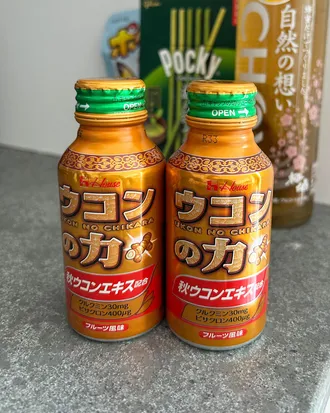
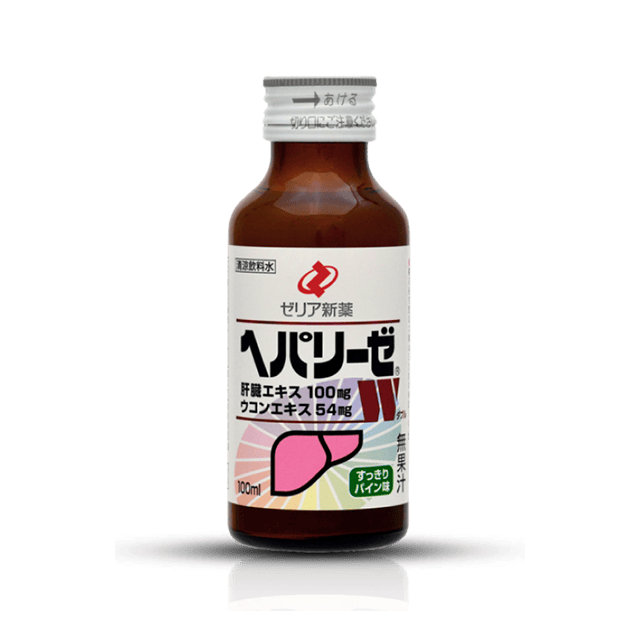
Hepalysis is another popular drink. It contains liver extracts, amino acids and vitamins to accelerate recovery. Its taste is more marked, but it is often chosen in case of intense fatigue.
Solmack is more in the category of digestive remedies. The purpose of this drink is to calm the stomach and limit the feeling of heaviness after excess alcohol.
Pocari Sweat and Aquarius, well known to travellers, play a key role in rehydration. Their electrolyte composition facilitates the absorption of liquids, which can help restore a better balance faster than with water alone.

Jelly energy drinks, called “in Jelly”, are also popular. Easy to consume even in case of nausea, they bring fast sugars and vitamins without overly demanding the stomach.

Traditional food remedies
Beyond industrial drinks, Japanese cuisine is full of simple and efficient solutions to recover smoothly.
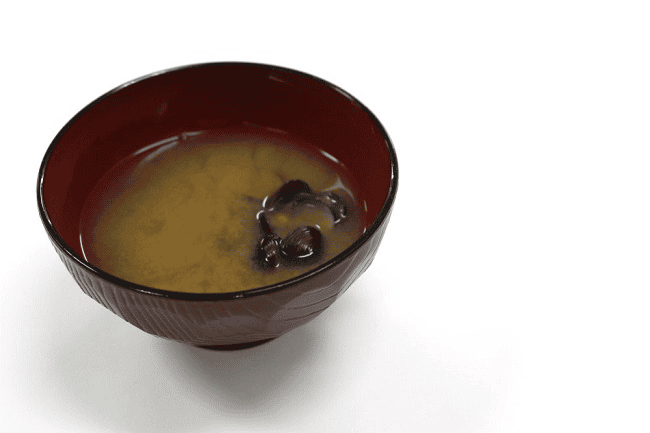
The miso soup with shijimi clams is one of the most emblematic remedies. These small freshwater clams are rich in ornithine and amino acids, known to support liver function. Consumed in the morning, this hot soup also helps to rehydrate and restart digestion.
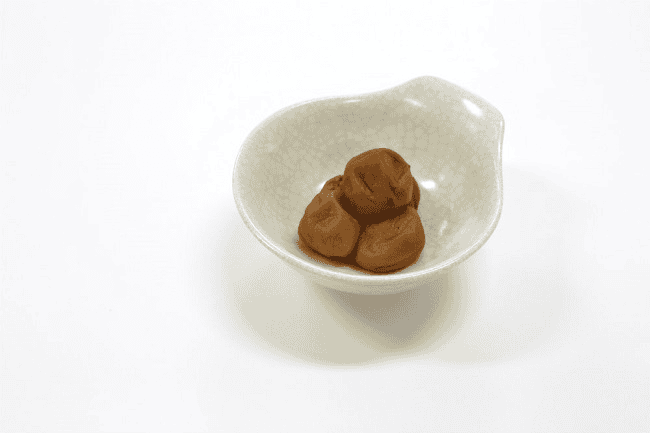
The salted and fermented plum Lumeboshi is known for its marked acidity. Rich in citric acid, it helps fight fatigue and can reduce nausea. It is consumed alone, with white rice or integrated in a light boil.
It is the comfort dish par excellence. Rice on which hot green tea or light broth are poured, accompanied by some simple toppings. Easy to digest, it is ideal for weak stomachs after a watery evening.

Classic miso soup, even without clams, remains a reliable option. Fermented foods that it contains provide enzymes and probiotics, useful for rebalancing the digestive system.
Natural fruits and beverages for recovery
Some fresh foods are also associated with post-alcohol recovery.
The khaki, an iconic Japanese autumn fruit, is rich in potassium, a mineral often diminished by alcohol consumption. It also contains catalase, an enzyme involved in the elimination of lacetaldehyde. When it is seasonal, it is a popular natural ally.
Green tea plays a double role. It hydrates while providing antioxidants that support the liver. Its mild caffeine content can also help alleviate headaches and the feeling of heaviness.
Express medical solutions
Japan also offers rapid medical solutions for difficult tomorrows or major professional constraints. Some specialized clinics offer intravenous infusions based on vitamins B and C, minerals and glutathione. This type of treatment aims to relieve symptoms in less than an hour.
These services are mainly present in large cities and remain a one-off option, rather reserved for severe cases. However, they show a very concrete and assumed approach to recovery after alcohol.
Practical tips for travellers
For a successful stay, it is advisable to anticipate. Buying a Ukon no Chikara drink before an evening allows you to test a common local practice. The next day, starting with progressive hydration, followed by a simple dish such as l
Since konbini are omnipresent, it is easy to find a solution quickly, even early in the morning. Adapting your visit programme in the event of fatigue also remains a reasonable approach, especially during a dense journey.
Japanese hangover remedies reflect a culture of pragmatism and balance. Without promising miracles, they combine hydration, targeted nutrition and respect for the body to regain energy faster. For travellers, discovering them is an integral part of Japan’s experience, as well as its iconic dishes or daily habits. Well prepared, even a difficult tomorrow can become an opportunity to explore an authentic facet of local life.
If this article has brought you useful information and can help other travellers prepare for their stay, a Google review will always be appreciated. |
|
Discover more from Evasions Rebelles - Travel Planner Japon
Subscribe to get the latest posts sent to your email.


