Nestled in the mountains of the Bingo region, the city of Joge (prefecture of Hiroshima) retains intact the spirit of the villages administered directly by the Shogunate. An ancient key step on the road to the silver transport of Iwami Ginzan, it offers today a rare immersion in the architecture, history and atmosphere of Japan of the Edo era. This article guides you through peaceful alleyways, preserved buildings and memories of a prosperous past.
The status of “tenryō”: a singular story
During the Edo period (1603-1868), Japan was divided into territories managed either by feudal lords (daimyō) or by the central government. Joge was one of those special territories calledtenryō, under the direct control of Tokugawa Shogunate. This strategic status was reserved for areas of high economic or military interest.
Joge’s importance was due to his position on Ginzan Kaidō, a land road used to transport silver extracted from the Iwami Ginzan mine to shipping ports. After the fall of the Mizuno family in 1698, Joge passed under direct administration of the Shogunate. In 1700 an official office was established there. The city prospered rapidly, supporting both the local economy and central government finances.
A city shaped by money and autonomy
Joge’s role in the economy of the Shogunate was considerable. It served as a logistics hub and administrative centre for the circulation of valuable resources. With an estimated production capacity of 20,000kokuJoge offered real support to the authorities of the time.
Notably, the city’s enrichment also allowed the development of independent local initiatives. Lenders of money, anxious to contribute to the education and well-being of the population, founded institutions such as the Gishū Foundation, active up to the Heisei era. Local governance, based on collective wealth, allowed to preserve heritage and know-how without dependent entirely on the imperial authorities.
Joge’s architectural heritage
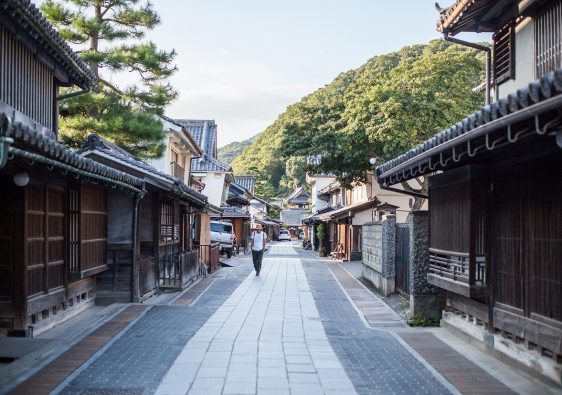
Walking around in Joge today is crossing a village frozen in time. The alignment ofmachiyawith white walls, traditional warehouses and old administrative buildings form a remarkably well preserved period decor. Far from the usual tourist routes, Joge offers a silent and immersive urban experience.
Among the emblematic places are the Okinaza Theatre, a wooden building used to perform kabuki, then transformed into a projection room during Shōwa. Today it hosts local events, including performances by Bingo Kagura.
The Kameyama Hachimangū shrine, close to the city centre, periodically hosts traditional rituals such as Yumi Kagura. Even out of season, its serenity and atmosphere make it a place for contemplation.
A human-sized cultural immersion
Far from being frozen in his past, Joge proposes a form of intimate tourism centered on the discovery of daily life in the Edo era. The rental of kimonos or yukatas allows visitors to extend the immersion while exploring the alleys. Somemachiyahave been rehabilitated to accommodate guests, creating sober and authentic accommodations.
The Joge History and Culture Museum, housed in the home of the novelist Okada Michiyo, traces the city’s logistical and literary past. For its part, Joge’s former post, dating from the Taishō era, now houses a gallery mixing crafts, period objects and tea salon.
Getting to Joge: practical information
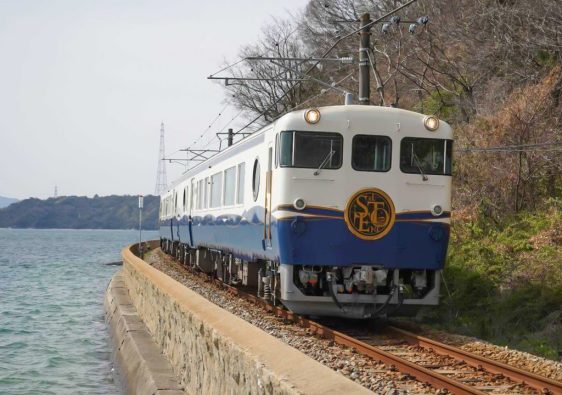
Joge is located in the town of Fuchū, north of Fukuyama. Its access requires some planning, especially if you use public transport. From the Fukuyama station (accessible by Shinkansen), you should take the Fukuen line towards Miyoshi and then get off at the Joge station. Since the correspondence is infrequent, it is recommended to consult the schedules in advance.
By car, Joge is accessible via several motorway interchanges: about 45 minutes from the Tojo, Shōbara or Miharakui exits, and 20 minutes from the Sera interchange.
This relative geographical isolation contributes to the tranquility of the city. Those who take the time to get there discover a peaceful atmosphere, far from the hustle and bustle of major tourist sites.
Extensions and excursions around Joge
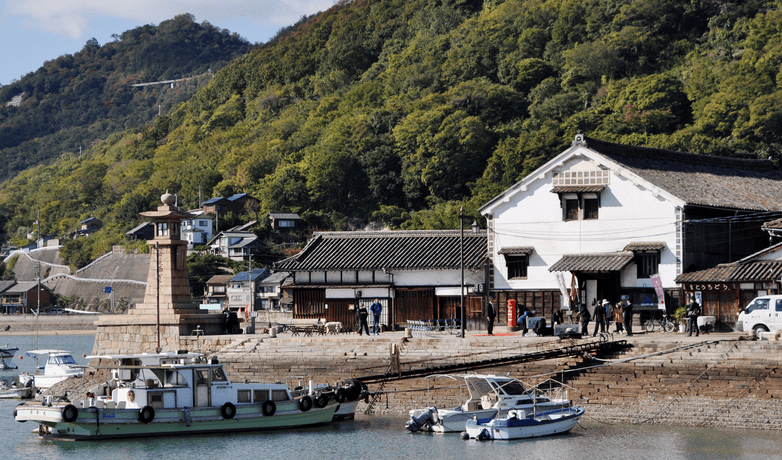
The surroundings of Joge are full of complementary destinations. Sera’s plateau (Sera Kōgen), famous for its seasonal flower fields, is a popular place in spring and autumn. Further south, Fukuyama leads to Tomonoura, a picturesque port that inspired the filmPonyoof Miyazaki.
Finally, a stop at Bingo-Yano station (a train stop from Joge) allows you to taste udon noodles in a café housed in the old station. A local and gourmet parenthesis in the heart of the Hiroshima countryside.
Joge is not a high tourist destination. And that is precisely what makes it its strength. Its unique history, its preserved heritage and its timeless atmosphere offer the curious a rural Japan, deeply rooted in its memory. A discreet destination, but notable for those who seek to understand Japan by its margins and silences.
If this article has brought you useful information and can help other travellers prepare for their stay, a Google review will always be appreciated. |
|
Discover more from Evasions Rebelles - Travel Planner Japon
Subscribe to get the latest posts sent to your email.