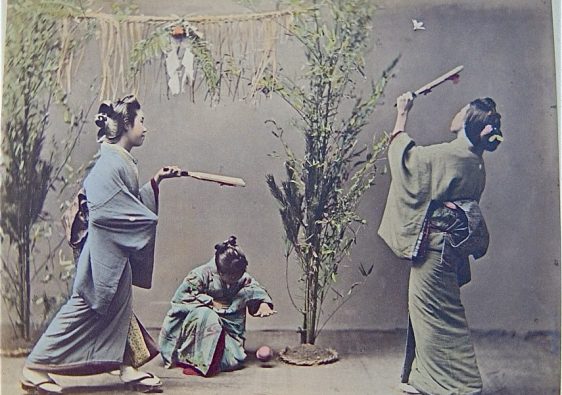
Among Japan’s landscape treasures, three gardens have been distinguished since the Edo era for their harmony, refinement and botanical richness: Kairaku-en in Mito, Kenroku-en in Kanazawa and Kôraku-en in Okama. Collectively called the “Nihon Sanmeien”, these gardens offer a dive into classical Japanese aesthetics, designed to awaken the senses and accompany the seasons along a journey thought of as an inner journey.
The art of garden circuit: an immersive experience
The three gardens belong to the styleTaiwanese, or walking garden. This type of landscaping is organised around a central body of water and winding trails, allowing visitors to discover different points of view while walking. Far from being frozen, these gardens offer a succession of scenes that evolve at the pace of travel.
Unlike contemplative gardens intended to be observed from a building, walking gardens invite you to walk. Each detour reveals a new perspective, a play of shadow and light, a plant composition, an architectural piece or a reflection in the water. These visual stagings are based on the seasons, each month offering a different palette, from plum blossoms to red maples in autumn.
Kenroku-en: the balance of the six elements
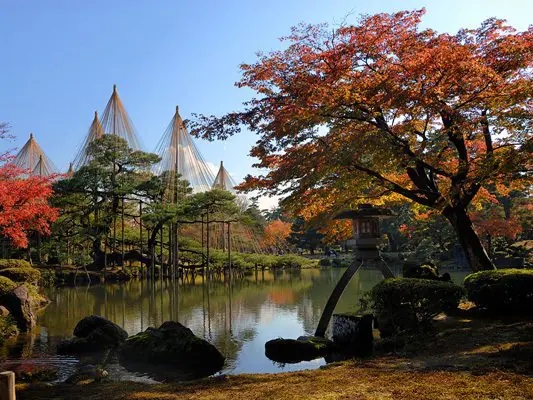
Kenroku-en, located in Kanazawa, Ishikawa Prefecture, is considered the most successful example of this style. Its name means “garden with six attributes”, with reference to the six ideal qualities of a garden according to Chinese tradition: space, isolation, fireworks, seniority, plenty of water and panoramas.
Created by the Maeda clan from the 17th century, Kenroku-en extends over more than 11 hectares. Visitors discover ponds, pavilions, stone bridges and aisles lined with lanterns. Kotoji Lantern, two feet away, is one of the symbols of the garden. In the winter, pine trees are supported by cone ropes, calledyukitsuri, to protect them from the weight of snow, adding to the winter elegance of the place.
Kenroku-en is close to Kanazawa Castle and close to several museums, making it a complete cultural stage in the city.
Kairaku-en: a garden for all

Kairaku-en is located in Mito, Ibaraki Prefecture. Founded in 1842 by Tokugawa Nariaki, lord of the Mito estate, this garden was designed according to an open philosophy. Its name, meaning “the garden of shared pleasure”, reflects the desire of the daimyô to create a space accessible to its subjects, whereas the gardens of the time were generally reserved for elites.

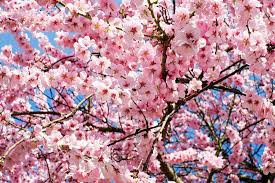
The garden is especially famous for its 3,000 plum trees of more than 100 varieties, which bloom at the end of the winter and attract many visitors every year. In addition to the plum trees, Kairaku-en offers an interesting botanical diversity, with cherry trees, azaleas, bamboos and cedars that draw a changing atmosphere over the seasons.
The garden also includes a building called Kobundei, where literary and musical events were held in the past. Its simple and open architecture fits perfectly into the surrounding landscape.
Kôraku-en: natural theatre around the castle
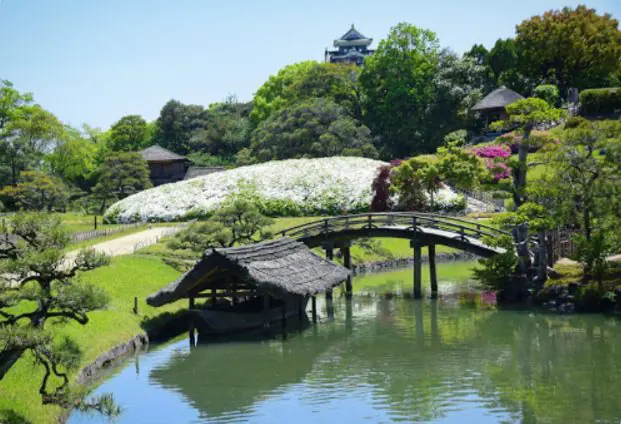
Kôraku-en is located in Okama, in the Chugoku region. Created in the early eighteenth century by Lord Ikeda Tsunamasa, it served as a place of relaxation and representation. Theatre shows were regularly organized, sometimes even performed by the Lord himself.
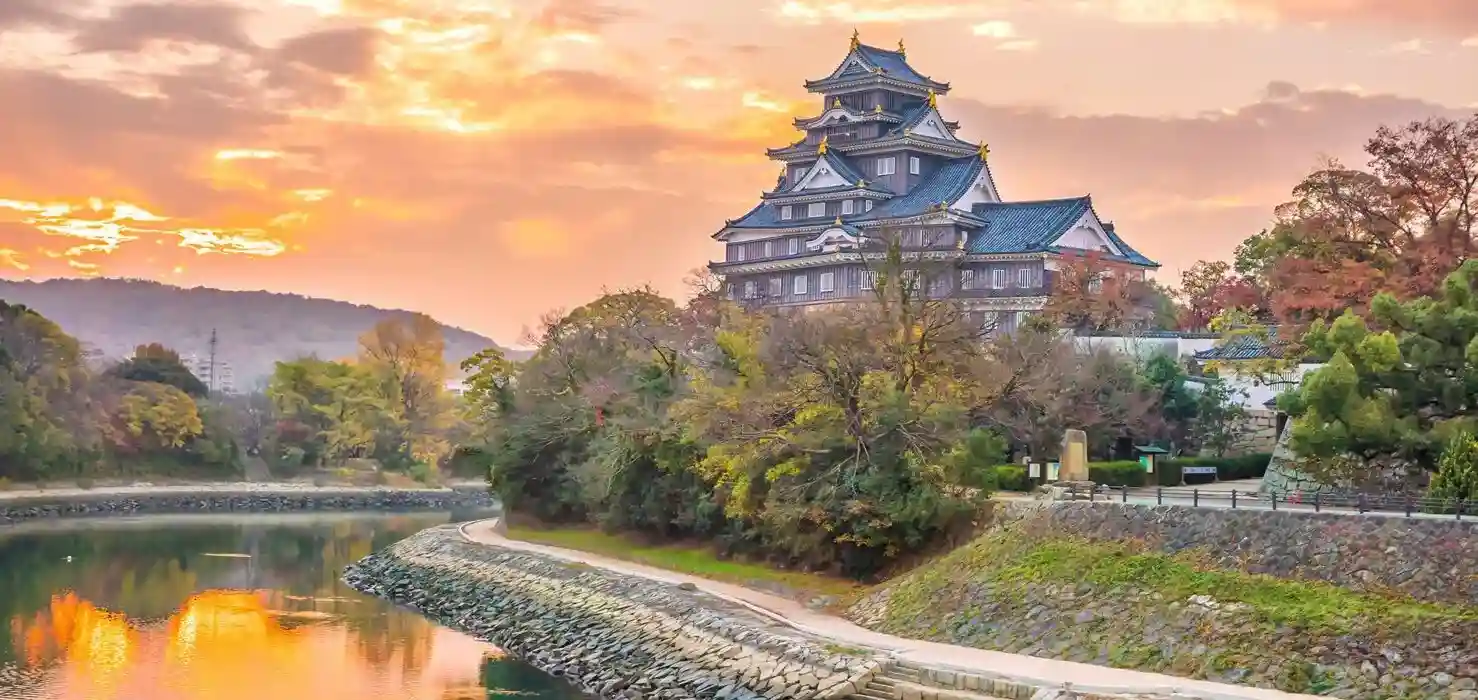
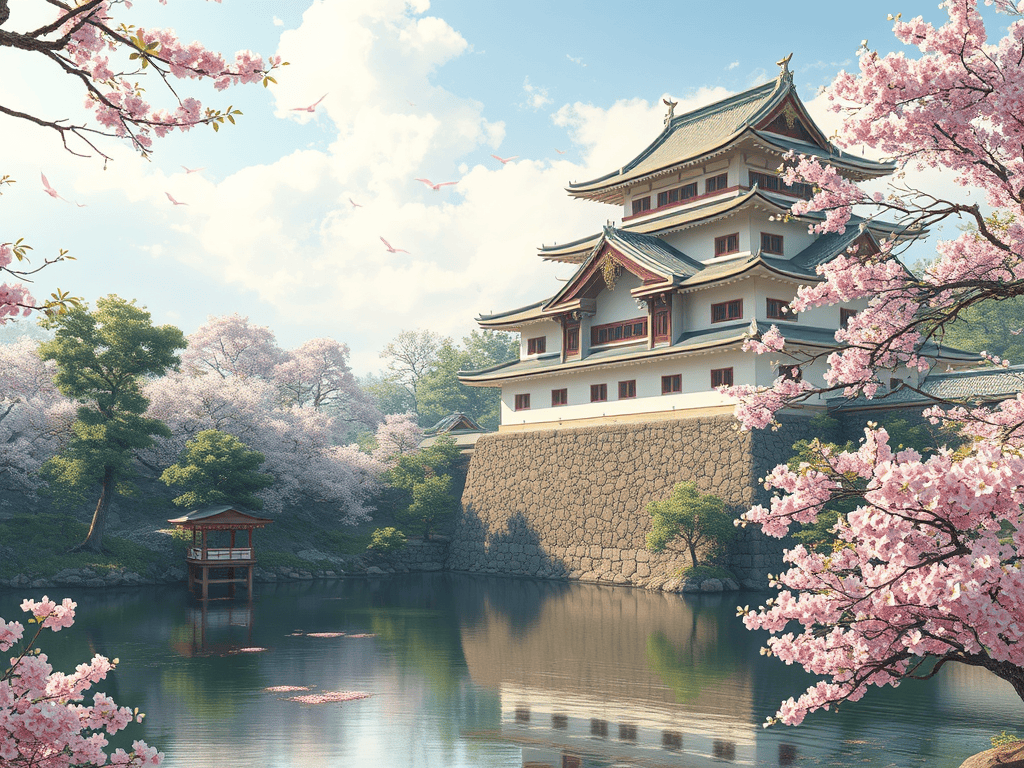
The garden extends over a large area and offers an alternation of vast lawns, ponds, pavilions and streams. What distinguishes him is his direct proximity to the castle of Okayama, visible from several points in the garden and reflected in the calm waters of the Sawa-no-ike pond. The setting between nature and architecture is particularly careful.
Kôraku-en suffered destruction during the floods of 1934 and then the bombings of 1945, but it was restored faithfully thanks to documents of the time. Today, it still retains its original layout and illustrates the Japanese idea of a controlled yet alive landscape.
Visiting the three gardens: practical tips
Kenroku-en, Kairaku-en and Kôraku-en can be visited throughout the year, each offering a different face depending on the season. For a first approach, winter at Kenroku-en is spectacular thanks to theyukitsuri, while the flowered plum trees of Kairaku-en attract botanical enthusiasts as early as February. Kôraku-en, with its large lawns, is pleasant in spring or autumn.
The three sites are accessible by public transport from the major cities. Shuttles or bus lines connect the main stations to the entrances to the gardens. It is advisable to schedule between an hour and a half and two hours for each visit, in order to fully enjoy the setting and the possible breaks in the pavilions or tea rooms.
Each of the gardens has a modest entry rate, usually less than 500 yen, sometimes free according to schedule. Discounts are offered to children, students or the elderly.
A living legacy of the Edo era
These three gardens are not mere historical remains. They are still today places for walks, contemplation and cultural events. Some host night lights, traditional music concerts, or floral exhibitions. The link with nature and seasons is always celebrated.
Understanding these gardens is also about approaching an essential part of Japanese culture: that of slow gaze, attention to detail and harmony sought between the human world and the living. These are spaces designed for the moving body and the awakening mind, far from any agitation.
Explore Kenroku-en, Kairaku-en and Kôraku-en, follow the footsteps of the poet lords of the Edo era and discover the evocative force of a landscape designed for wonder. Time seems suspended, steps agree with nature, and each detour tells a silent story.
If this article has brought you useful information and can help other travellers prepare for their stay, a Google review will always be appreciated. |
|
Discover more from Evasions Rebelles - Travel Planner Japon
Subscribe to get the latest posts sent to your email.