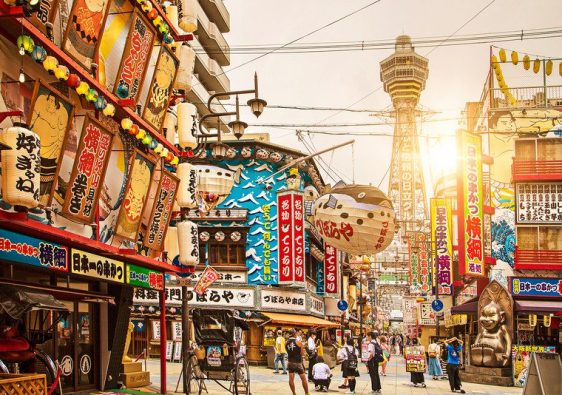
In the heart of Kyoto, between the famous temples and the streets full of history, lies a unique and fascinating place: Horinji, often nicknamed the “daruma temple”. This spiritual site, less known than Kinkaku-ji or Fushimi Inari-taisha, offers a dive into Japanese art, culture and Buddhist beliefs. With its thousands of darumas figurines, it is a must for visitors curious to discover an authentic and spiritual Japan.
Horinji History: An Ancient Tradition
Founded in the eighth century, Horinji is a Buddhist temple affiliated with the Rinzai Zen School. Although its architecture has evolved over the centuries, its spiritual and cultural role remains intact. This temple is particularly associated with Bodhidharma, the founder of Zen, whose famous darumas figurines are a representation.
Darumas, recognizable by their round shape and expressive face, symbolize perseverance and success. This association with Horinji makes it a place of pilgrimage for those seeking to achieve their goals or to find spiritual comfort.
Darumas: symbols of perseverance and luck
Darumas, ubiquitous within the Horinji, are more than just decorative objects. According to tradition, these figures are used as talismans. Visitors look at the daruma by making a wish or goal. Once the latter is realized, they draw the second eye to mark the fulfilment of their wish.
In Horinji, thousands of darumas, large and small, are arranged in the main sanctuary and around the gardens. Each tells a unique story, reflecting the aspirations and successes of the visitors who left them as an offering.
A unique spiritual experience
The Horinji offers more than just a glimpse of the darumas. It is a place where spirituality and tranquillity intertwine. The monks of the temple regularly organize ceremonies and rituals to bless the darumas and their owners, thus strengthening the link between visitors and Buddhist traditions.
For travellers, these rituals are a rare opportunity to witness authentic spiritual practices, far from the bustle of the more frequented temples of Kyoto.
A serene architecture
The Horinji, although modest in comparison to sites like the Kiyomizu-dera, seduces by its simple and harmonious architecture. The main buildings, built of wood, are surrounded by carefully maintained gardens. These green spaces, which change over the seasons, add an additional dimension to the visit.
The main pavilion, where most of the darumas are located, is a soothing space, inviting reflection and meditation. Visitors can light incense and pray for the fulfilment of their wishes.
Horinji seasons: a renewed show
Like many Japanese temples, the Horinji offers a unique show every season. In the spring, the cherry blossoms surrounding the temple create a magical atmosphere, while summer brings an explosion of greenery. In autumn, maple trees tint the gardens with red and golden shades, offering an ideal setting for photography. Winter, with its light snow, turns the temple into an immaculate haven of peace.
These seasonal changes reinforce Horinji’s appeal and encourage visitors to come back and discover the site from a new angle.
Events at the Daruma Temple
Horinji is also famous for its annual festivals. One of the most important is theDaruma Kuyo, a ceremony dedicated to the darumas. At this event, the ancient figures are collected and burned during a sacred ritual, symbolizing a new beginning and gratitude for the wishes fulfilled. Visitors can also purchase new darumas for the coming year.
This festival attracts hundreds of faithful and curious, offering a unique opportunity to dive into Japanese culture.
Explore the surroundings of Horinji
Horinji is ideally located in Arashiyama, a popular area of Kyoto. After visiting the temple, visitors can explore other nearby attractions.
The bamboo forest of Arashiyama
A few minutes from the temple, the famous bamboo forest offers an immersive walk in the heart of nature. This iconic place is perfect for relaxing after a spiritual visit.
The Togetsukyo Bridge
The Togetsukyo Bridge, which crosses the Katsura River, is another emblematic site of Arashiyama. It offers stunning views of the surrounding mountains, particularly beautiful in autumn.
The hot springs of Arashiyama
For those who wish to extend their relaxation experience, the onsen of Arashiyama offer a complete immersion in the Japanese tradition of thermal baths.
How to visit Horinji
Access
Horinji is a 15-minute walk from Saga-Arashiyama Train Station. Visitors can also rent bicycles to explore the surroundings at their own pace.
Schedules and rates
The temple is usually open from 9am to 4:30pm. Admission is free, but donations are encouraged to support site maintenance and religious activities.
Practical advice
- Come early to avoid crowds, especially during tourist seasons.
- Respect the calm of the place, for the temple is an active place of prayer.
- Don’t forget to buy a daruma on site to fully experience it.
Why include Horinji in your Kyoto route
The Horinji, with its iconic darumas, peaceful atmosphere and rich cultural heritage, is a hidden gem that deserves a place in your itinerary. Whether you are looking for spirituality, history or just a moment of calm, this temple will offer you a unique experience.
To visit the Horinji is to discover a different side of Kyoto, far from the beaten path, while diving into the deep soul of Japanese Buddhism. A visit that will remain engraved in your memory and which, perhaps, will help you achieve your own wishes.
If this article has brought you useful information and can help other travellers prepare for their stay, a Google review will always be appreciated. |
|

Learn more about preparing your trip to Japan
Discover more from Evasions Rebelles - Travel Planner Japon
Subscribe to get the latest posts sent to your email.