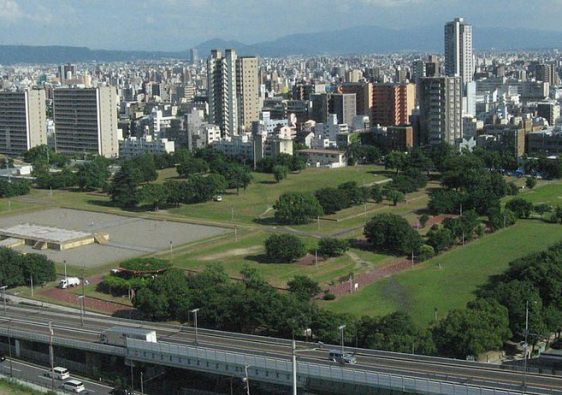
Kyoto, Japan’s former imperial capital, is a city where the past and present coexist harmoniously. Saved by the ravages of the Second World War, it preserved its rich architectural and cultural heritage. With more than 2,000 temples, peaceful gardens and historic alleyways, this city is a fascinating immersion in Japanese culture.
How many days to visit Kyoto?
To enjoy Kyoto, 7 days are ideal. This allows you to explore its iconic places, to venture into less touristic areas and discover its charms at a relaxed pace. If you have less time, you can still enjoy the strengths in three or four days. But Kyoto, with its infinite wealth, will certainly make you want to come back.
Best time to visit Kyoto
Autumn, between late October and early December, is probably the most popular season. Maples are lined with flamboyant red, creating postcard landscapes. Spring is also beautiful, especially when cherry trees bloom in March-April. However, summer is often suffocating and rainy, while winter, though cold, offers a unique charm with its sometimes snowy landscapes.
What to do in Kyoto in 7 days
Day 1: Downtown Kyoto
The Kyoto centre is full of points of interest accessible on foot or by transport.
- Kyoto stationMore than just a train station, this complex houses a free observatory, shops, and the famous Kyoto Ramen Street.
- Kyoto Tower: View the panoramic view from this iconic tower.
- Nijō CastleDiscover this Tokugawa shogun residence, with its gardens and famous floors that “sing” under your feet.
- Imperial Palace: Walk in its perfectly maintained gardens.
- Nishiki Market: A must to taste local specialities and buy souvenirs.
- Higashi and Nishi Hongan-ji Temples: Near the station, these Buddhist temples are often little frequented.

Day 2: East Kyoto (Higashiyama)
The Higashiyama district is a historic treasure, to explore on foot.
- Path of the Philosophers: A peaceful walk along a cherry-lined canal, connecting the Silver Pavilion (Ginkaku-ji) with other temples.
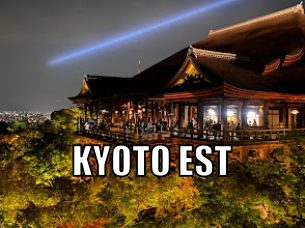
- KiyomizuderaThis temple, perched on a hill, offers spectacular views of the city.
- Yasaka Pagoda: Photographic symbol, this pagoda is located in a picturesque historical district.
- Gion and Pontocho: Take a stroll through these neighborhoods to see a geisha or a maiko.
- Sanjo and ShijoIdeal for shopping and observing the architecture of the Meiji era.
Day 3: Higashiyama and its hidden treasures
Continue exploring the east of Kyoto, between temples and parks.
- Yasaka Shrine: Located in the heart of Gion, it is a living place of worship.
- Maruyama Park: A popular spring spot for cherry blossoms.
- Chion-in: Impressive temple with the largest wooden door in Japan.
- Heian Shrine: Recognizable by its huge torii, it is famous for its gardens.
- Nanzen-ji: A Zen complex with a brick aqueduct, perfect for photography lovers.
- Eikan-do: A splendid temple, especially in autumn.
Day 4: South Kyoto

Discover the south of the city, an area marked by emblematic temples.
- Tō-ji TempleWith its 55-metre pagoda, it is a jewel of Buddhism.
- Temple Tōfuku-ji: Known for its bridges and red maples in autumn.
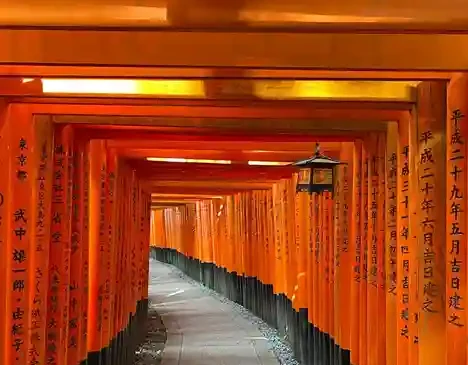
- Sanctuary Fushimi Inari: Cross the famous red tori tunnels, a striking spectacle.
- City of Uji: A few minutes by train, Uji is famous for the Byodo-in temple, which appears on the 10 yen coins, and for its exceptional green tea.
Day 5: Kyoto West (Arashiyama)

Arashiyama, located to the west, is a must for its nature and soothing atmosphere.
- Bamboo forest: An iconic walk between majestic bamboos.
- Tenryū-ji Temple: With its Zen gardens and peaceful pond.
- Togetsukyō Bridge: View the Katsura River from this historic bridge.
- Otagi Nenbutsu-ji: Unique temple with 1,200 rakan statues.
- Kimono Forest: An artistic installation highlighting kimonos motifs.
Day 6: North Kyoto

The north of Kyoto is full of emblematic and peaceful places.
- Kinkaku-ji Temple (Golden Pavillon)This building covered with gold leaves is one of the most famous in Japan.
- Ryan-ji Temple: Known for its zen dry garden.
- Ninna-ji Temple: Less touristic, it offers an appreciable tranquility.
- Mount Kurama: For a day of hiking and immersion in nature.
Day 7 : Excursion in Nara
Finish your stay with a trip to Nara, 45 minutes from Kyoto.
- Nara Park: Meet the sacred deer who walk freely.
- Tōdai-ji Temple: Admire the largest bronze statue of Buddha in the world.
- Kasuga-taisha Shrine: Famous for its stone and bronze lanterns.
Practical advice
- Transport: Use the bus, subway or bike to get around. The Kyoto City Bus Pass is very convenient for a day.
- Train ticketsBuy them in advance if you plan to explore the surrounding area.
- HousingChoose a ryokan for an authentic experience, or an Airbnb if you travel with your family.
- RestorationExplore izakaya, traditional coffees and markets for local dishes.
With this itinerary, you will discover not only the iconic sites of Kyoto, but also its more discreet corners, where magic always works. Cetecity will seduce you with its timeless charm, enchanting landscapes and inexhaustible cultural richness.
If this article has brought you useful information and can help other travellers prepare for their stay, a Google review will always be appreciated. |
|
Discover more from Evasions Rebelles - Travel Planner Japon
Subscribe to get the latest posts sent to your email.