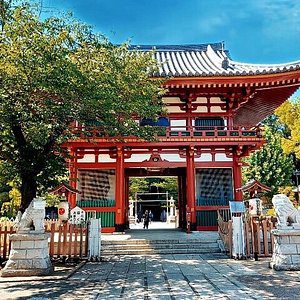
Japan is a destination that seduces travellers for its culture, landscapes and gastronomy. Japanese cuisine, registered with UNESCO’s intangible cultural heritage, reflects ancestral know-how and particular attention to detail. If tasting local dishes in restaurants is an essential experience, learning how to prepare them yourself offers a unique immersion in Japanese culture.
Taking cooking classes in Japan not only discovers the secrets of iconic recipes, but also chats with passionate locals. Here is an overview of the types of courses available and the reasons to try this experiment.
Types of cooking classes in Japan
Traditional Japanese cooking class
Japanese cuisine, orWashoku, is based on the balance of flavors and the enhancement of seasonal ingredients. Traditional cooking classes will teach you how to prepare dishes such as sushi, sashimi, miso soup or tempura.
These courses often include an introduction to the basics of Japanese gastronomy, such as the use of dashi (bouillon), mirin (sweet rice wine) or soy sauce. Participants also discover the importance of cutting techniques and the presentation of dishes, essential in this kitchen.
Specialized courses in ramen and gyozas
The ramen, these noodles served in tasty broth, and the gyozas, small grilled ravioli, are among the favourite dishes of Japanese and visitors. Many workshops offer to learn how to make these iconic dishes from scratch.
In ramen classes, you will discover how to prepare the broth, cook the noodles to perfection and assemble the fillings. Gyoza classes, on the other hand, emphasize the art of folding ravioli and cooking techniques to obtain a crispy texture on the outside and mellow inside.
Japanese pastries and confectionery courses
Japanese desserts, orwagashi, are often associated with tea ceremonies. Their preparation requires patience and precision. Wagashi classes allow you to learn how to make sweets such as daifuku (mochi stuffed with red bean paste), dorayaki (pancakes garnished) or yokan (sweetly frozen with agar-agar).
These workshops usually include an introduction to Japanese aesthetics, where each creation is designed to evoke a particular season or emotion.
Course on Shojin ryori, vegetarian Buddhist cuisine
For lovers of vegetarian or vegan cuisine, shojin ryori, or temple cuisine, is an essential discovery. These dishes, served in Buddhist monasteries, are prepared from simple ingredients such as tofu, seasonal vegetables and algae, in full respect of nature.
Learning to cook Shojin ryori offers a unique spiritual experience, often accompanied by a visit to a temple and meditation.
Where to take cooking lessons in Japan
Tokyo
The Japanese capital is full of kitchen schools adapted to all levels. You will find workshops in neighborhoods like Shinjuku, Asakusa or Tsukiji, where fish markets provide fresh products to prepare sushi.
Some courses also include a guided tour of the local market before the cooking session, allowing you to better understand the ingredients used.
Kyoto: The cradle of kaiseki cuisine
Kyoto is renowned for its refined gastronomy, including kaiseki cuisine, a meal made up of several small dishes, balanced and beautifully presented. Many courses are offered in traditional houses or machiya, offering an authentic atmosphere.
It is also in Kyoto that you can learn to prepare the Shojin ryori, in connection with the many Buddhist temples of the city.
Osaka: the capital of street food
Known as the “Japanese cuisine”, Osaka is the ideal place to initiate Japanese street food. Cooking classes often focus on local specialties such as the takoyaki (poultry bowls) and the l-konomiyaki (crêpe garnished).
The teachers, often warm and passionate, enthusiastically share the secrets of these popular dishes.
Hokkaido: seafood and regional cuisine
In Hokkaido, cooking classes highlight seafood and local specialties such as crab, seafood and fresh vegetables. Some workshops also propose to discover the fermentation techniques used to prepare miso or tsukemono (marinated vegetables).
Why take cooking lessons in Japan
Practical and rewarding learning
Taking a cooking class allows you to discover techniques and tricks that you can easily reproduce at home. Local chefs are often delighted to share their expertise and answer questions from participants.
An authentic cultural immersion
Beyond culinary learning, these workshops offer a dive into Japanese culture. You will learn more about traditions, local ingredients and the importance of seasonality in Japanese gastronomy.
A user-friendly activity
Cooking classes in Japan are also a great opportunity to meet other travellers who share your passion for gastronomy. Groups are often small, allowing user-friendly and personalized interaction.
A unique memory to take home
Nothing like being able to prepare Japanese dishes for your friends or family on your way home. Courses often include detailed recipes, and some even offer a certificate of participation or small surprises such as Japanese utensils.
Tips for choosing a cooking class in Japan
Check language options
Most cooking classes in Japan are offered in English, but it is always good to check in advance. Some workshops also offer translations into other languages or instructions in Japanese with visual support.
Focus on small groups
For a more rewarding experience, choose courses with a limited number of participants. This ensures personalized attention and more time to ask questions.
Learn about ingredients
If you have food restrictions or allergies, make sure the course can take them into account. Shojin ryori courses are particularly suitable for vegetarian or vegan diets.
Book in advance
Popular cooking classes, especially in large cities such as Tokyo or Kyoto, are quickly filling up. Book in advance will allow you to guarantee your place and better organize your travel itinerary.
An unforgettable culinary experience
Taking cooking classes in Japan is much more than just an activity: it is a total immersion in the Japanese art of living. Whether you are passionate about gastronomy or simply curious, these workshops will leave you unforgettable memories and skills that you can share with your loved ones.
Learning to cook in Japan is also about opening up to a new way of thinking about food, based on harmony, seasonality and respect for ingredients. An experience that will certainly enrich your journey and love for Japanese culture.
If this article has brought you useful information and can help other travellers prepare for their stay, a Google review will always be appreciated. |
|

Learn more about preparing your trip to Japan
Discover more from Evasions Rebelles - Travel Planner Japon
Subscribe to get the latest posts sent to your email.