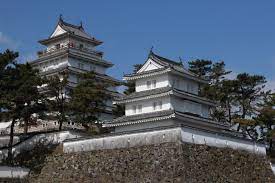
Situated on the island of Kyûshû, the prefecture of the city is famous for its hot springs, traditional crafts, mountainous landscapes and historic cities. In three days it is possible to discover several facets, between local heritage, thermal experiences and cultural walks. This itinerary offers a convenient loop from Fukuoka, ideal for a short stay combining nature, relaxation and immersion in Japanese local life.

Access and transport to Ôita
The prefecture of the city is accessible from Fukuoka by shinkansen or by express train via the lines of JR Kyûshû. It takes about two hours to travel according to the city of departure (Oita, Beppu, Taketa or Usuki).
Connections between the cities of Díoita are effective. The local bus and train network allows you to explore major sites without needing a car. For a freer experience, car rental remains an interesting option in rural areas like Taketa.
Day 1: Taketa, feudal city and hidden treasures
Nestled on the southwest edge of the prefecture, Taketa offers an immersion in rural Japan with a rich historical past. Former fortified city, it preserves alleys lined with traditional houses, small temples and remains of its castle.
One of the musts is theHime Daruma workshop, where we discover the traditional local dolls. These red figures, from a legend dating back to the Shogunate, are handcrafted and carefully decorated. The workshop sometimes offers demonstrations and workshops.
The city centre runs on foot. Among the places not to be missed: torii driveway leading to a sanctuary perched in the heights, often wrapped in morning mist, and the old restored public baths.
Winter gives Taketa a felted atmosphere, reinforced by the surrounding snowy mountains. It is also the ideal season to enjoy less frequented hot springs in the area’s ryokans.
Day 2: Beppu, the capital of onsen
By joining Beppu from Taketa, the contrast is striking. Beppu is one of Japan’s most famous spa resorts, famous for its volcanic fumes, public baths and geothermal landscapes. The urban atmosphere is close to natural phenomena, especially in neighbourhoods ofKannawaandMyôban.
Afternoon can start with a visit to theUmi Jigoku, literally “hell of the sea”. This cobalt-blue basin of boiling water is one of the most impressive among the “Beppu hells” (jigoku meguri), spectacular geothermal sites to observe rather than experiment with.
A walk in Kannawa allows you to discover the typical architecture of the bath houses and the cobbled alleys where steam escapes from the sidewalks. In Myôban, straw huts used for the production of source salt are characteristic and illustrate the ancient link between local life and thermal activity.
Beppu is also known for its local cuisine, including steamed dishes from hot springs (jigoku mushi). A stop in a small traditional restaurant allows you to experience this specialty.

Day 3: Usuki, feudal atmosphere and spirituality
From Beppu or Ôita, it’s easy to reach the city ofUsukisouth-east of the prefecture. Known for its Buddhist remains and its preserved historical centre, Usuki deserves a full day.
The city has an ancient neighborhood with paved streets, with samurai residences, temples and gardens. It is possible to rent a kimono for a walk in the alleys, which adds an immersive dimension to the visit.
One of the strengths of Usuki is the presence ofStone buddhas(Usuki Sekibutsu), a collection of Buddhist sculptures carved from the Heian period rock. This site is exceptional in Japan because of the fineness of its statues and its outdoor layout in a wooded landscape.
If the time is short, the walk in the city center already allows to capture the essence of Usuki. Some temples are usually closed to the public but can be accessed with a local guide.
Where to stay in Oita
The prefecture offers a variety of accommodation: modern hotels, traditional inns, ryokans with onsen, and affordable accommodation for solo travellers.
In Taketa, a few family ryokans allow to spend the night in a peaceful setting, with meals and hot baths included. In Beppu, the offer is more diversified, from business hotel to thermal complex. TheJR Kyûshû Hotel Blossom Oita, located near the train station of Ôita, offers a panoramic view and a spa in height appreciated to relax after a day of visit.
Practical tips for organising your itinerary
Planning this type of trip requires a proper arrangement of travel times, train schedules and accommodation. Here are some useful points:
- Starting in Taketa helps avoid the crowd of large spas and quickly dive into a more confidential Japan.
- Beppu can be accessed directly from Taketa or via the d’Ôita station; prefer public transport to avoid parking problems.
- Book accommodation in advance, especially in high season (spring, autumn and end of year holidays).
- For activities such as kimono rental or guided tours in Usuki, contact local tourist offices or book online upstream.
- If you are using a JR Pass Kyûshû, consider checking special trains such as the “Yufuin no Mori”, which offers picturesque routes to Beppu.
This route, balanced and accessible without car, allows you to taste several faces of the city: thermal city, feudal village, Buddhist art and regional craftsmanship. It offers an enriching getaway out of classic circuits, while remaining connected to modern transport networks.
If this article has brought you useful information and can help other travellers prepare for their stay, a Google review will always be appreciated. |
|
Discover more from Evasions Rebelles - Travel Planner Japon
Subscribe to get the latest posts sent to your email.