During the Edo period (1603-1867), Sawara flourished as a hub for rice shipments. Some of its businesses have operated continuously since then, which gives the city this atmosphere of old Japan. The streets of Sawara are lined with houses of merchants, former warehouses and historic buildings, giving you a glimpse of historical Japan and making it give the nickname (likeKawagoe) by little Edo, Koedo.
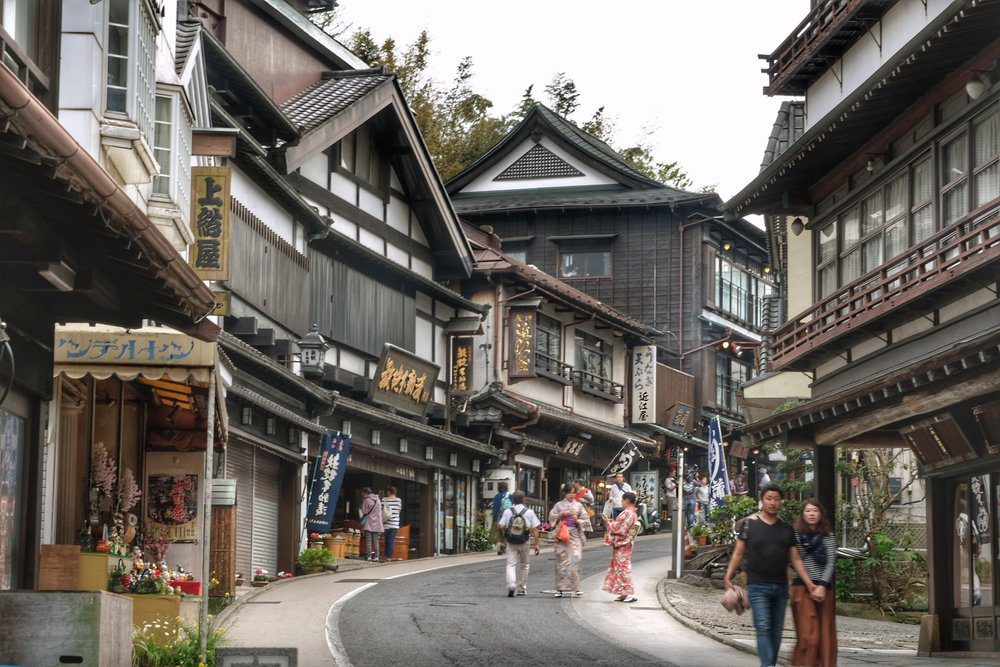
Old town
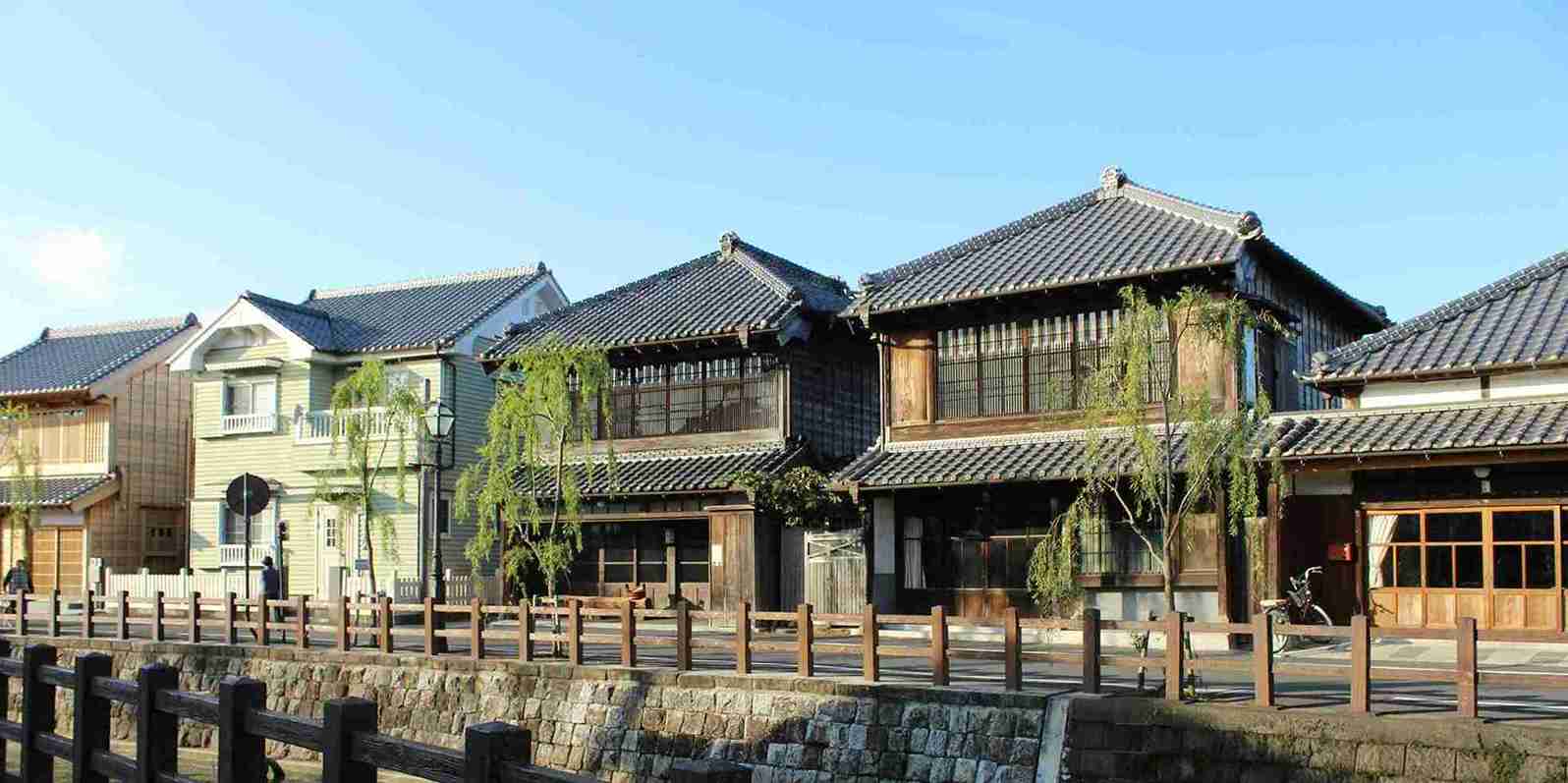
Located a few metres from the main train station, the most popular area of Sawara is its historic district. The neighbourhood has changed little since Edo (1603-1867). Beautiful bridges cross the canals, whose “cascade bridge” where water flows at certain times of the day.
Along the 500-metre stretch of the Onogawa River, which flows into the Tonegawa River, there are still many merchant houses that flourished through river transport between the region and Edo. These merchant houses also dot the main road of Katori, which crosses the river. These groups of buildings include the former house of Inoh Tadataka (1745-1818), which was built in 1793 and is a historic site designated by the government, as well as 8 cultural properties recognized by the prefecture of Chiba, consisting of 13 buildings. In 1996, Sawara was chosen by the central government as the first important preservation district for traditional building groups in the Kanto region. This neighbourhood reflects both the end of the Edo period (1603-1867) and the beginning of the Showa era (1926-1989). Many old buildings still host historical family businesses.
Tadataka inoh Museum
Inoh Tadataka (1745-1818) was a surveyor and cartographer who created the first map of Japan from surveys he made himself. The Inoh Tadataka Museum exhibits the life and achievements of Tadataka in chronological order and presents in detail the monumental work that represented the creation of inoh maps.
Botanical garden Ayame
The park was opened in 1969 as part of work to preserve the landscape. It is part of Suigo-Tsukuba’s quasi-national park, with 1.5 million diiris, making it the largest collection of diiris in Asia. Other outstanding features include its 300 lotus types, its glycines climbing over a 70-metre-long tunnel, and the Suigo Canal, which winds through the park.
Kashima-jingu and its deer park
One of the oldest and most mysterious shrines in Japan, dating back to Japanese mythology, whose history evokes an old legend related to Japan’s earthquakes!
Deer in Japan are considered sacred animals, sometimes classified as national treasures. Right next to the sanctuary is a deer park, less imposing than that of Nara or Miyajima which perfects the atmosphere of the place linked to these sacred animals.
From Sawara, you’ll have to take a bus to Kashima.
Matsuris de Sawara
The best time to visit Sawara is during the Sawara Grand Festival, which takes place twice a year, in July and October. During the festival, floats surmounted by giant effigies representing warriors and legendary heroes parade in the city. The Sawara Grand Festival is a traditional festival dating back more than 300 years, is considered one of the three largest tank festivals in the Kanto region.
During the great summer festival of Sawara, also known as the Gion Festival, 10 tanks are fired around Honjuku, the area east of the Ono River that crosses the centre of the historical district of Sawara. During the great fall festival of Sawara, 14 tanks were fired around Shinjuku, the district west of the Ono River. At the top of each tank is a giant effigy up to four meters high.
Another good time to visit Sawara is Ayame Matsuri, who celebrates iris in flowers.
Getting to Sawara
Sawara is easily accessible by train from Tokyo, Chiba City and Narita.
Take the JR Sobu line to Narita station from Tokyo station or Chiba station. Change to a local train and drive 30 more minutes to Sawara Station. You can also board an express bus from Tokyo Station in Sawara. The bus departs from the Yaesu exit and lasts about 90 minutes.
This little edo is a small step that will delight lovers of history and culture. The care taken to preserve buildings and historical heritage is incredible and will allow you to enjoy a relaxing calm in the prefecture of Chiba, close to the bustle of the capital.
If this article has brought you useful information and can help other travellers prepare for their stay, a Google review will always be appreciated. |
|
Discover more from Evasions Rebelles - Travel Planner Japon
Subscribe to get the latest posts sent to your email.