Travelling to Japan is much more than exploring landscapes and tasting delicious dishes. The country offers unique experiences that allow to dive into its culture in an original way. Among them, the practice of “Eki Stamp” stands out as a fun and engaging activity, ideal for lovers of travel, collection and graphic art. These special ink pads, available at Japan’s railway stations, are as many personalized memories as small treasures that enrich the travel experience.
What is an Eki Stamp?
The “Eki Stamp” (or “Gare Stamp”) are ink pads in most stations in Japan. Since the 1950s, this tradition of stamp collection has gained popularity among travellers. Each stamp represents a unique drawing often inspired by the city, landscapes, or famous sites of the region, such as castles, temples, mountains or local mascots. These stampings allow visitors to keep a memory of their visit to each station and quickly become a collection game for amateurs.
With stamps often very detailed and sometimes in colour, the Eki Stamp experience attracts both Japanese and foreign tourists. The stamp is usually available in an area dedicated to each station, allowing passengers to easily access it to mark their passage.
Map of Eki Stamp
How to Collect Eki Stamp
Using an Eki Stamp is simple and free. All you need to do is to spot the place in the station where the stamp is located – often close to the information counter or a souvenir stand – and to affix your travel plan or a notebook specially designed for the stamp collection. Some visitors opt for blank notebooks, while others use dedicated travel books called “Stamp Rarirer”.
The advantage of the Eki Stamp is that they allow you to trace your itinerary in Japan in the blink of an eye. Each stamp is unique and represents a true visual postcard of the region visited. Some travel enthusiasts in Japan even plan their travel according to the location, transforming their journey into a real buffer hunt.
An Accessible Activity for All
The Stamp collection is a popular and accessible activity, suitable for travellers of all ages. It does not require any particular equipment, only a notebook and a little curiosity. In addition, Japanese stations, known for their organisation, offer clear information and often highlight their tampons for easy access.
This activity is also an excellent way for families to discover the regions together and encourage younger ones to explore. The search for Eki Stamp in each station becomes a fun game for children, encouraging them to become interested in the local cultures represented by each motif. For international travellers, the Stamp collection not only creates authentic memories, but also understands Japan’s cultural and historical diversity.
Best Places to Collect
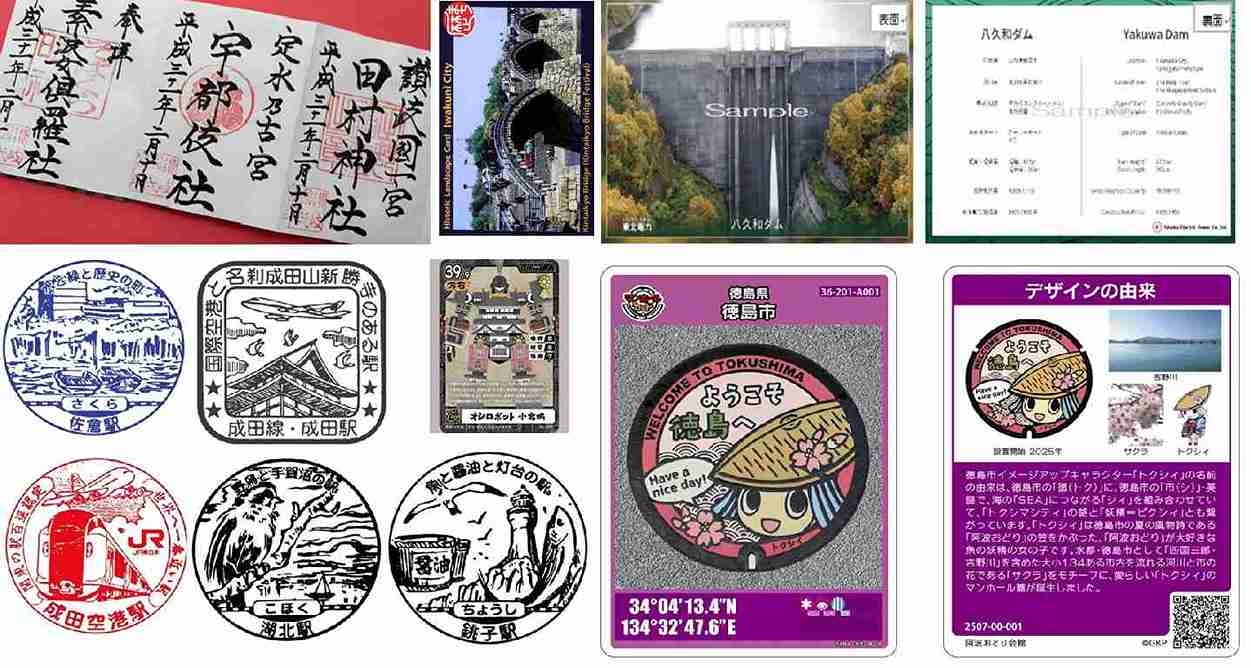
Although Eki Stamps can be found in most Japanese stations, some stations offer more sophisticated buffers because of their historical importance or their proximity to famous sites. Among the best areas to collect Stamps are:
- TokyoIn the capital, many stations offer buffers that reflect the cultural richness and energy of the city. Tokyo station, for example, offers a stamp that represents its iconic red buildings.
- KyotoWith its rich cultural heritage, Kyoto offers buffers illustrating its famous temples, such as the Kinkaku-ji (Golden Pavillon) and the Fushimi Inari-taisha. This is an excellent opportunity to immortalize the splendor of historic Kyoto sites.
- Hokkaido: Hokkaido Island stations highlight natural landscapes and animals, such as brown bears and foxes. This makes Stamps of this region an ideal memory for nature lovers.
- OkinawaSome stations in the Okinawa archipelago offer buffers that capture the tropical spirit and the culture distinct from this region, often decorated with flowers, fish and traditional sites.
These buffers are part of the culture of each region and offer a unique insight into what makes it special, allowing visitors to connect more with their environment.
How to request the Eki Stamp
If you can’t easily find the Eki Stamp in a train station, feel free to ask for help from the staff.
Use the wordsEki Stamp wa doko desu ka?What do you mean?Where is the railway station stamp in Japanese?
This simple sentence will allow you to report your search to the staff, who will then be able to indicate the exact location of the stamp. In large stations, Eki Stamps are often placed near information desks or tourist areas, while in small stations they can be located near entrances or in a discreet corner. Station employees are used to international visitors and will be happy to help you find the buffer, making this quest even more enjoyable and welcoming for foreign travellers.
How to Integrate Eki Stamps into your Travel Carnet
Many travellers use their Eki Stamp collection book as a travel diary. By adding each stamp, they can note anecdotes, memories or highlights from each region visited. This type of notebook quickly becomes a precious memory that traces the trip to Japan, and some travellers even decorate the pages with photos, train tickets, and stickers.
For those looking for a more aesthetic presentation, there are buffer books with motifs inspired by Japan. These dedicated notebooks make it possible to better organize buffers and are often designed with thick pages to avoid the ink going through. It is also an excellent souvenir to bring home and share with friends and family.
The Eki Stamp collection is more than just a travel activity: it allows you to discover Japan from a different angle, create personalized memories and experience a unique cultural experience. By capturing the essence of each region visited, these stamps become an invitation to explore the country in a fun and original way. For lovers of Japanese culture, travellers and families, the Eki Stamp hunt turns every stage of the trip into a memorable moment.
If this article has brought you useful information and can help other travellers prepare for their stay, a Google review will always be appreciated. |
|

Learn more about preparing your trip to Japan
Discover more from Evasions Rebelles - Travel Planner Japon
Subscribe to get the latest posts sent to your email.