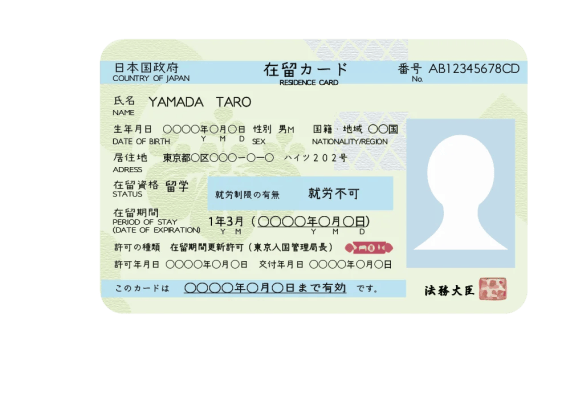
Planning a trip to Japan can quickly become complex in the face of the density of places of interest, the diversity of regions and the cultural richness of the country. To facilitate this organization, interactive maps. They allow to visualize distances, optimize routes and better understand the geographical logic of visits. This guide presents a selection of interactive thematic maps that bring together the places we most often recommend, thought to help build a coherent, fluid and adapted stay to each pace of travel.
Why use interactive maps to prepare a trip to Japan
Interactive maps provide immediate reading of Japanese territory. They allow you to situate a temple, a garden or a museum in relation to a railway station, a neighbourhood or other point of interest. This visualization reduces unnecessary travel times and helps group visits by geographical area.
They are also useful for adjusting a program according to season, weather or level of attendance. Some areas concentrate many sites in a reduced perimeter, while others require better anticipation of transport. The maps facilitate these arbitrations, especially in major cities such as Tokyo, Kyoto or Osaka, but also in more rural areas.
Parks and gardens of Japan
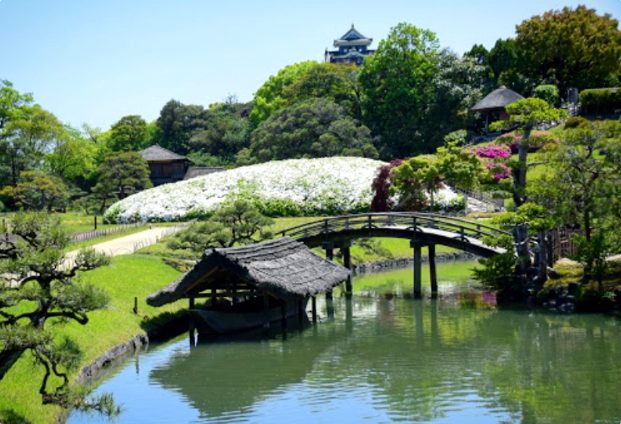
Japanese parks and gardens occupy an essential place in the travel experience. They are not just green spaces, but places designed for contemplation, walking and reading of the landscape. The interactive maps dedicated to parks and gardens allow you to quickly spot those close to other cultural sites or in pleasant areas to explore on foot.
These maps are particularly useful for planning seasonal visits, whether they are cherry blossom, maple trees or summer greenery. They also allow to identify places suitable for quiet breaks on denser routes.
Museums of Japan

Japan offers a wide range of museums, ranging from classical art museums to institutions dedicated to architecture, crafts, science and local history. The interactive maps of museums help navigate this wealth by bringing together institutions by theme and geographical area.
In large cities, they allow to visualize cultural clusters, such as neighbourhoods where several museums are within walking distance. This facilitates the construction of consistent half-days without excessive travel. In the regions, they highlight often unknown museums, linked to local know-how or regional historical figures.
These maps are also useful for adapting the program to the composition of the group. Some museums are better suited for families, others for art or history lovers. Visualization makes it possible to make informed choices and balance cultural visits with other types of experiences.
Temples and shrines of Japan

Buddhist temples and Shinto shrines form one of the pillars of Japanese heritage. Their number is considerable, and interactive maps are essential for finding them. They make it possible to distinguish major sites, often frequented, from more discreet places offering a different atmosphere.
In Kyoto, maps help to understand the spatial logic of historic neighbourhoods and to consolidate visits realistically. In Nara or Kamakura, they show the concentration of temples around specific areas, facilitating walking routes. In other regions, they reveal isolated sanctuaries, sometimes nestled in mountains or by the sea.
These maps also provide cultural insights by identifying the differences between temples and shrines, their respective roles and their inscription in Japanese daily life. They allow these visits to be integrated in a way that is respectful and adapted to the pace of the journey.
Observatories and views
Observatories and viewpoints offer another reading of Japan, whether urban or natural. The interactive maps dedicated to these places allow you to quickly spot places with remarkable panoramas, accessible at different levels of effort.
In the major cities, they list the towers, observation platforms and high points offering views of the city, day and night. They help choose free or paid sites, whether indoor or outdoor, according to preferences. In rural areas, they highlight viewpoints, passes or trails leading to views of the sea, mountains or countryside.
These maps are particularly useful for planning highlights of the trip, such as a sunset or night view, taking into account orientation, schedules and accessibility.
The 100 castles of Japan
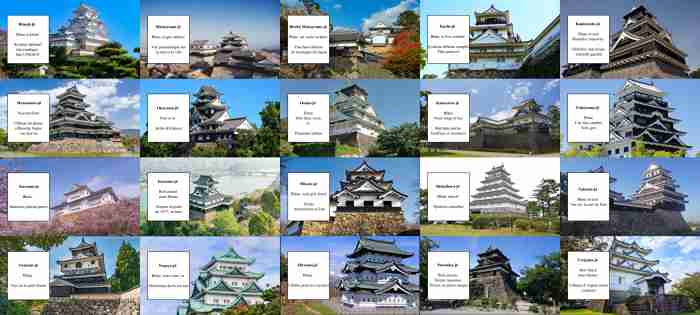
Japanese castles are a major historical heritage, often linked to the feudal era. The interactive maps dedicated to the 100 recognized castles make it possible to visualize their distribution throughout the territory and to identify those who are best integrated into an existing route.
They distinguish preserved original castles, faithful reconstructions and archaeological sites. This distinction helps to choose visits according to the architectural or historical interest sought. The maps also facilitate understanding of regional contexts, showing how castles once structured local power.
For travellers wishing to leave the traditional axes, these maps reveal less frequented castles, often located in medium-sized towns or rural areas, offering a different approach to Japanese history.
Animated, manga and pop culture

Japanese popular culture occupies an important place in the imagination of travellers. The interactive maps dedicated to the anime, manga and pop culture allow us to spot the emblematic places linked to these universes, whether they are specialized neighborhoods, museums, statues or places that inspired famous works.
From Your Name to One Piece, via the Pokemon sewer plates, you will find something to satisfy your desires.

Today, interactive maps are a valuable tool for approaching Japan with methodology and curiosity. By bringing together the places we most often recommend by major themes, they offer a clear and structured view of the territory. They help build a coherent itinerary, better understand distances and make informed choices. When used flexibly, they become a true travel companion, able to accompany every stage of the stay and enrich the experience on the ground.
If this article has brought you useful information and can help other travellers prepare for their stay, a Google review will always be appreciated. |
|
Discover more from Evasions Rebelles - Travel Planner Japon
Subscribe to get the latest posts sent to your email.