Japan is a destination that charms not only its culture, landscapes and traditions, but also its exceptional gastronomy. From traditional cuisine to modern culinary creations, the country offers a multitude of flavours and textures that will delight every traveller’s taste buds. Here is an overview of the essential dishes to taste during your trip to Japan.
Sushi and Sashimi: the emblem of Japanese cuisine
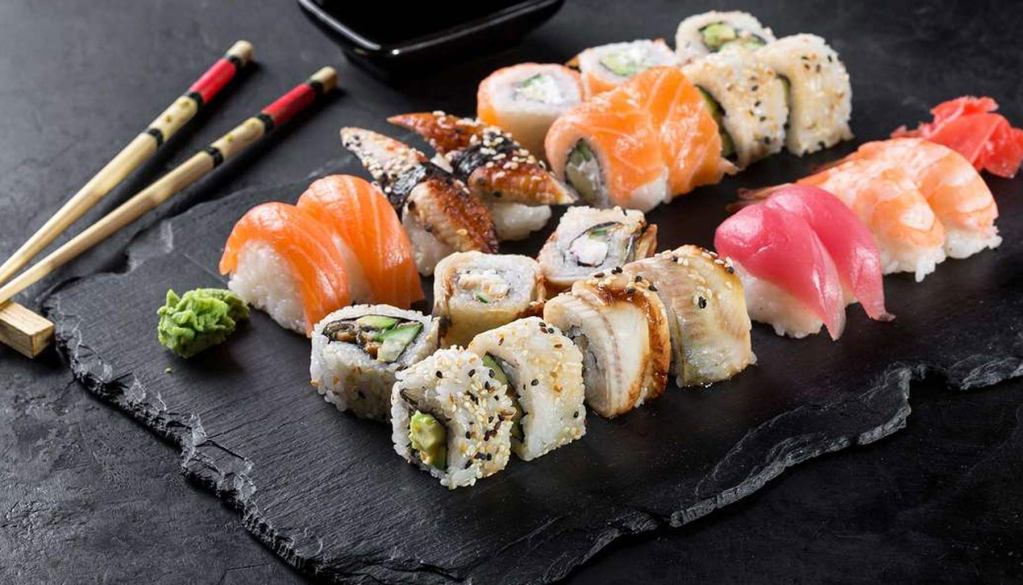
Sushi, often perceived as the Japanese dish par excellence, consists of vinaigrated rice, garnished with raw fish, seafood, or vegetables. The most popular variants include nigiri (fish slice on a rice bed) and maki (rice rolls and garnish wrapped in nori algae).
Sashimi, on the other hand, are thin slices of raw fish served without rice, highlighting the quality and freshness of the products. For an authentic experience, go to a traditional sushi restaurant, where the chef prepares the dishes in front of you, or visit a fish market like Toyosu in Tokyo, to discover top quality sashimi.
Ramen: the delight of Japanese soups

The ramen, these noodles of wheat served in tasty broth, are a must of the Japanese street food. There are many regional variations, each with its own peculiarity:
- Shoyu(soya sauce): a light and tasty broth, often served with pork slices, spring onions and nori algae.
- Miso: a thicker broth rich in flavours, made from miso paste, often embellished with vegetables and meat.
- Shio(salt): a light and salty broth that highlights the pure taste of the ingredients.
- Tonkotsu: a thick and creamy broth, made of boiled pork bones for hours, very popular in Fukuoka.
For a complete immersion, it is recommended to go to a specialized restaurant where you can observe the chef preparing bowls of ramen in record time.
Onigiri
Onigiri, or rice pellets, are a practical and delicious snack. Garnished with salmon, umeboshi (salt plum), mayonnaise or kombu tuna (algae), these triangles wrapped in nori algae are perfect for a meal on the thumb or during a picnic.
Lomurice
Lomurice, contraction of omelette and rice, is a very popular comfort dish in Japan. This dish consists of a mellow omelet wrapping sautéed rice, usually flavoured with ketchup. Often served in coffees, it is a simple but irresistible dish.
Tonkatsu
Tonkatsu is a breaded and fried pork scalop, served with grated cabbage and a sweet-salted sauce. Its crisp crust and juicy meat make it one of the most popular dishes of Japanese and visitors.
The katsudon
The katsudon is a bowl of rice garnished with tonkatsu accompanied by beaten eggs slightly cooked in sweet soy sauce. This dish is considered a lucky dish, often consumed before exams or competitions.
The Japanese curry
Japanese curry is a soft and thick version of Indian curry, served with white rice. This comfort food dish comes with various ingredients, including carrots, potatoes and sometimes tonkatsu to form the katsu-curry.
Tempura: light and crisp frying
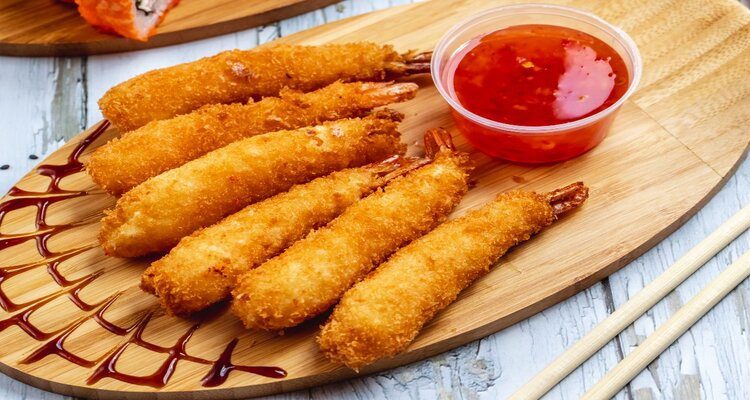
Tempura is a dish that consists of seafood and vegetables coated with light dough, then fried until it gets a golden and crispy texture. In contrast to heavier frying, Japanese tempura is distinguished by its fine paste, which makes the flavour of the ingredients visible.
This dish is often eaten with a special sauce based on dashi, soy sauce and mirin. To enjoy the best tempura, it is advisable to visit a dedicated restaurant, where the chefs prepare the tempuras to order to ensure their freshness.
Takoyaki
Specialty in Osaka, the takoyaki are pastry pellets filled with pieces of octopus, cooked in a special mould and served with sauce, mayonnaise and dried bonite flakes. This street food dish is a must at Japanese festivals.
Yakitori
Yakitori are grilled chicken skewers, seasoned with salt or tare (sweet-salted sauce). Available in the izakaya (Japanese pubs) or in the matsuri (festivals), these skewers are a perfect option for snacking.
Okonomiyaki: the multifaceted Japanese ‘crêpe’
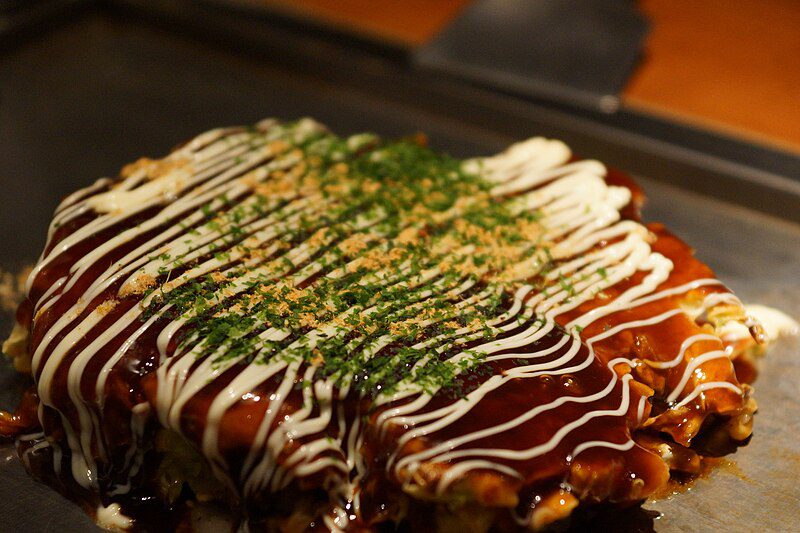
The okonomiyaki, literally “grilled to your taste”, is a salty crepe that combines various ingredients such as flour, eggs, cabbage, meat or seafood, and all cooked on a hot plate. This dish is very popular in Hiroshima and Osaka, but each region has its own way of preparing it:
- Hiroshimaokonomiyaki is prepared in layers, with noodles, eggs and often yakisoba.
- Osaka: the ingredients are mixed with the dough before cooking, creating a homogeneous texture.
The okonomiyaki is usually filled with special sauce, Japanese mayonnaise and dried bonite chips (katsuobushi). This dish is perfect for a friendly and interactive meal, as it is often prepared on table hot plates.
Karaage

Karaage is a Japanese version of the fried chicken, marinated in a soy, garlic and ginger sauce before being fried until it gets a crispy texture. This dish is a favourite of Japanese, served in bentos or with family meals.
Sukiyaki and Shabu-shabu

These two Japanese fondue dishes are perfect for a friendly evening. Sukiyaki prepares with a sweet-salted sauce, while shabu-shabu consists of soaking slices of fine meat in a light broth before diving them into a sauce.
I’ll tell you what.

Launagi, or grilled eel, is a refined dish often served with rice and served with a sweet sauce. This specialty is very popular during the summer months, as it is renowned for its energetic virtues.
Gyudon
The gyudon is a bowl of rice filled with fine slices of beef simmered in a sweet soy sauce with onions. Simple and tasty, this dish is very popular in restaurants like Sukiya or Yoshinoya.
Loyakodon
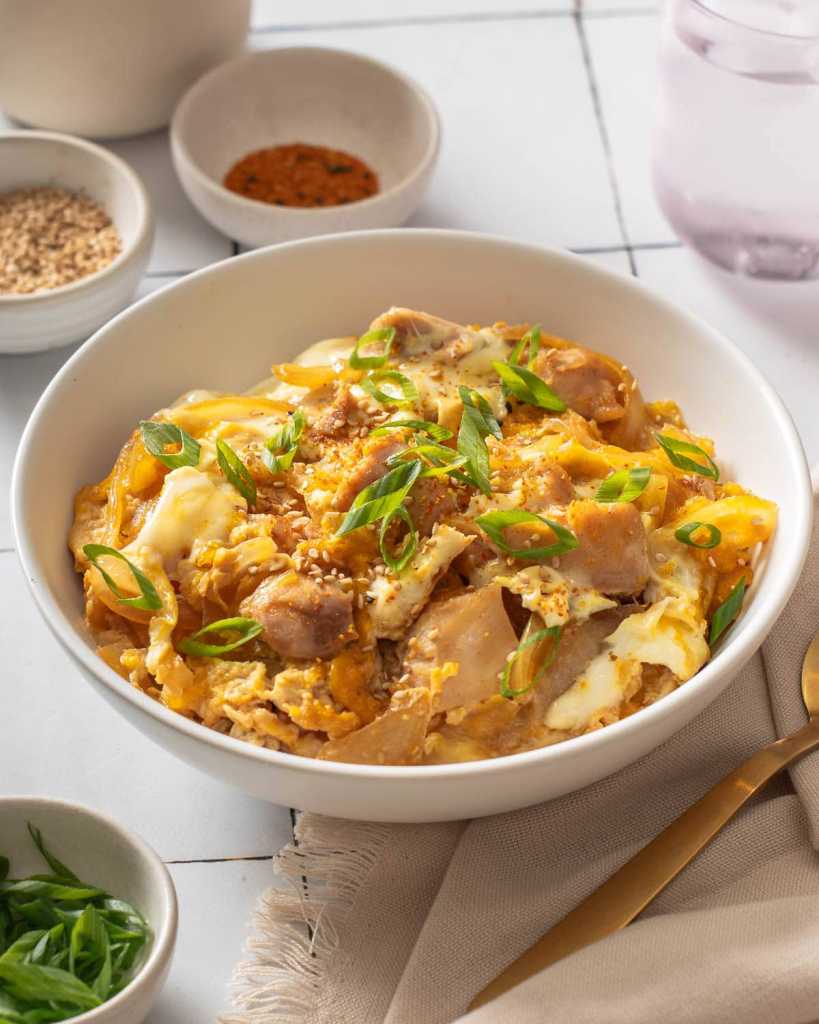
Loyakodon, which literally means “parent and child”, is a bowl of rice topped with pieces of chicken and beaten eggs cooked in a sweet sauce. This symbolic dish is both nourishing and comforting.
Yakiniku: Japanese barbecue
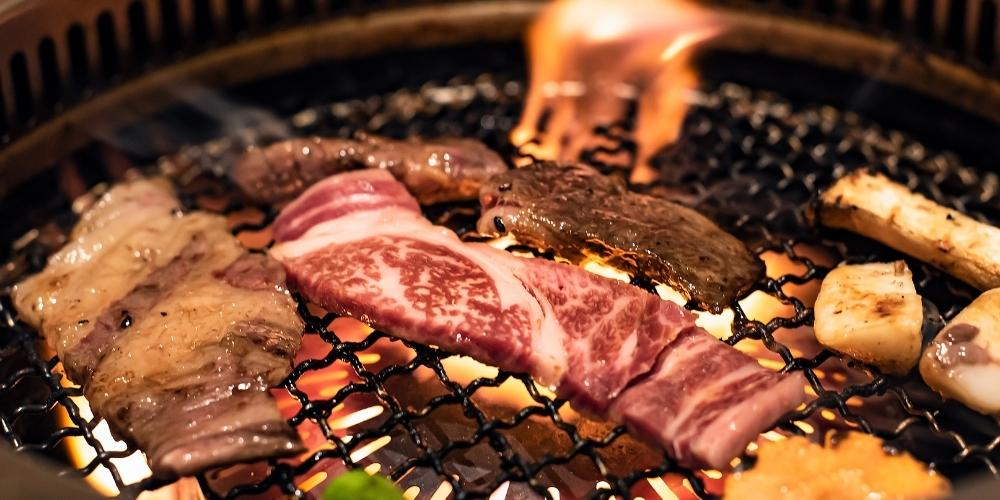
Yakiniku, which literally means “roasted meat”, is a culinary experience where guests grill pieces of meat and vegetables on a grill placed at the centre of the table. Meat pieces, often high quality beef such as wagyu, are marinated or simply seasoned with soy sauce and other condiments before cooking.
For a full meal, yakiniku is served with rice, vegetables and sauces to soak the meat. It is an excellent choice for those who wish to share a meal with their friends or family.
Kaiseki: the traditional Japanese banquet
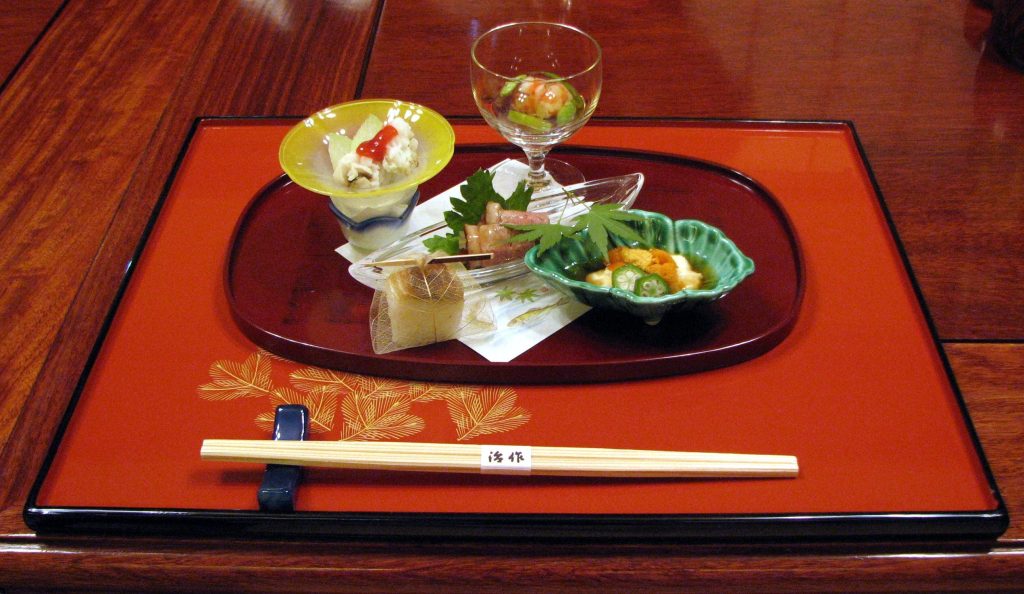
The kaiseki is a traditional Japanese meal that consists of several dishes served in a precise order to create a harmonious culinary experience. Each dish is carefully prepared to reveal the seasonality of the ingredients and the chef’s creativity. A kaiseki meal can include hors d’oeuvres, soups, fish, meat, vegetables and desserts, each presented in an artistic and detailed manner.
Kaiseki is often offered in ryokans (traditional Japanese inn) and is an opportunity to discover unique flavors that vary by region and season. This type of meal is a must for food lovers who are looking to experience an authentic and refined experience.
Sushi and sashimi: the accessible alternative

If you can’t go to a gourmet restaurant, don’t worry: in Japan, there are alternatives to savour quality sushi and sashimi without spending a fortune. Sushi in kaiten-zushi (rollmill sushi restaurants) offer a fun and affordable experience, with a variety of choices that will satisfy gourmets.
In addition, fish markets, such as the Tsukiji market (formerly Tokyo’s main market), offer stands where you can taste fresh sushi and sashimi at reasonable prices.
Donburi: an all-in-one dish
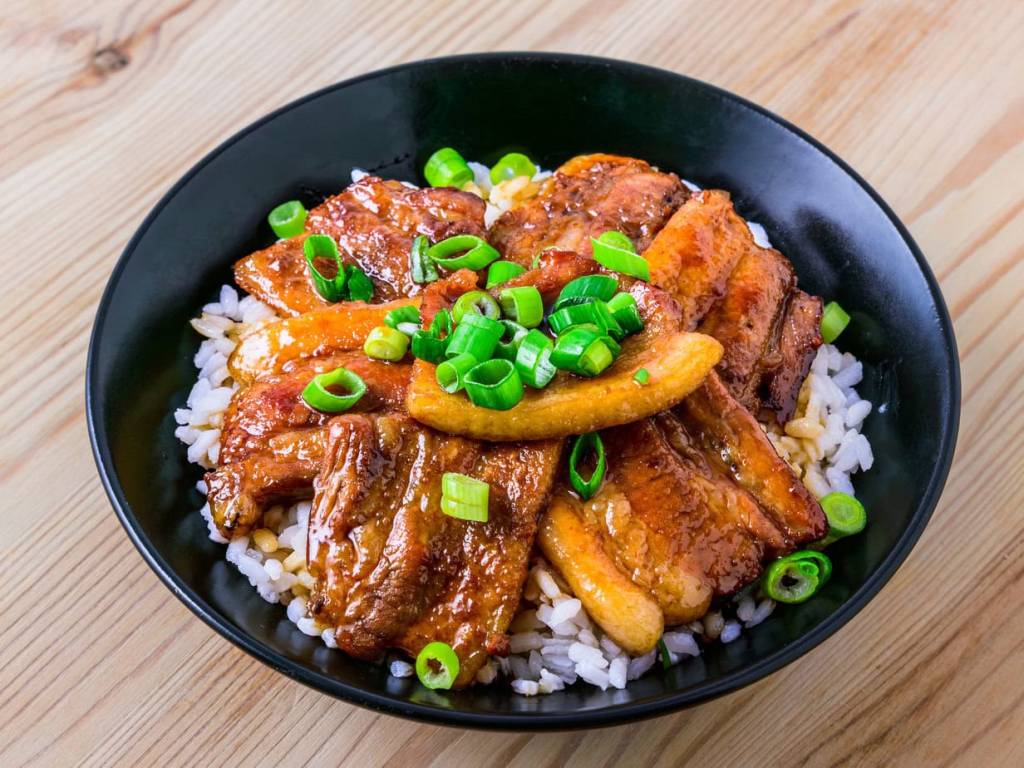
Donburi is a dish composed of rice topped with various ingredients cooked or fresh, such as beef, chicken, eggs, or seafood. The gyudon (beef rice) and katsudon (rice with a breaded pork scalop) are among the most popular versions. This dish is quick to prepare and eat, making it a convenient and tasty choice for lunch or light dinner.
Japan is a land of exceptional flavours, where each dish tells a story and reveals a part of the country’s culture. Whether you’re a sushi lover, ramen lover or a fan of the refined cuisine of kaiseki, there are a multitude of dishes to discover that will make your trip an unforgettable gastronomic experience. To fully enjoy Japanese cuisine, it is important to take the time to explore regional specialities and taste dishes prepared with the highest quality ingredients.
If this article has brought you useful information and can help other travellers prepare for their stay, a Google review will always be appreciated. |
|

Learn more about preparing your trip to Japan
Discover more from Evasions Rebelles - Travel Planner Japon
Subscribe to get the latest posts sent to your email.