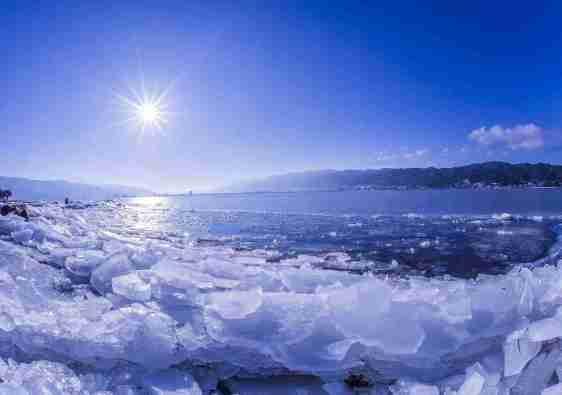
Nestled on the west coast of the Izu peninsula, Matsuzaki is a charming Japanese city that offers a mix of natural beauty, local culture and relaxation. Less frequented than other tourist destinations, it is an ideal step for those who want to discover a peaceful coastal Japan. This article guides you through the activities not to be missed, the museums to visit, the means of transport to get there from Tokyo, the accommodation available and the local gastronomy.

Explore the nature and landscapes of Matsuzaki
Matsuzaki offers a remarkable natural setting, between sea and mountain, which invites you to walk, swim or contemplation.
Hiking on the coast of Osezaki
This coastal trail is appreciated for its open views of the Pacific Ocean and its atypical rock formations. Easily accessible, it allows you to walk in peace while observing marine fauna and volcanic cliffs.
Kumomi beach
Known for its clear water and fine sand, this family beach is perfect for swimming, picnics or simply contemplation. It is also an excellent starting point for nautical activities.
Hot springs of Matsuzaki
Several thermal establishments offer baths with sea views. These onsens, fed by local natural sources, offer a moment of relaxation after a day of exploration.
Kayak and scuba diving
The rocky coves on the coast are ideal for kayaking, and diving enthusiasts will find a remarkable biodiversity in the seabed. Local clubs offer equipment rental and supervised excursions.
Senganmon Rock
This spectacular rock arch, emerging from the sea, is one of the symbols of the Matsuzaki coastline. In clear weather, you can see Mount Fuji in the background, a rare but impressive spectacle.
Walk along the Naka River
In spring, the 5 km of flowering cherry trees that border this river offer an unforgettable setting. The ground becomes pink, and the banks attract walkers like photographers. A remarkable site during the sakura season.
Museums and cultural heritage
Matsuzaki maintains numerous accounts of his past, including the Edo era, during which time the city was a strategic point for the extraction and dispatch of stones for the construction of the Edo Castle.
Several old merchant houses have been restored and are open to the public, sometimes free of charge.
House Nakase
Built in Edo’s era, this merchant residence bears witness to the development of Matsuzaki as a port of export of stone blocks for the construction of Edo. Interior architecture is well preserved, with tatami, sliding doors and garden.
Izu Buntei
This historic building, accessible for free, allows you to discover another architectural style of the era. It is also used as a place of temporary exposure or local events. It is easy to enter from the city centre.
Museum of Matsuzaki
The museum traces the evolution of the region through agricultural, maritime and artisanal objects. It showcases daily life in a rural and harbour setting, with models and archival documents.
Shot location:
Matsuzaki served as the setting for the film ‘Sekai no Chushin by Ai wo Sakebu’. Certain specific locations of the port, docks and local high school are identifiable by fans. Walking tours are offered to follow the traces of iconic scenes.
Myohouji Temple
This Buddhist temple has a peaceful atmosphere and a pleasant vegetated setting. It is often visited for its small gardens and its main wooden room, which preserves ancient objects.
Kumomi Shrine
Perched on a height with sea views, this Shinto shrine is little frequented but photogenic. The access staircase is steep, but the panorama and calm of the place make it a significant spiritual stop.
How to get there from Tokyo
By train and bus
From Tokyo, take the Shinkansen to Mishima, then a local train or bus to Matsuzaki. This is the fastest option for those using the Japan Rail Pass, with a total travel time of about three hours.
By car
Renting a car allows you to enjoy the landscape and stop in the villages of the coast. The road, well marked, crosses forested areas and coastal tunnels, with views of the Suruga Sea.
By direct bus
Long-distance buses connect Tokyo to Matsuzaki in about four hours. This option is suitable for travellers who want to avoid connections, with departures from Shinjuku or Shibuya.
Accommodation in Matsuzaki
Ryokan
These traditional inns offer rooms in tatami, often with sea views and access to hot baths. Meals served are typical of the region, often based on seafood and local vegetables.
Modern hotels
Recent establishments offer standardized comfort with air conditioning, western bedding and practical services. They are often located near the city centre or the beach.
Guesthouses and minshuku
Simpler, these family-run accommodations are ideal for small budgets. The welcome is warm and meals often homemade. They also allow to exchange with other travellers.
Local gastronomy
Sashimi and sushi
Fresh fish landed each morning in the port are served in the city’s restaurants. Local chefs highlight marine products by playing on freshness and simplicity.
Wasabi d’Izu
Cultivated in the pure rivers of the mountains, the wasabi d It is found in sobas, pickles and even in local ice.
Seafood
Shrimp, crabs, scallops, but also abalone or squid: sea specialities are cooked in tempura, broths or grills. Local restaurants adapt their menus to arrivals.
Matsuzaki, on the west coast of Izu, offers a escape to a discreet, coastal and accessible Japan. Its trails, beaches, period houses and small shrines allow a calming and enriching exploration. Well connected to Tokyo, the city is ideal for a few days trip, especially in spring or summer. It is a destination to prefer for those who want to slow down the pace, discover another face of Japan, and enjoy a preserved natural setting.
If this article has brought you useful information and can help other travellers prepare for their stay, a Google review will always be appreciated. |
|
Discover more from Evasions Rebelles - Travel Planner Japon
Subscribe to get the latest posts sent to your email.