Studio Ghibli, founded in 1985 by Hayao Miyazaki, Isao Takahata and Toshio Suzuki, is internationally renowned for its animated works combining poetry, imagination and realism. The enchanting decors that adorn these films often inspire real sites in Japan, which bring authenticity and depth to narrative universes. This article explores several of these Japanese venues that have served as sources of inspiration for some of the most iconic films in Studio Ghibli.

Tomogashima, inspiration for “The Castle in Heaven”
The island of Tomogashima, located in Wakayama Prefecture, is considered the main model for the floating city of Laputa in “The Castle in the Sky”. This place contains remains of military fortifications, immersed in a preserved natural landscape. The mysterious and isolated atmosphere of the island probably fed Miyazaki’s imagination to conceive this legendary city lost in the clouds.
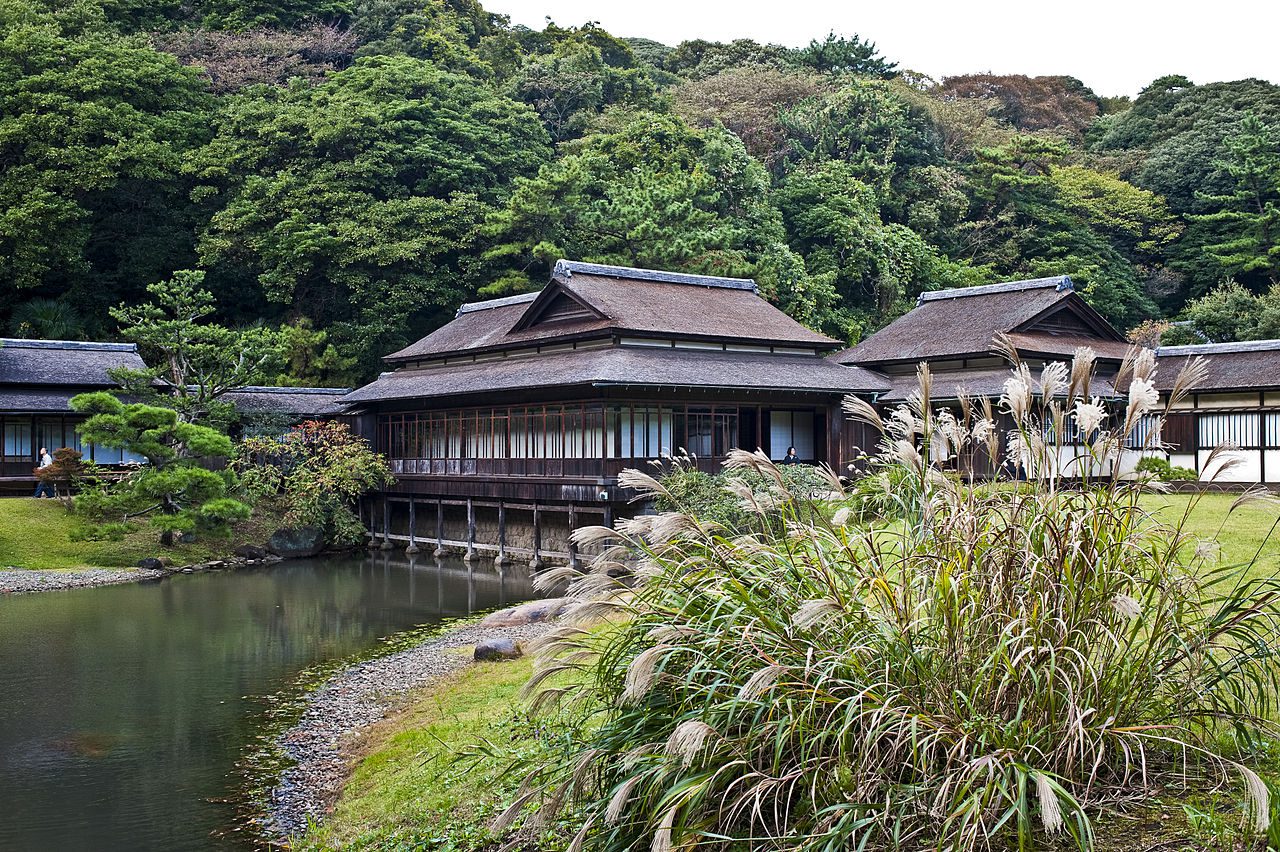
Sayama Hills, rural setting of “My neighbour Totoro”
The film “My Neighbor Totoro” depicts a peaceful Japanese campaign, inspired by Sayama Hills, in Saitama Prefecture. This forested and hilly region, close to Tokyo, offers an accessible nature rich in biodiversity. It is known for its hiking trails and agricultural activities such as tea picking. These characteristics have helped to define the quiet and bucolic atmosphere that accompanies the adventures of the two little girls and the Totoro, spirit of the forest.

Yakushima, the ancestral forest of “Princess Mononoke”
Yakushima, an UNESCO World Heritage Island in Kagoshima Prefecture, is famous for its dense primary forest and millennial cedars called sugi. This natural site strongly inspired “Princess Mononoke”, whose central theme contrasts nature with industrialization. The mystical atmosphere of this ancient forest, with its thick mosses and gigantic trunks, is visible in the scenery of the film, giving a feeling of power and sacrality to nature.
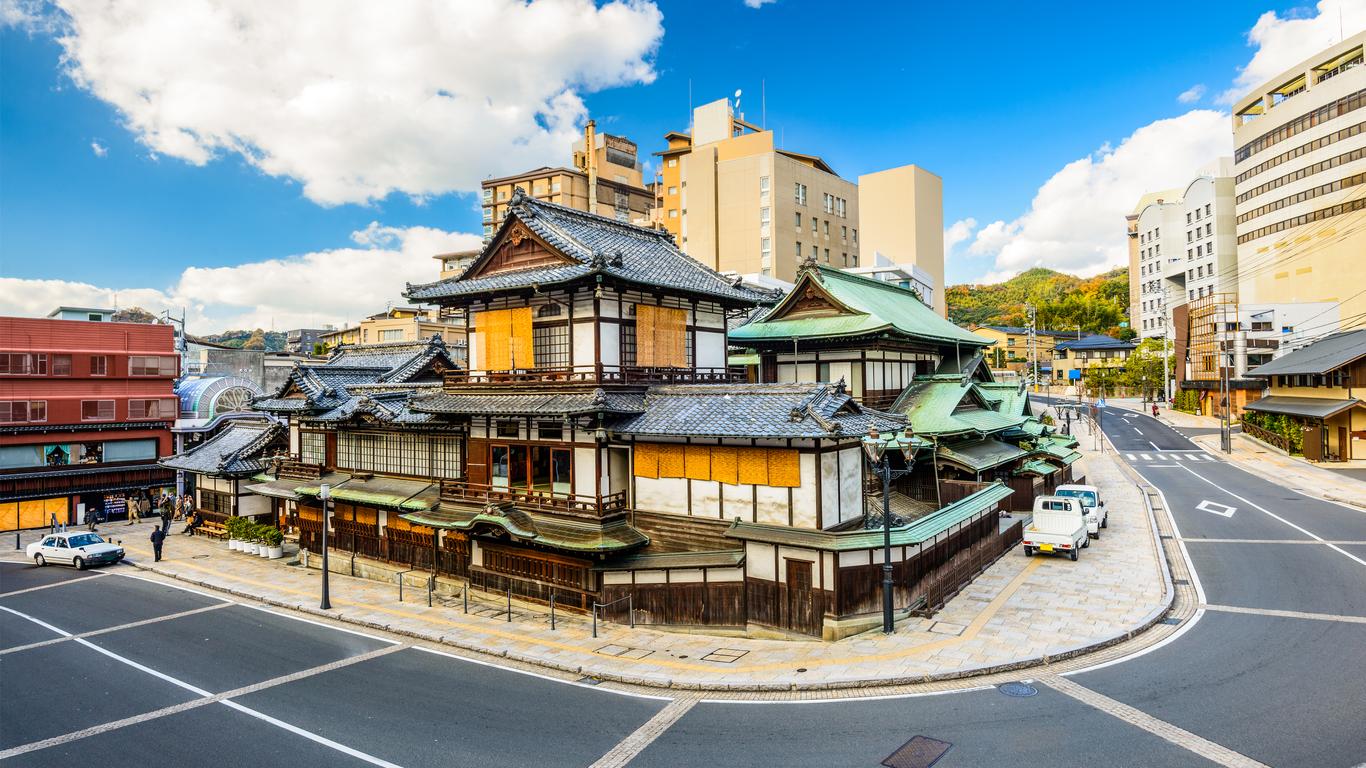
Shima Onsen, source of bath inspiration in “The Chihiro Journey”
The famous film “The Journey of Chihiro” features a public bath for spirits. Several sources in Japan may have inspired this setting, including Dogo Onsen, a spa in Matsuyama Prefecture. This region is home to one of the country’s oldest hot springs, known for its therapeutic waters. Its traditional architecture and public baths accessible to the general public embody Japan’s classic onsen, providing a realistic insight into Japanese bath culture.
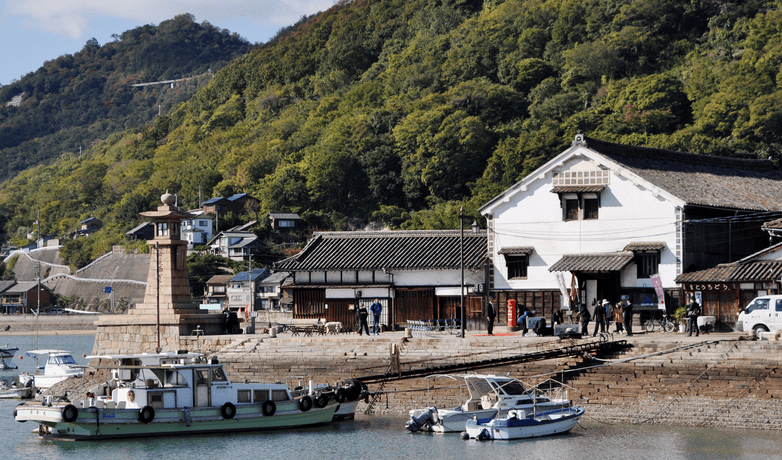
Tomonoura, picturesque port of “Ponyo on the cliff”
Tomonoura, in Hiroshima Prefecture, is a charming fishing village known for its port with exceptional marine landscapes. This frame served as inspiration for “Ponyo on the cliff”, a film in which the sea plays a central role. The tranquillity of the port, the old wooden houses, as well as the boat and fishing scenes reflect traditional Japanese coastal life, a source of inspiration for the director.
Seiseki Sakuragaoka, real place of the film “Mimi wo Sumaseba” (Whisper of the Heart)
This district of Tama City, in Tokyo Prefecture, inspired “Mimi wo Sumaseba”, a film less known but appreciated for its realism. The daily heroin route and the urban scenery are faithfully represented, including the station and its surroundings, as well as the Konpiragu Shrine, a small sanctuary. This urban realism contrasts with other studio works, offering a window on Japanese urban life.
Motomachi, the commercial street of “The Kingdom of Cats”
In “The Kingdom of Cats”, the decor of Motomachi shopping street in Yokohama was used to represent a lively area, typical of Japanese shopping districts. The traditional boutiques, colorful facades and warm atmosphere match with the feline and fanciful world of the film.
Seibian in Hirakawa, inspiration for “Arrietty, the small world of the chapardeurs”
Seibian, in the city of Hirakawa, prefecture of Aomori, is a place mixing western and Japanese architecture, surrounded by a Japanese garden dating from Meiji era. This frame inspired the film “Arrietty”, where the contrasts between the world of humans and that of the little chapardeurs are at the heart of history. The house where the intrigue takes place presents a cultural duality that can be found in the details of the animation.

Yamate in Yokohama, decor of “Kokuriko-zaka Kara” (From Up On Poppy Hill)
This historic area of Yokohama inspired the setting of “Kokuriko-zaka Kara”, a film that took place in the 1960s. Yamate preserves western-style buildings dating from the Meiji and Taisho period, as well as hills with views of the bay. These elements helped restore the post-Second World War atmosphere of Japan, punctuated by preparations for the 1964 Olympic Games.
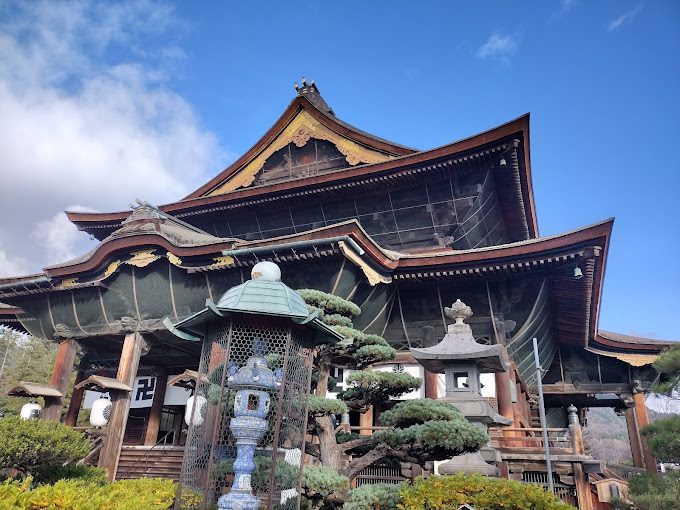
Kamikochi Imperial Hotel, source for “The Wind Rises”
The Imperial Hotel of Kamikochi, located in Nagano Prefecture, is linked to the story of “The Wind Rises”, a film inspired by the life of aviation engineer Jiro Horikoshi. This historic establishment, nestled in the heart of the Japanese Alps, evokes the rural and mountain Japan that marked this period, offering a realistic backdrop to the dramatic and technical history of the film.
Exploring these real sites in Japan allows you to better understand the inspirational sources of Studio Ghibli, but also to discover the richness of landscapes and atmospheres that nourish the Japanese imagination. These places, combining nature, architecture and local culture, reinforce the intimate link between animation works and their original land.
If this article has brought you useful information and can help other travellers prepare for their stay, a Google review will always be appreciated. |
|
Discover more from Evasions Rebelles - Travel Planner Japon
Subscribe to get the latest posts sent to your email.