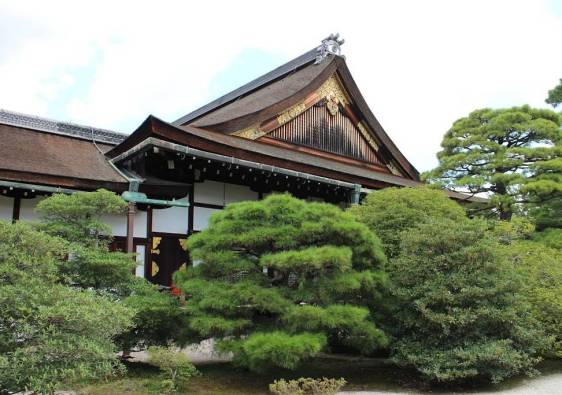
Kennin-ji is not only one of the oldest Zen temples in Kyoto, but also a place rich in history, art and spirituality. Located in the picturesque area of Gion, this temple invites visitors to explore the roots of Zen Buddhism in Japan. Founded in 1202, the Kennin-ji represents an invaluable treasure for those who seek to understand the development of Zen and to immerse themselves in the serene atmosphere that permeates Kyoto temples.
History and Origin of Kennin-ji
A temple founded by monk Eisai
The Kennin-ji was founded in 1202 by the monk Eisai, known for introducing Zen Buddhism Rinzai to Japan after a trip to China. Eisai not only brought zen, but also tea, a practice that would become deeply rooted in Japanese culture. Thanks to his teachings, Kennin-ji became a spiritual study centre for monks and contributed to the rise of Zen in Kyoto. The temple is today the oldest in the Zen Rinzai current, making it a must-see destination for lovers of spirituality and history.
A place of cultural and spiritual preservation
Over the centuries, Kennin-ji has undergone several renovations and restorations to preserve its architecture and artistic treasures. Even after difficult periods, such as fires and wars, the temple was able to preserve its essence, keeping architectural elements and works of art dating back centuries. Ranked among Kyoto’s most important temples, Kennin-ji is today a valuable witness to Japan’s cultural and spiritual evolution.
Architecture and artistic treasures of Kennin-ji
A remarkable architectural ensemble
Kennin-ji is distinguished by its traditional structure and beautiful Zen gardens. The main building, called Hondo, houses several Buddhist works that illustrate the teachings of Zen. Visitors can contemplate ancient Buddha statues and representations of temple guardians. The Kennin-ji is also famous for its meditation rooms and pavilions, each designed to invite reflection and calming of the mind.
The frescoes of the “Deux Dragons”
One of the most famous treasures of Kennin-ji is undoubtedly the fresco of the “Two Dragons”, located on the ceiling of the main hall. Created in 2002 to commemorate the 800 years of the temple, this impressive fresco depicts two intertwined dragons, symbolizing divine protection in the sacred place. Designed by artist Koizumi Junsaku, this striking work has become emblematic of the temple and attracts visitors from all over the world. Observing this fascinating fresco is an experience that transports into the mystical universe of Zen.
Kennin-ji Zen Gardens
The garden of the Circle, Triangle and Square
Kennin-ji houses several Zen gardens designed for introspection and meditation. Among them, the garden of the “Cercle, Triangle and Carré” is particularly symbolic. Inspired by the philosophical concepts of Zen, this garden represents the universe in its simplicity and fundamental geometrical forms. The circle, triangle and square are universal symbols in Zen thought, each symbolizing a stage of life or an aspect of nature. This garden invites contemplation and reflection, offering visitors a space to reconnect to their inner being.
The garden “Chōontei”
Another popular garden of Kennin-ji is the Chōontei, also called the “Courante Silentieuse Garden”. This simple but refined garden is designed with stones and gravel carefully arranged to represent a quiet river. The serenity of the garden promotes peace of mind and meditation, offering a soothing contrast with the bustle of the city. Visitors can sit and contemplate the garden, an ideal moment to enjoy the silence and visual harmony that emanates from it.
Ceremonies and Zen Meditation at Kennin-ji
Meditation sessions accessible to the public
Kennin-ji offers Zen meditation sessions, calledzazenwhich are open to the public. These sessions allow visitors to discover meditation in an authentic setting, guided by experienced monks. The practice of zazen is one of the most important meditative techniques of Zen, promoting concentration, clarity of mind and let go. Participating in a zazen session at Kennin-ji is a unique opportunity for those who want to learn Zen philosophy or deepen their practice.
Annual ceremonies
The Kennin-ji temple also organizes Buddhist ceremonies throughout the year, especially during traditional festivals. These events, often accompanied by songs and rituals, offer an overview of Zen devotion and spirituality. For visitors, attending a ceremony is a valuable opportunity to see religious practices in action and to better understand the importance of Buddhism in Japanese daily life.
Visit the Kennin-ji: practical information
Hours and access
The Kennin-ji is open daily, and schedules vary according to season. Located in the Gion district, it is easily accessible by bus or train from Kyoto station. Visitors must remove their shoes before entering the buildings, a common practice in Japanese temples to respect the cleanliness of the sacred place.
Entry rate and advice
The entrance to Kennin-ji is paid, but the price remains affordable and helps preserve this historic treasure. To fully enjoy the visit, it is advisable to schedule several hours, so that you can explore the different pavilions and gardens without haste. A guide or audioguide can enrich the experience by providing details on the history and symbolic location.

Kennin-ji is much more than just a tourist site. It is a place of recollection and wisdom where the beauty of architecture and gardens mixes with the depth of Zen teachings. This temple, the oldest of Zen Buddhism Rinzai, attracts both Japanese and international visitors, all eager to dive into the soothing atmosphere of this unique place. Whether you are interested in history, spirituality, or simply looking for serenity, the Kennin-ji offers an unforgettable and rewarding experience in the heart of Kyoto.
If this article has brought you useful information and can help other travellers prepare for their stay, a Google review will always be appreciated. |
|

Learn more about preparing your trip to Japan
Discover more from Evasions Rebelles - Travel Planner Japon
Subscribe to get the latest posts sent to your email.