Located in the Kansai region, near Kyoto and Osaka, the city of Nara is one of the oldest and most important cultural destinations in Japan. Famous for its role as Japan’s first permanent capital, Nara is full of majestic temples, ancient shrines and beautiful parks populated by deer at large. This mix of history, nature and culture attracts visitors from all over the world. In this article, we will explore the emblematic places of Nara and the activities not to be missed, as well as the most practical way to get there.
Nara Park: The Natural Heart of the City
TheNara Parkis probably the most famous attraction in the city. This vast green space of over 500 hectares is famous for its semi-wild deer that walk freely. These animals, considered messengers of the gods in the Shinto tradition, became the emblem of Nara. Visitors can buy special cookies, calledshika senbei, to feed the deer, who bow politely before receiving their treats. In addition to deer, Nara Park is home to several of the city’s most iconic sites, including the famousTodai-ji, the Kasuga-taisha sanctuary, and the Nara National Museum.
Todai-ji: The Great Buddha and His Impressive Temple
TheTodai-jiis probably one of Nara’s greatest architectural wonders. This Buddhist temple, founded in 752, is famous for its immense bronze statue of theGrand Buddha (Daibutsu), which is 15 meters high. The main temple pavilion, theDaibutsuden, is one of the largest wooden buildings in the world. Upon entering this temple, visitors are immediately struck by the atmosphere of serenity and majesty that reigns. Beyond Daibutsu, the temple also houses many other Buddhist statues, each representing a different aspect of Japanese Buddhist faith and culture.
Kasuga-taisha Sanctuary: A Sacred Place in the Heart of the Forest
TheKasuga-taisha sanctuary, located at the eastern end of Nara Park, is another must-see site. This Shinto shrine, founded in the eighth century, is known for its countless stone and bronze lanterns that illuminate the sanctuary at festivals. These carefully maintained lanterns create a mystical atmosphere, particularly impressive at sunset or at annual festivalsSetsubun MantoroandChugen Mantoro, where thousands of lanterns are lit simultaneously. Visitors can also explore the sacred forest surrounding the sanctuary, providing a peaceful and spiritual setting.
Kofuku-ji: The Five Pagoda Temple
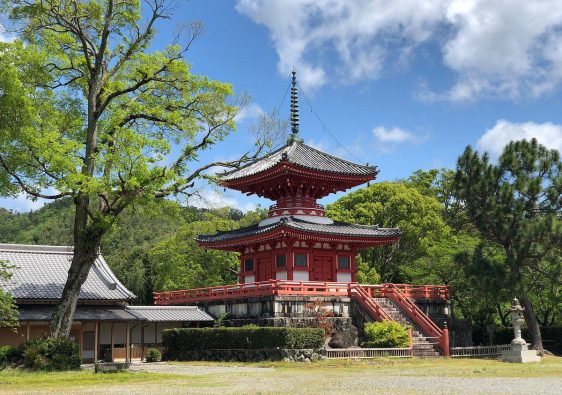
Another major site of Nara, theKofuku-jiis a Buddhist temple that was once one of the most powerful in the country. Although several of its buildings have been destroyed or moved over the centuries, the temple is still known for itsFive-storey pagoda, the second highest in Japan. In addition to the pagoda, the Kofuku-ji National Treasure Museum exhibits precious Buddhist sculptures, some of which date back to the Nara era (710-794). The visit of Kofuku-ji allows you to dive into the Buddhist history of Japan and admire the architecture and religious art of that time.
The National Museum of Nara: A Treasure of Art and History
Located near Nara Park, theNara National Museumis a must for art and history lovers. This museum houses an extensive collection of Buddhist sculptures, paintings, manuscripts and art objects dating back to Nara and later periods. The museum also presents temporary exhibitions on themes related to Japanese art and culture, providing visitors with a better understanding of the evolution of Japanese civilization through the ages. The museum’s main building is a fine example of late 19th-century architecture, while the most recent wing incorporates modern concepts while remaining true to traditional aesthetics.
Mount Wakakusa : A hike with a view
For hiking enthusiasts, theMount Wakakusaoffers an excellent opportunity to explore nature while enjoying a panoramic view of the city of Nara. The trail that leads to the top of the mountain is accessible and requires only about 30 to 40 minutes walk. Once at the top, visitors are rewarded with stunning views of Nara, its temples and surrounding landscapes. Each yearWakakusa Yamayaki festivalThe mountain is burning up, as the inhabitants set fire to a spectacular tradition that attracts crowds of spectators.
Horyu-ji: The Oldest Buddhist Temple in Japan
Although technically located outside Nara, theHoryu-jiis a must for visitors to the region. This temple, located about 30 minutes’ drive from Nara, is considered the oldest Buddhist temple in Japan and one of the oldest wooden buildings in the world. A UNESCO World Heritage Site, Horyu-ji is home to invaluable Buddhist art treasures and architecture that reflects the religious and cultural importance of the temple over the centuries. The temple is a living witness to the introduction of Buddhism in Japan, and a visit here offers a real journey through time.
The Culinary Specialities of Nara
After a day of exploration, visitors can enjoy the local specialties of Nara. Thekakinoha-zushi, sushi wrapped in a khaki leaf, is an emblematic dish of the region, just like thenarazuke, vegetables marinated in sake. For lovers of sweets, thekuzumochi, a traditional kudzu root dessert, is a must. Many restaurants in Nara also offer vegetarian meals inspired by the cuisineshojin ryoriSimple but tasty Buddhist cuisine.
Nara, rich in history, culture and natural beauty, is a must-see destination for anyone wishing to discover an authentic and traditional Japan. Between its ancient temples, mystical shrines, deer parks and enchanting festivals, this city offers a unique experience. Easy access from Osaka and Kyoto, Nara lends itself to a day trip as well as to an extended stay for travellers wishing to deepen their exploration of Japanese heritage.
If this article has brought you useful information and can help other travellers prepare for their stay, a Google review will always be appreciated. |
|

Learn more about preparing your trip to Japan
Discover more from Evasions Rebelles - Travel Planner Japon
Subscribe to get the latest posts sent to your email.