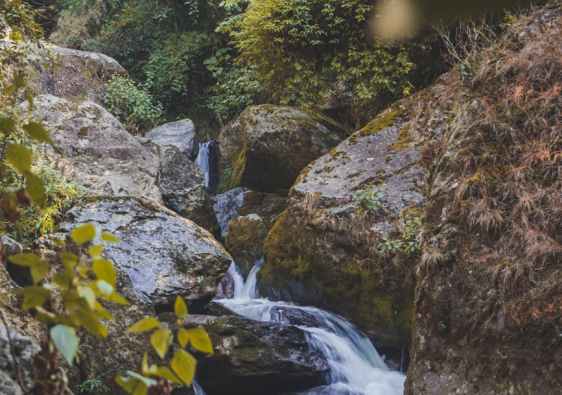
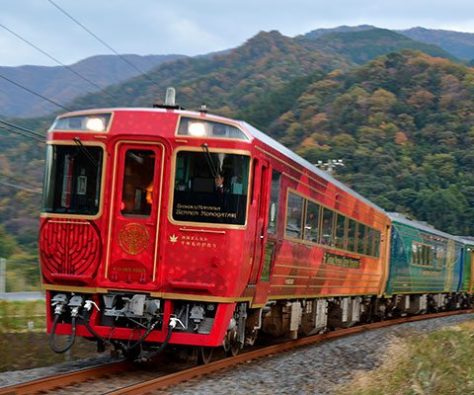
Shimanto is a small town about 100 kilometres west of Kochi (Shikoku). The main tourist attraction of this area is the Shimanto River. Crossing the city of the same name, it offers many activities. The place is ideal for camping and hiking. You can also embark on a barge for a quiet 196km cruise along the river.

Chinkabashi Bridge
Chinkabashi are submersible bridges designed without side rails to reduce the risk of the bridge being swept away during flooding. These low and trapus bridges have become a symbol of the Shimanto region and seem even better to blend into the landscape than a traditional bridge. Although there are many chinkabashi along the river, the Sada Chinkabashi is the longest and closest to the mouth of Shimanto. You will recognize him with his pretty blue “foot”.
Crossing a bridge without balustrade is a gloomy experience and allows visitors to sit on the edge, admire the landscape and swing their feet over one of the most important rivers in Japan. One of the best ways to discover the area is to rent a bike at the nearest train station (Nakamura station).
Kaiyodo Hobby Museum
The Kaiyodo Hobby Museum exhibits more than 5,000 figurine exhibitions, model kits, comic strips, toys and much more. The museum presents the history and extensive collection of Kaiyodo, an important figurine manufacturer, renowned for its elaborate designs, attention to detail and unusual designs.
The journey into this other world begins on arrival, in front of the surprising building. The museum opened in 2011 and is housed in the redeveloped gymnasium of an abandoned primary school as part of a project to revitalize this depopulated area.
The Kaiyodo Hobby Museum pursues the goal of understanding all the ways in which anime has impacted Japanese pop culture through time, and continues to do so today.
Kappa Museum
Kappa is one of Japan’s most famous Yokais (Legendary Creatures). It is said that he is about the size of a child and is recognizable by their green skin, their beaks, their turtle shells on the back and the plaque filled with water on the top of their head. Kappa live in areas around rivers or ponds and are filous who like to prank humans or challenge people in Sumo games. They say their favorite food is cucumber. These creatures have appeared in legends dating back hundreds of years and are present throughout the country.
The Kaiyodo Kappa Museum pays tribute to these legendary creatures, with about 600 statues and works of art exhibited. From samurai kappa and comic scenes to rather scary creations, visitors will see many different sides of these aquatic luteins that love cucumber. Behind the museum is a shrine dedicated to the kappa, surrounded by hundreds of hand-made wooden figures.
The museum itself looks like a fairy tale cottage and is located in the wooded mountains near the Shimanto River, the ideal place to meet one of these mythical creatures.
Dragonflies Park
In this nature reserve, the Shimanto River allows many species of dragonflies and freshwater fish to flourish.
In the Akitsuio Hall (named after akitsu, dragonfly and io, fish in ancient Japanese) the world’s largest permanent collection of 1000 dragonfly species from all over the world and 300 species of freshwater and brackish water fish, most of which originate from the Shimanto River is on display.
Koinobori banners
Each year, from April to May, approximately 500 koi nobori banners are suspended over the Shimanto River.
The koi nobori are suspended throughout Japan as part of the celebration of Children’s Day, a festival on 5 May dedicated to prayer for the success and health of all children. Carps are seen as symbols of good augurs of courage and strength, as they go up the current counter-current.
The custom of flying these banners over a river began in the Shimanto River area nearly 50 years ago. A sports teacher heard young boys say that as they get older, no one would steal banners for them anymore. The professor was struck by this comment. Together with other members of the community, he gathered 50 carp banners and hung them to fly over the river. Today, about 500 koi nobori float in the wind to assure all children that, regardless of their age, carp will “nail” proudly and strongly for them every year.
To Shimanto
As in many parts of Shikoku, public transport options are scarce. Driving is both the cheapest and the easiest option, especially since there are no toll roads in Kochi. Moreover, roads are rarely crowded, making driving less difficult in Kochi than in other parts of Japan.
Shimanto is a quiet and attractive little town for lovers of nature, culture and water sports along the Shimanto river. If Shimanto does not have any temple of the Shikoku pilgrimage, she will be able to get to the side of Cape Town.Tosashimizu.
If this article has brought you useful information and can help other travellers prepare for their stay, a Google review will always be appreciated. |
|
Discover more from Evasions Rebelles - Travel Planner Japon
Subscribe to get the latest posts sent to your email.