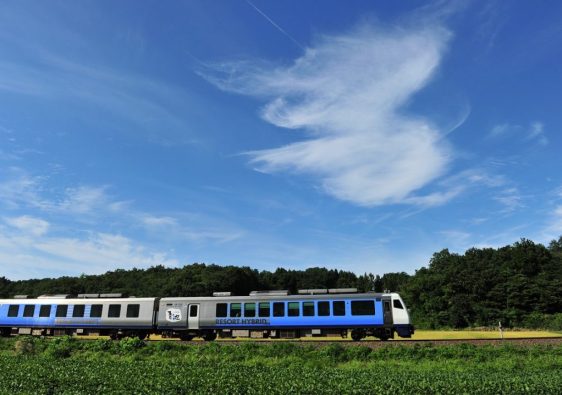
Exploring the south of Tohoku on board the SATONO train is a peaceful parenthesis in the heart of the rural landscapes of northeastern Japan. Designed by JR East as a “Joyful Train”, SATONO celebrates the conviviality, regional gastronomy and beauty of the countryside of Miyagi, Yamagata and Fukushima. This mandatory reservation panoramic train turns a simple journey into an immersive experience, ideal to enrich a route to Japan outside the major cities.

SATONO, a Joyful Train signed JR East
SATONO is part of the collection of tourist trains developed by JR East. These thematic trains value the regions crossed and encourage a thorough discovery of the territory.
The name SATONO evokes the idea of the native village, the symbol of attachment and human warmth in Japan. The experience offered on board reflects this spirit: slowness, contemplation, exchanges and local specialities are the rhythm of the journey.
The train runs mainly in the south of Tohoku, a region often unknown to international visitors but rich in culinary traditions, agricultural landscapes and local heritage.
emblematic routes through Miyagi, Yamagata and Fukushima

SATONO operates on several lines linking strategic cities of Tohoku.
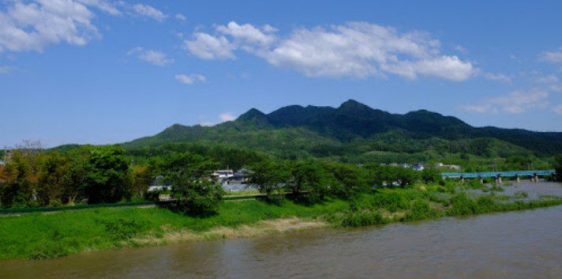
The Irodori SATONO line connects Sendai to Yamagata. This route crosses rural areas punctuated with mountains, rice fields and small villages, offering a varied panorama depending on the season.
The Aizu SATONO line connects Koriyama to Kitakata, in the heart of Fukushima Prefecture. This region is known for its traditional warehouses, sake culture and hilly landscapes.
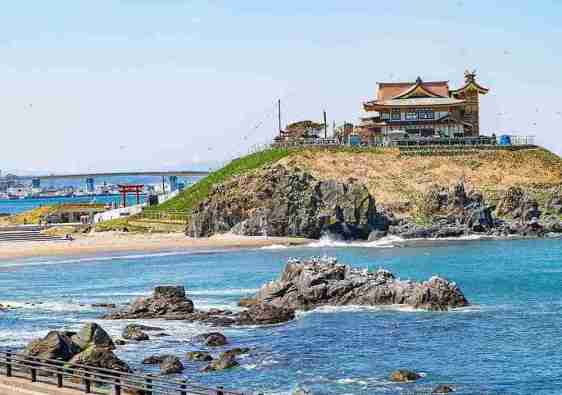
The Date SATONO line connects Sendai to Onagawa, on the Miyagi coast. This route allows you to discover sea views and fishing ports, with a maritime atmosphere typical of the North Pacific.
These routes can be combined with a wider exploration of Tohoku, including Sendai, Matsushima Bay or the Yamagata Mountains.
An immersion in the southern landscapes of Tohoku
One of SATONO’s major assets is the quality of the landscapes visible from the wide windows of the train.
In the spring, the countryside has flowers and the rice fields reflect the sky. In summer, the vegetation is lush and the reliefs green. Autumn offers a colourful show with maple trees and flamboyant forests. Winter turns the valleys into snow-covered scenes of great serenity.
The rhythm of the train promotes observation and photography. Unlike high-speed lines, SATONO prefers a look adapted to contemplation.
For travellers seeking authenticity and preserved landscapes, this is a particularly relevant option.
Cars designed for comfort and friendliness
SATONO consists of two separate cars.
The Green Car has 25 seats, including boxes with integrated tables. This configuration is ideal for enjoying a regional bento while enjoying the panorama. The layout promotes small groups and couples wishing to share a meal.
The second car consists of thirty-four reclining seats. The large windows provide a clear view of the countryside of Tohoku, with a pleasant natural brightness.
The interior atmosphere favours warm materials and a relaxing atmosphere, consistent with the train concept.
Regional gastronomy and local specialities on board
The SATONO experience focuses on culinary discovery. Bentos made up of regional specialities can be booked in advance via the dedicated service available on a smartphone in Japanese.
Depending on the line, you can enjoy Miyagi seafood, Yamagata mountain vegetables or iconic Fukushima dishes. Tohoku rice, renowned for its quality, occupies a central place in these meals.
Local drinks, including sake from regional breweries, are also offered for sale on certain lines.
To ensure the availability of meals, it is advisable to make the reservation several days before departure, especially during periods of heavy influx.
Tickets, reservations and rail passes
SATONO is a fully booked train. To board, you must have a base ticket corresponding to the distance travelled and a reserved seat ticket.
Passengers holding a JR East regional pass covering the area concerned, such as the JR EAST PASS for Tohoku, may reserve their seat at no additional cost if the trip is included in the validity zone.
Reservations can be made online via the JR East reservation system or directly at the windows of the main JR stations.
For an optimised route, it is recommended to check the compatibility of your pass with the lines taken and to anticipate reservations, especially during the tourist seasons.
Integrating SATONO into a route in Japan
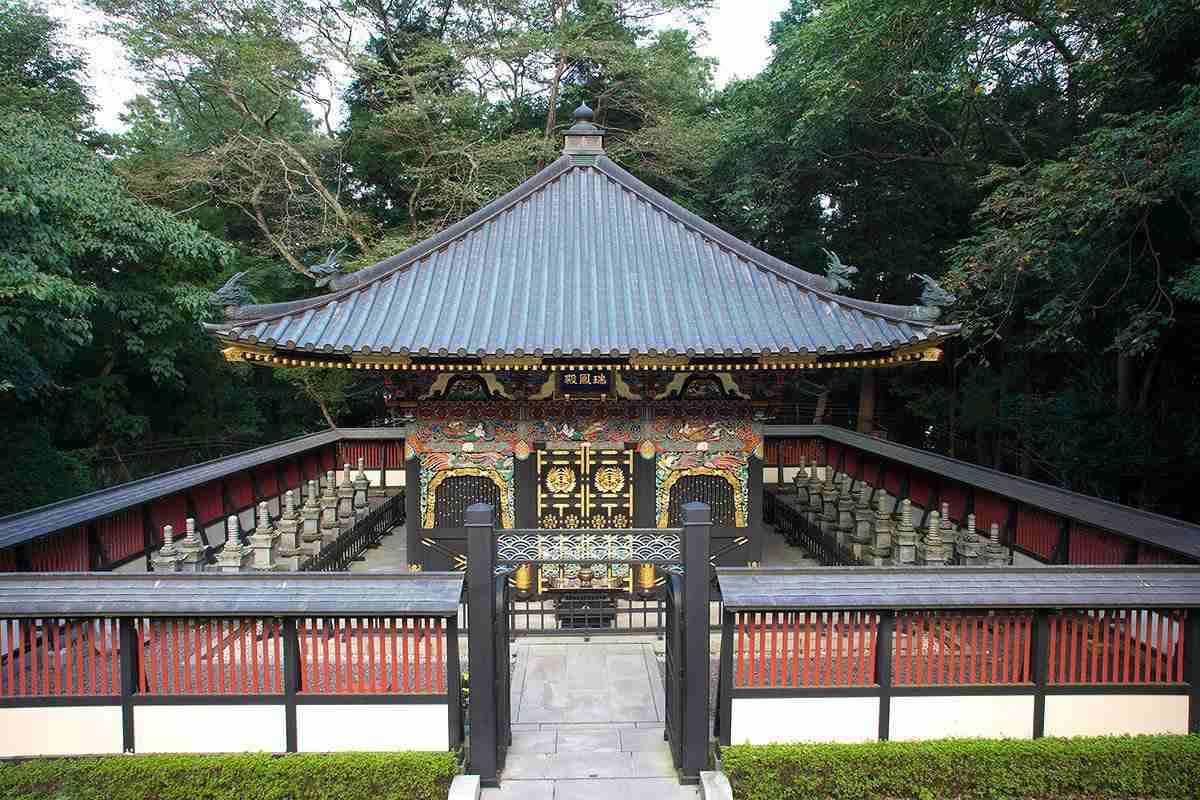
From Tokyo, Sendai is accessible in Shinkansen in about an hour and a half. This proximity facilitates the integration of SATONO into a stay in Japan.
A consistent route could include Tokyo, Sendai, and then a SATONO route to Yamagata or Onagawa, before continuing to other Tohoku destinations such as Akita or Aomori.
For lovers of gastronomy and rural landscapes, combining several Joyful Trains from JR East can be an original thread in the discovery of northeastern Japan.
SATONO’s interest lies in its ability to value less frequented territories while offering a significant comfort.
Why choose SATONO to discover Tohoku
To opt for SATONO is to focus on an immersive railway experience, focusing on the slowness, user-friendliness and presentation of local specialities.
In a trip to Japan that is often rhythmic by major cities and fast trips, this train offers a welcome breath.
It is an excellent option to enrich a circuit in Tohoku, discover emblematic agricultural landscapes and enjoy regional cuisine in a comfortable setting.
SATONO transforms a simple journey into a true moment of discovery, revealing the sweetness of the southern countryside of Tohoku and the culinary richness of this attractive region. Integrated with a well thought out itinerary, it becomes a highlight of your trip to Japan.
If this article has brought you useful information and can help other travellers prepare for their stay, a Google review will always be appreciated. |
|
Discover more from Evasions Rebelles - Travel Planner Japon
Subscribe to get the latest posts sent to your email.