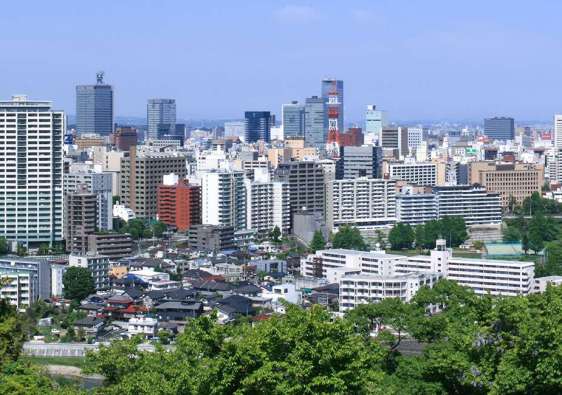
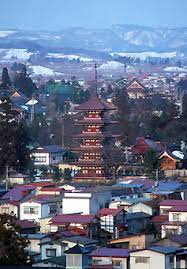
Nanbu is a small town that extends at the foot of the picturesque Nakui mountain cut in half by the Mabechi River. The retro atmosphere of the city is balanced with the surrounding nature that changes over the seasons, making it the ideal place to discover an idyllic Japanese countryside at any time of the year. The city is known for its fruits and beautiful orchards. It is said that whatever the time of year, there is always something that pushes Nanbu. And faithful to its reputation, visitors can pick fruit every month of the year, even in winter, although Nanbu is especially renowned for its cherries.
Nakui Yama
This small mountain (615m) impresses with its natural beauty and shape. Its shredded shape stands above the Hachinohe region, framing many idyllic landscapes that are admired in the surrounding towns and villages. In addition, its summit offers visitors a superb 360 ° view of the surrounding area, one of the best in Nanbu.
The mountain houses Hoko-ji, one of the most important and famous Buddhist temples in the region, and is considered by many as a holy or spiritual mountain.
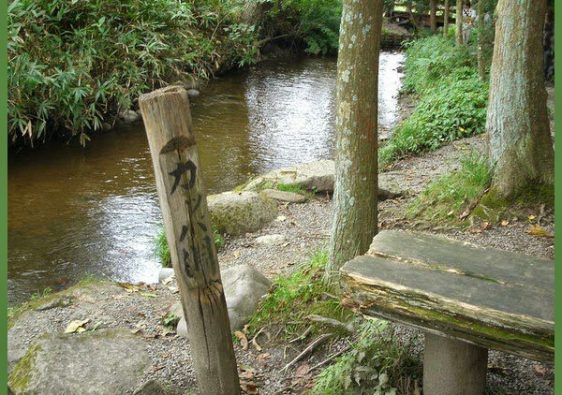
Whether you’re interested in its history, its role in local spirituality or just looking for a nice hike, then the mountain. Nakui is a great place to explore. There are several trails that lead to the mountain, but one of the best places to start is the Hoko-ji from which the kamoshika trail will take you to the top of the mountain in just over an hour.
Shojojiate Ruins
During the period of the warring states in Japan, about 500 years ago, the Nanbu region was headed by the Sannohe Nanbu branch of the Nanbu clan. The clan lived in a castle that was more like a fortified residence than a traditional Japanese castle.
Shojujidate Castle was burned in 1539, and high quality pottery of this period was extracted from the castle site. After the castle fire, the clan moved the site from its next castle to the interior, in the area that is now Shiroyama Park in Sannohe. During the reign of Hideyoshi Toyotomi, the clan settled in Fukuoka Castle in the town of Ninohe, before finally moving to the town of Morioka during the Edo period, where they built Morioka Castle.
Toshiyasu Nanbu Mausoleum
This mausoleum of the city of Nanbu was built for Toshiyasu Nanbu, the fourth son of the 27th lord of the Nanbu clan. He was born in the castle of Sannohe in 1608, and in 1626 he was appointed lord of the castle of Asamizu in the present city of Gonohe. Toshiyasu resided at the castle where he was managing administrative affairs. But in 1631 he fell ill and died at the age of 24.
The mausoleum built for Toshiyasu is the only of its kind in the history of the Nanbu clan and is decorated with extravagant materials such as gold and lacquer ornaments. It has an important historical value because it illustrates the use by the region of the Momoyama architectural style, as well as its aesthetic beauty. The mausoleum’s murals are in the style of the Kano school of the early Edo period. It was designated a cultural property of national importance in 1953.
Specialities to taste
Nanbu senbei
The Nanbu Senbei is a type of cracker that has long been popular in the Hachinohe region and the northern region of Iwate. It is the signature component of the most famous dish in the Hachinohe region, the Hachinohe Senbei soup. The soup is prepared by cooking a variety of vegetables and chicken or fish together, then as a final touch, broken Nanbu Senbei are added to the soup. The Nanbu Senbei used for Senbei soup are natural but the Nanbu Senbei are regularly prepared with a variety of toppings, including peanuts, sesame seeds, etc.
Ganbarudon
The ganbaru-don, or “try hard and fight on a bowl of rice,” was inspired by a dish that was sometimes served in school lunches at the time. The original was a double portion of meat served on rice and surmounted by an egg. This high protein and flavor dish was a favourite among school children with the thread, and the creators of the current ganbaru-don have tried to capture this nostalgia and comfort caused by the tasting of the dish.
Nanbu doki
Using wood chips made from local fruit trees such as Japanese plums and cherry trees, the store smokes a variety of foods such as nuts, salmon and mackerel. The shop also has a nice coffee.
Nanbu town tree houses
The tree-shaped huts in the city of Nanbu are a popular group of tree-shaped camping huts. In addition to these picturesque cabins, the camping area also includes toilets, showers, a kitchenette, making the stay here an original and comfortable adventure. The campsite also offers activities such as treasure hunts, tennis courts and even a 33-metre high athletic tower nicknamed “Dragon Tower”. This campsite is open from mid-April to the end of October.
Fruit picking
The city has great temperature differences throughout the year, allowing producers to grow a wide variety of delicious fruits. Of all the fruits that the city cultivates, it is best known for its cherries and pears.
No matter the season you choose to visit Nanbu, there will always be a delicious and fresh fruit waiting for you. Visitors will also be able to discover how the city cultivates its fruit during agricultural activities such as tree cutting, artificial pollination and tree pruning!
To Nanbu
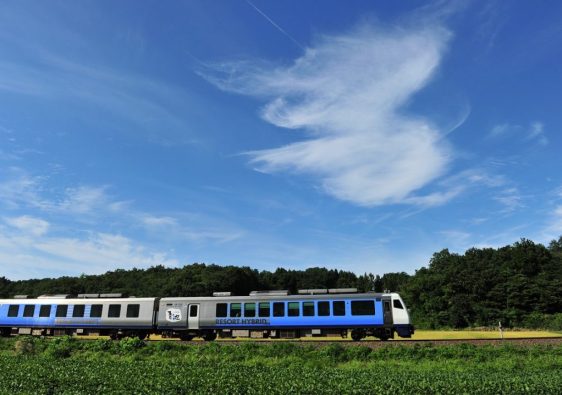
The most convenient way to get to Nanbu is to take the train to Hachinohe. It takes a little less than 2h45 to get from Tokyo to Hachinohe by the Japanese high-speed train (shinkansen).
At the JRHachinohStation, take the Iwate Galaxy railway to Sannohe and get off at Sannohe stop (which is not the terminus).
Nice country town with plenty of fruits, Nanbu has incredible sights to see and experiences to live for all those who want to explore Japan a little deeper. July is an excellent season to visit Nanbu because it is the season of cherries that make its reputation, but each season offers beautiful landscapes and delicious fruits.
If this article has brought you useful information and can help other travellers prepare for their stay, a Google review will always be appreciated. |
|

Learn more about preparing your trip to Japan
Discover more from Evasions Rebelles - Travel Planner Japon
Subscribe to get the latest posts sent to your email.