
Kamakura, the former capital of Japan, is a coastal city close to Tokyo that is seduced by its rich cultural heritage, its numerous Buddhist temples and Shinto shrines, its beaches and its typical neighborhoods. This guide details the main places to visit by grouping them by themes and neighborhoods, to help you organize your stay according to your interests.
Discovery of major temples and spiritual sites
Kamakura’s spiritual heart is made up of several essential temples and shrines.
The Great Buddha of Kamakura (Daibutsu)
Located at Kotoku-in temple, this monumental bronze statue of Buddha is an emblematic symbol of the city. You can admire its impressive size, its serene expression, and discover the history of its construction.
Hase-dera Temple
This temple is famous for its wooden statue of the goddess Kannon. It also offers a remarkable panorama of Kamakura Bay from its terraces, ideal for photographs.

Tsurugaoka Hachiman-gu Shrine
The most important Shinto shrine of Kamakura, dedicated to Hachiman, god protector of samurai. The site includes several historic buildings and a large red tori that marks the main entrance.
Zeniarai Benten Sanctuary
A unique place where visitors wash their rooms in a sacred source to attract luck and prosperity. This site combines spirituality and local folklore, with a mystical atmosphere to discover.
Zen temples and peaceful gardens in Kita-Kamakura
The district of Kita-Kamakura is renowned for its quiet and spiritual atmosphere, ideal for lovers of Zen temples and nature.
Kenchō-ji Temple
The oldest Zen temple in the city, Kenchō-ji offers a garden for meditation, traditional buildings, and often Buddhist ceremonies visible to visitors.
The Engaku-ji Temple
Another major Zen temple, known for its imposing Sanmon portal and its neat gardens. The place invites for contemplation and calm.
The Hokoku-ji temple and its bamboo garden
This temple is famous for its bamboo garden, which offers an exceptional setting for a soothing walk, with a particular natural atmosphere.

The Meigetsu-in Temple
Known for its stone garden and seasonal moisturized flowers, Meigetsu-in attracts visitors particularly in the spring, with a photogenic and peaceful setting.
The Enno-ji Temple
Located in the same neighborhood, Enno-ji offers a spiritual experience centered on the concepts of hell in esoteric Buddhism, offering a different perspective on Japanese religion.

Walks and relaxation between nature and beach
For direct contact with nature, Kamakura offers several accessible sites.
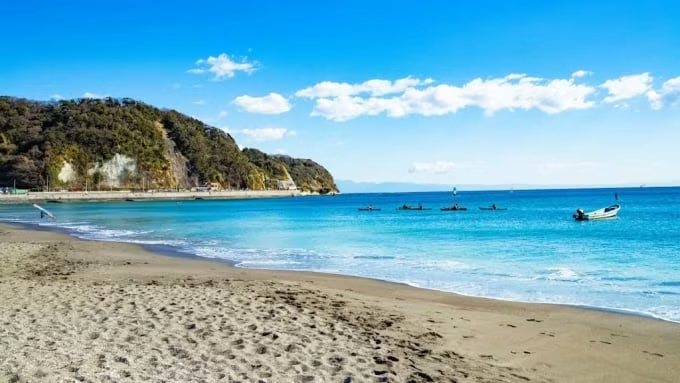
Yuigahama Beach
This beach is easily accessible from the city centre, offering a relaxing place by the ocean. It is a good complement to the cultural visit.
The gardens and trails of Kita-Kamakura
In addition to the temples, this area has several gardens and forest trails that promote disconnection and quiet walking.
Komachi-dori neighbourhood: local life and commerce

Komachi-dori shopping street
This lively street is the heart of the shopping and gastronomic life in Kamakura. There you will find craft shops, culinary specialties, cafes and souvenirs.
Tips for enjoying Komachi-dori
It is recommended to have a moment to stroll here, taste local snacks and discover artisanal products. It is also a good place to stop between visits.
Recommended routes according to your interests
One-day tour
A classic route is to see the Great Buddha, the Hase-dera temple, the Tsurugaoka Hachiman-gu shrine, and then finish with the walk in Komachi-dori.
Two-day visit
In addition to the sites of the day, add the Zen temples of Kita-Kamakura, including Kenchō-ji, Engaku-ji, Hokoku-ji, as well as a hike to Cape Hokokuji.
For history enthusiasts
Prefer a thorough visit to major temples and shrines, with time spent studying their architecture and history.
For nature lovers
Give more time to gardens, bamboo groves, forest trails and the beach, to fully enjoy the natural spaces.
Festivals and major events
Festival of April
This annual festival lasts a week and offers dances, traditional shows and animations around the Tsurugaoka Hachiman-gu shrine.
Reitaisai Festival in September
Celebrating samurai art, this festival features impressive demonstrations of horse archery, a historical martial heritage.

Visiting Kamakura makes it possible to combine a deep cultural immersion, historical exploration and moments of relaxation in nature, all easily accessible from Tokyo.

Si cet article vous a apporté des informations utiles et peut aider d’autres voyageurs à préparer leur séjour, un avis Google en cliquant sur l’image suivante sera toujours apprécié.

Pour une dose de Japon au quotidien, suivez-nous sur Threads
city, city, city, city, city, city, city, city, city, city, city, city, city, city, city, city, city, city, city, city, city, city, city, city, city, city, city, city, city, city, city, city, city, city, city, city, city, city, city, city, city, city, city, city, city, city, city, city, city, city, city, city, city, city, city, city, city, city, city, city, city, city, city, city, city, city, city, city, city, city, city, city, city, city, city, city, city, city, city, city, city, city, city, city, city, city, city, city, city, city, city, city, city, city, city, city, city, city, city, city, city, city, city, city
Discover more from Evasions Rebelles - Travel Planner Japon
Subscribe to get the latest posts sent to your email.


