Narita is a city in Chiba Prefecture, about 60 kilometres east of central Tokyo. The city is best known as the Tokyo International Airport site, but is especially interesting for visitors interested in Japan’s ancient and modern history.
Aerospace Museum
The Aviation Science Museum is a museum of aviation located just outside Narita Airport, at the southern end of its main runway. The museum exhibits many authentic aircraft exhibited, as well as simulators and other practical activities.
The third floor of the museum has an outdoor observation terrace with views of the southern end of the Narita airport runway, while the fourth floor houses a restaurant and the fifth floor houses an indoor observatory inspired by a flight control tower. The two observation zones and the restaurant offer a beautiful view of the planes that take off and land. Entry costs 700 yen.
Naritasan Shinshoji
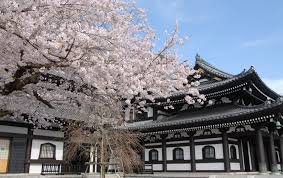
Naritasan Shinshoji Temple is a large complex of popular Buddhist temples, not far from Narita Airport. It is an excellent site to visit if you have three or more hours to spend around the airport and want to have a glimpse of historical Japan.
Naritasan was built in the year 940 around its main object of worship, a statue of the Buddhist divinity Fudo Myoo. Kobo Daishi, the founder of Shingon sect and one of the most important figures in Japanese religious history, would have carved the statue.
A wide variety of temples stands on the vast terrain of Naritasan, including the new and old main halls of the temple, a three-storey pagoda and a huge Tahoto-style pagoda, called the Great Peace Pagoda. There is also a nice park, which includes both traditional Japanese and European elements.
The Omotesando de Naritasan is a lively street lined with many restaurants and shops, selling traditional crafts, food and souvenirs to pilgrims and tourists for centuries.
Rekihahu, National Museum of Japanese History
The National Museum of Japanese History traces the history and cultural development of the Japanese people. The permanent exhibition covers six galleries, each covering a period from prehistory to modern Japan. The exhibitions are well designed and include many cultural artifacts, reproductions and models.
A seventh gallery hosts temporary exhibitions. Most galleries at permanent exhibitions have signs and descriptions in English, and audio guides in English are available free of charge at the reception. The museum is located not far from Narita Airport on the former plot of Sakura Castle. There is also a botanical garden nearby.
The entrance costs 600 yen, provide a supplement for temporary exhibitions.
Katori jingu
Katori Jingu is a popular Shinto shrine outside Sawara, northeast of Narita. It is the main sanctuary of several hundred Katori shrines found throughout Japan. It is dedicated to Futsunushi no Mikoto, the protector of the military, and is a popular and important sanctuary since the Samurai era.
Boso no mura
Boso no Mura is an open-air museum that plunges visitors into the traditional local lifestyle and craftsmanship of the Boso region, which is a former name for the region that corresponds roughly to the present prefecture of Chiba. It reproduces a local village typical of the Edo period (1603-1867), with merchant houses, workshops and farms.
Narita is a beautiful stage in the discovery of Chiba andSawara.
If this article has brought you useful information and can help other travellers prepare for their stay, a Google review will always be appreciated. |
|
Discover more from Evasions Rebelles - Travel Planner Japon
Subscribe to get the latest posts sent to your email.