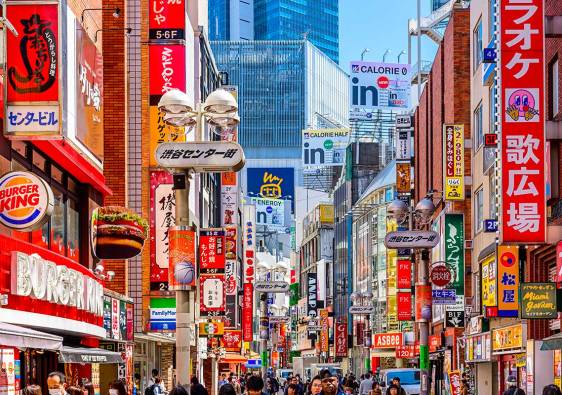
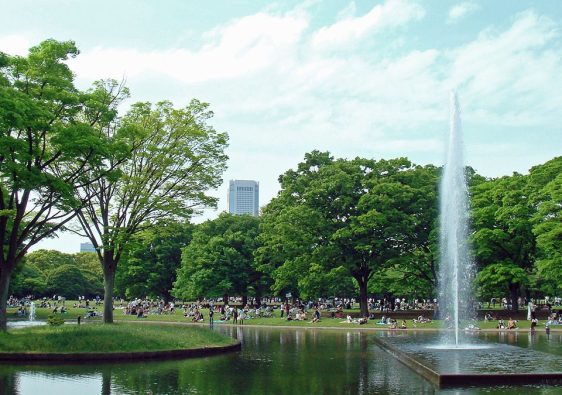
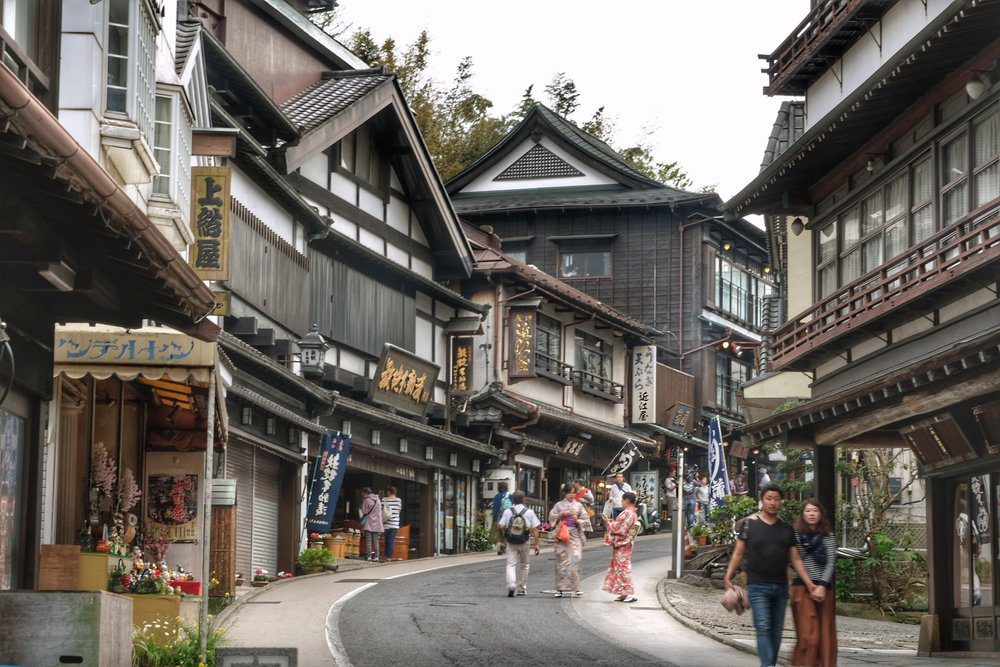
Sakura has prospered as a base of Hokuso since ancient times and was the largest fortified city in the prefecture. The ruins of the castle of Sakura, the only castle in the prefecture of Chiba that was selected as one of the 100 remarkable Japanese castles, are now preserved as a park of the site of the castle, which offers a space of relaxation to many citizens. The city of Sakura can be visited on foot or to optimize time, you can choose to rent a bike for only 500 yen a day, so you have more time to enjoy this beautiful day trip from Tokyo.
National Museum of Japanese History
Located in the botanical garden, it is the most important museum of Japanese history, where research is always carried out and where it is possible to see a large exhibition with interesting explanations not only about the history of Japan from the beginning of the Kamakura period to the economic boom of the “bubble” and today, but also sections devoted to traditions, legends and matsuri and memories of the different regions of Japan. Museum entrance costs 600Y and includes an audioguide. The entrance to the botanical garden costs 100Y.
Sakura Castle Park
Unfortunately, from the castle of Sakura, there is only the beautiful park where the different species of trees and flowers offer a magnificent setting for a walk in any season. The park also houses a tea house.
Samurai District
The Samurai neighbourhood of the city of Sakura still has several samurai houses, some inhabited and not open to visitors, while three are open to the public. The three samurai houses of the Kawahara, Tajima and Takei families visit each other and besides seeing the small gardens, you can also visit the interiors where objects of everyday life of the time are displayed. Nearby is also the samurai forest, a nice garden with several fruit trees, bamboos and a beautiful pond, where the samurai of the city loved to walk. A few steps away from the houses of the samurai, there is also the Makata temple, a small worshipped temple of the samurai, who often went there because it is said that it protects the city of Sakura and the samurai themselves. A ticket combined with 600Y allows you to visit the three houses. Access to the garden and temple is free.
Hotta Residence
On the other side of the city of Sakura are the beautiful garden and house of the last feudal lord of Sakura, Masamoto Hotta. The residence is one of the best preserved traditional feudal houses in Japan. About fifteen rooms with different colours and decorations, created according to the taste of the era. A small indoor garden can be admired from some rooms, while a larger garden surrounds it. Entry costs 320Y.
Sakura Furusato Square and Windmill
On Lake Inba, there is a vast area dominated by a windmill offered by the Netherlands. Every April, thousands of colourful tulips bloom and can be picked by visitors at the Sakura Tulip Festa. In summer, it is the spectacle of sunflowers and fireworks on the lake that attracts many visitors. In October it is the colours of the cosmos that brighten this beautiful park.
Getting to Sakura
The city of Sakura is served by both the JR Sobu Line and Keisei Line railways linking Tokyo to Narita. The two stations, Sakura JR and Keisei Sakura are 2 km from each other, but the main attractions are also distant.
If this article has brought you useful information and can help other travellers prepare for their stay, a Google review will always be appreciated. |
|
Discover more from Evasions Rebelles - Travel Planner Japon
Subscribe to get the latest posts sent to your email.