Japan is not limited to its major iconic brands such as Honda, Suzuki, Kawasaki and Yamaha. The archipelago offers an exceptional playground for bikers, with well-maintained roads, varied landscapes and an organization that facilitates travel. Exploring Japan on a motorcycle allows access to more confidential areas, to stop freely and to take full advantage of routes as well as stages. Here’s all you need to know before you leave: license, rental, equipment, driving rules and more beautiful roads.

Prepare your bike trip to Japan
Even before thinking about the route, some administrative steps are necessary. Without them, no rental will be possible — and this is often the first obstacle for French bikers.
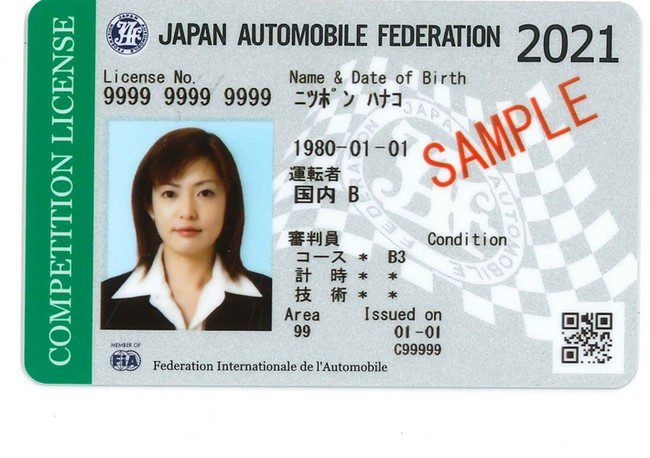
Japan does not recognize the classic French international permit. It is therefore necessary to translate its national permit into Japanese, usually via theJapan Automobile Federation(JAF). Count 3,000 to 4,000 yen (about 20 to 25 €) and 1-2 weeks of delay. Without this document, no rental will be possible.
It is imperative to travel with original documents. Digital copies are not accepted. A valid passport is also required when renting.
In terms of conditions, the minimum age for renting a motorcycle is generally set at20 years(18 years for 50 to 125 cm3). For large cylinders (400 cm3 or more), some agencies impose additional insurance restrictions — and the permit must have been obtained for at least 2 years.
Book your bike requires a minimum anticipation. The most popular models, especially in the high season in spring and fall, can be completed several weeks in advance. It is advisable to reserve2 to 4 months before departure.
Rent a motorcycle in Japan
The rental network is well developed, with agencies operating in all major cities. Here are the reliable actors, prices and pitfalls to avoid.
Among the most reliable actors,Rental819stands out with a wide range of motorcycles, from scooters to high-end touring models, and more than 100 agencies across the country. Count:
- 50-125 cm3(scooter, small cube): 3,000 to 6,000 ¥/day (18 to 35 €)
- 126-400 cm3(standard moto): 6,000 to 10,000 ¥/day (35 to 60 €)
- 400 cm3 and +(touring, sports) : 10 000 to 20 000 ¥/day (60 to 120 €)
Motorcycles are generally well maintained and include assistance in case of problems. Some agencies also offer rental equipment (cases, gloves, bags). When taking the vehicle, provision should be made between30 and 45 minutesfor the formalities, documentation verification and explanations related to the motorcycle.
The fuel policy is simple: the bike is supplied with full capacity and must be returned in the same condition. It is recommended to keep the ticket from the last gas station. Count1 700 to 1 900 ¥ fullfor a medium-sized motorcycle (15 L tank, 170-190 ¥/L petrol).
Equipment and security
In Japan, equipment is taken seriously. Some agencies may refuse to rent a motorcycle if the biker is not properly equipped — here’s what to expect.
Onefull helmetis indispensable, accompanied by aprotective jacketalong pantsand ideally suitable gloves and shoes. Although equipment can be rented on site (5,000 to 15,000 ¥ for the whole), using its own equipment remains more comfortable and often cheaper.
Subscribe to asupplementary insuranceis highly recommended. Repairs can be expensive, and basic insurance often includes a large deductible (50,000 to 100,000 ¥). Count 2,000 to 4,000 ¥/day for all-risk insurance, or 10,000 to 20,000 ¥ for full coverage over 7 days.
Understanding driving in Japan
Left-hand driving takes time to adapt, but Japanese rules are generally simple to remember. Here are the essential points to know before you take the road.
Driving is to the left. Speed limits are strict and must be respected:
- City: 30 to 40 km/h
- Secondary roads: 50 to 60 km/h
- Highways: 80 km/h (100 km/h on certain sections)
The highways are paid. Most rental motorcycles are equipped with the systemETC, which allows to switch automatically tolls. There are 1,500 to 3,000 ¥ for a Tokyo–Hakone (100 km) and 8,000 to 12,000 ¥ for a Tokyo–Osaka (500 km).
Parking is regulated. It is imperative to use dedicated locations for motorcycles to avoid fines (10 000 to 20 000 ¥) or removal of the vehicle (30 000 to 50 000 ¥). Some specific restrictions exist, including the ban on transporting a passenger on certain urban motorways in Tokyo.
Navigation and language barrier
Navigation is generally simple, but rural areas have some surprises. Here’s how to equip yourself so as not to get lost.
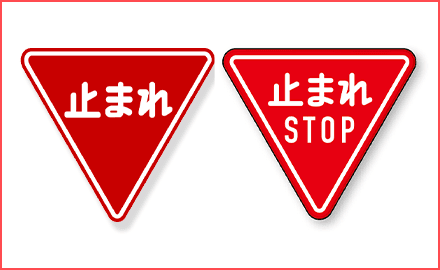
The main axes have panels in Japanese and English, but this is not always the case in rural areas. Using a smartphone withGoogle Mapsgreatly facilitates travel — many rental motorcycles are equipped with telephone supports.
For areas without network, download offline cards before departure. ApplicationJapan Transit Planneris useful for trains, but for motorcycles, prefer Google Maps or Maps.me. A waterproof telephone support (2,000 to 5,000 ¥) is a profitable investment.
When to go for a motorbike road trip in Japan
The choice of season strongly influences the experience. Here are the advantages and disadvantages of each season, with average temperatures and precautions to take.
| Season | Temperatures | Advantages/disadvantages |
|---|---|---|
| Spring(March-May) | 10-22 °C | Pleasant temperatures, cherry blossoms. But some mountain roads remain closed until early May. |
| Summer(June-August) | 25-35 °C | Hot and wet, rainy season (June) and typhoons (August-September). Avoid long journeys. |
| Autumn(seven-Nov.) | 12-24 °C | Often considered the best season: stable climate, leaf colours (kōyō), open roads. |
| Winter(Dec Feb.) | 0-10 °C | Limited in the north and mountainous areas (snow, closed roads). South Japan (Okinawa, Kyushu) remains practicable. |
In summary:Autumn(October-November) is the best season for a motorcycle road trip, followed by theSpring(April-May). Avoid summer (heat, rain, typhoons) and winter (snow, closed roads) unless you stay in the south.
The most beautiful motorcycle routes in Japan
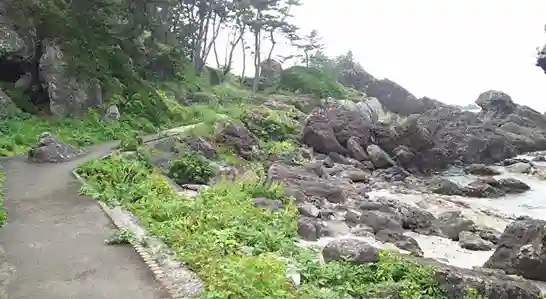
Japan is full of routes adapted to all driving styles. Here are the five regions to be targeted, with their emblematic roads and specificities.
Hokkaidooffers long clear roads, ideal for driving without stress. The landscapes are vast and wild, with little circulation. It is simply necessary to anticipate the distances between service stations (sometimes 100 km).
In theTohoku, roads like theBandai Azuma SkylineorZao Echo Linethrough spectacular landscapes, especially in autumn. Count 1,500 to 2,500 ¥ of toll for these panoramic roads.
AroundMount Fuji, the roads of the Five Lakes region and the Izu peninsula offer varied panoramas, combining sea and mountains. TheFuji Subaru Line(page 2,100 ¥) goes up to the 5th station.
Shikokuallows to follow part of the pilgrimage of the 88 temples, with narrower roads and a more rural atmosphere. TheShimanami Kaido(70 km, bridges and islands) is a must.
Kyushuoffers impressive volcanic routes, especially around theMount Aso, with open and dynamic roads. TheYamanami Highway(not to be confused with the Tokyo Yamanote) crosses the mountains for 50 km.


Organization and logistics on the road
Japan facilitates motorcycle travel through its infrastructure. Here are the points of support to know to plan your steps calmly.
Themichi no ekiThere are a lot of places around the world to take comfortable breaks with toilets, restaurants and local products. There are more than 1,200 of them across the country.
TheKonbini(7-Eleven, FamilyMart, Lawson) open 24 hours a day are also convenient stops for refuelling (meals 500-800 ¥, coffee 150 ¥, free toilet).
It is advisable to plan its stages in advance, especially in rural areas where accommodation may be limited. Count 8,000 to 15,000 ¥/night for a business hotel, 15,000 to 30,000 ¥ for a ryokan with dinner and breakfast. For motorcycle trips,rider houses(bikers’ hostels, 4,000 to 8,000 ¥/night) are an economical and user-friendly option.
Bike culture in Japan
Japan has a well-established motorcycle culture, between weekend walks, bosozoku heritage and museums dedicated to major brands. Here’s what you need to know to enjoy it.
Group walks are common, often organized on weekends. Informal gatherings are held on thetouge(mountain schools) andmichi no ekiSunday morning. The most famous is theDaikanyamaTokyo, where bikers meet on Sunday morning.
The history ofbosozoku(bands of rebellious bikers of the 1970s-1990s) remains a significant facet, although these groups are now much less visible. They have marked the popular Japanese culture (mangas, films) and some enthusiasts still collect their customised motorcycles.
Amateurs can also visit sites related to the motorcycle industry:Honda Collection Hall(Motegi, free entry), theYamaha Communication Plaza(Iwata, free),Suzuki Plaza(Hamamatsu, free) and theKawasaki Good Times World(Kobe, 600 ¥). A true pilgrimage for the passionate.
Tips for a successful trip
A motorcycle road trip in Japan requires anticipation but remains accessible with good preparation. Here are the five reflexes to adopt before and during the stay.
- Book early: the most requested models (large cylinders) are complete 2 to 4 months in advance in the high season.
- Check the weatherTyphoons (August-September) and the rainy season (June) can spoil a route. ConsultJapan Meteorological Agency(JMA) before each step.
- Provide suitable equipment: full helmet, protective jacket, gloves, rising shoes, and rain protection (k-way, over-pant).
- Understand traffic rules: left-hand drive, strict limitations, regulated parking, ETC mandatory on motorway.
- Manage your timeSince speed limits are low (50-60 km/h on secondary roads), distances often take longer than expected. Count 40-50 km/h of real average.
Travelling by motorcycle in Japan makes it possible to discover the country from a different angle, with great freedom of movement and easy access to less frequented areas. It is an immersive experience, where the journey becomes as important as the destination — and where every turn, every michi no eki, every sunset on the Japanese Alps becomes an imperishable memory.
Frequently asked questions to travel on a motorcycle in Japan
Do you need a special license to drive a motorcycle in Japan?
How much does renting a motorcycle in Japan cost?
Can we ride a motorcycle in Japan in winter?
What are the essential rules of conduct to know?
Which are the most beautiful motorcycle routes in Japan?
Can we camp with his bike in Japan?
|
If this article has brought you useful information and can help other travellers prepare for their stay, a Google review will always be appreciated. |
|
Want a daily dose of Japan? Follow us on Threads.
Discover more from Evasions Rebelles - Travel Planner Japon
Subscribe to get the latest posts sent to your email.