Parking in Japan can be complex, especially in large cities like Tokyo. Between different types of parking, specific signage and strict rules against illegal parking, it is essential to understand the system well to avoid fines and facilitate its driving experience. This guide will help you learn everything about parking in Japan.
Signs · types of parking spaces · payment · fines · permits
1Parking signs
The signs are generally clear thanks to the international symbol “P”. But it’s best to know the nuances to never park in the wrong place.
Round, blue background, red cross.Whole cross: totally forbidden parking.Partial crossOnly a prolonged stop is prohibited.
Location reserved formonthly subscribers: not available for one-time parking.
Large car parks show the number of places left.(kara) = “free space”.
Blue panel with a white “P” followed by thetime allowed(e.g. 60 minutes).
2Types of parking
Some streets allow paid parking: buy a ticket from the computer andPlace it on the windscreen.
Rules specific to each parking lot, but most often a wheel lock: the bar rises under the car and only goes down after total payment. Details inSection 4.
You park the vehicle on a platform, then a system stores it in height.Remember to pull down your mirrorsBefore we go out.
3Decoding the rate panel
Prices are on large coloured panels at the entrance. Find those key kanjis.
Fictitious example: max 700 ¥ / 24 hours after entry, renewed every 24 hours.
| Kanji | Reading | Meaning | Why it’s crucial |
|---|---|---|---|
| Ryōkin | Tariff / Price | Price Section. | |
| Saidai Ryōkin | Maximum tariff | Most important.Guaranteed ceiling (ex: 700 ¥ max). | |
| Tōjitsu / 24-jikan | Same day / 24 hours | Duration of the maximum rate. | |
| Nyūko-go | After entry | “X yen max for 24 hours after parking the car”. | |
| Kurikaeshi Tekiyō | Repeatedly applicable | The max is renewed every 24 hours (ideal several days). | |
| 1 | Ikkai Kagiri | Only once | Max only valid for the first 24 hours, then it climbs! |
| Hiru / Yoru | Day / Night | Different rates (ex: 08:00–20:00 / 20:00–08:00). |
4System 1: ground flap (Flap Lock)
Most common downtown.No barrierAt the entrance.
5System 2: gate and ticket (Gate)
System used in particular at the port of Miegusuku.
We either pay to onepedestrian terminalbefore joining the car, eitherat the exit gateFrom the window.
- (Chūsha Ryōkin): amount due
- : “Please insert the ticket”
Ticket → money (parts or 1,000 ¥) → the barrier rises.
6Recognize terminal buttons
Survival reminders
Keep tickets of 1,000 ¥ ( Tickets of 5,000 ¥ and 10,000 ¥ are rejected by 90% of the small neighbourhood terminals.
Yellow or kanji markings(Sen’yō, reserved): Don’t park there.
7Parking rule in reverse
8Illegal parking and fines
- Intersections and pedestrian crossings
- Bus stops and entrances to buildings
- Access to fire stations and emergency equipment
9Driving licence in Japan
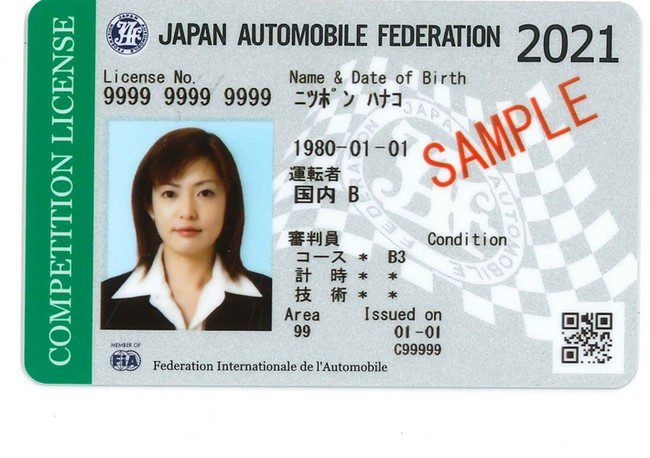
We need aofficial translationor a Japanese license. Official translation is carried out by theJapan Automobile Federation (JAF).
Check with the JAF before you leave.
Understanding parking in Japan is essential to avoid fines and facilitate travel. By knowing the different types of parking, signs and parking rules, you can enjoy your stress-free driving experience.
If this article has brought you useful information and can help other travellers prepare for their stay, a Google review will always be appreciated. |
|
Discover more from Evasions Rebelles - Travel Planner Japon
Subscribe to get the latest posts sent to your email.