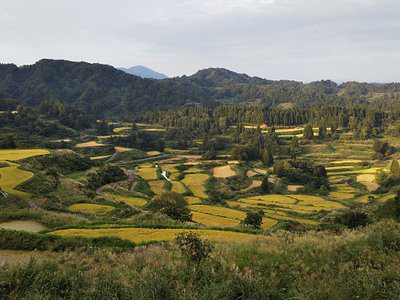
Nestled between Tokyo and Nagoya, Shizuoka Prefecture is a often neglected stage but rich in discoveries for travelers exploring Honshu. Combining historical heritage, maritime and mountainous landscapes, tea culture and tranquillity, it is a relevant stop to better understand the diversity of Japan along a slower route. The city of Shizuoka, the prefectural capital, is an excellent starting point.
Geographical and historical overview
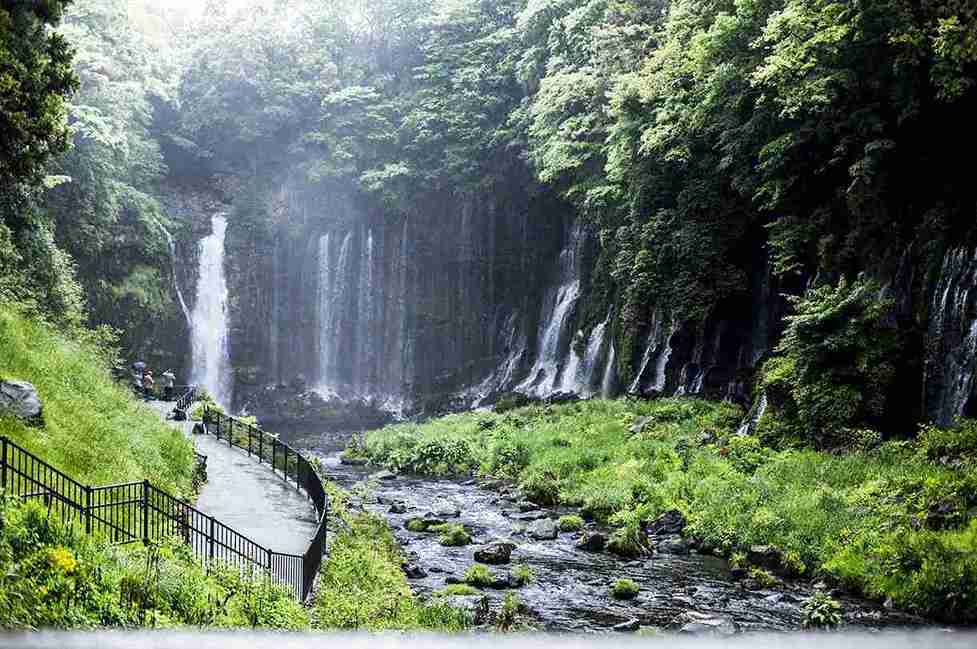
Located south of Mount Fuji, Shizuoka Prefecture extends from the Pacific coast to the foothills of the main island. Its central position makes it an important crossroads since the Edo era, thanks in particular to the Tokaido road which then linked Edo (Tokyo) to Kyoto. The city of Shizuoka itself, historically known as Sunpu, was closely linked to Tokugawa Ieyasu, who spent much of his life there. This historical link is still visible in the many sites linked to the shogun, starting with the Sumpu Castle.
Sumpu Park and Tokugawa Castle

In the heart of the city, close to the train station, Sumpu Park occupies the former Tokugawa Ieyasu Castle. Several parts of the complex have been restored, including the Hitsujisaru Yagura Tower, which presents an immersive exhibition on local history. The Momijiyama Garden, which is included in the park’s grounds, allows you to enjoy a plant setting in any season, with its cherry trees in the spring and maple trees in the autumn. A break in the Momiji-tei tea house offers a glimpse of the local art of living around tea.
Yatsuyama and Kiyomizu-dera: hiking and spirituality

About 20 minutes’ walk from the city centre, Yatsuyama Park extends over wooded hills crossed by well-maintained hiking trails. This gentle relief also houses a small Buddhist temple, Kiyomizu-dera, surrounded by ancient statues and bamboos. Less known than Kyoto, however, it offers a serene atmosphere. The walk allows to alternate between religious discoveries and views of the city and the sea.
Sengen Jinja Shrine: Shinto Spirituality and Heritage

Located on Mount Shizuhata, within walking distance of Sumpu Park, Sengen Shrine is home to three historic shrines. The complex is classified as an important cultural property and is a representative example of Shinto religious architecture. It is also at the centre of several local festivals, including the one on 5 April. This place is particularly frequented by the inhabitants for seasonal rites and early year visits.
Shimizu Fish Market: culinary immersion
To the west of the city, in Shimizu district, the local fish market offers a more authentic alternative to Tokyo markets. Little frequented by tourists, it allows to discover the local marine cuisine in a friendly setting. Himonico, sashimi, wasabi ice cream or seiche ink are among the specialties offered. This market is also a good starting point for exploring Shimizu Harbour and its view of Mount Fuji.
Nihondaira and the Toshogu shrine

The Nihondaira plateau, accessible by bus from Shizuoka Station, offers a spectacular panorama of Suruga Bay, Mount Fuji and the surrounding hills. The cable car connects the summit to the Kunozan Toshogu shrine, built in memory of Tokugawa Ieyasu. The richly decorated sanctuary is surrounded by pine trees and gardens, and houses a small museum of objects related to the Tokugawa history. This tour can take half a day.
Miho no Matsubara: pine forest and view of Fuji
This pine-lined black sand beach is one of the most emblematic views on Mount Fuji. Ranked a World Heritage Site associated with Fuji, it spans 7 km. Access is by bus from Shimizu and then on foot. On-site visitors can attend outdoor theatre performances in autumn. This place is also linked to a famous Japanese legend around an angel and his heavenly coat.

The ruins of Toro: remains of the Yayoi period
Discovered in the 1940s, the ruins of Toro testify to the ancient agricultural settlement in Shizuoka. There are the foundations of houses and warehouses, as well as the reconstruction of rice fields. The site also includes a small museum presenting excavated objects: pottery, wooden tools, etc. Together is an introduction to the Yayoi period, often unknown to Western visitors.
Mariko: Crafts and tranquillity
Just a few kilometres from the centre, the Mariko district offers a peaceful setting for half a day of exploration. There is the Saioku-ji temple, its bamboo-lined garden and its forest trails. The Sumpu Takumi Shuku craft centre allows us to witness demonstrations of weaving, dyeing or engraving. The experience is intended to be interactive, with some workshops open to visitors. This place illustrates the local attachment to traditional know-how.
Shizuoka Green Tea: regional emblem
With more than 40% of national production, Shizuoka is at the heart of Japan’s tea culture. Plantations are visible from the train or road, with their perfectly designed lines. In the city itself, many cafes and tea houses offer sencha or matcha tastings, sometimes accompanied by wagashi. It is also possible to participate in agricultural experiments, such as gathering or observing tea processing.
Around Shizuoka
Several destinations in the immediate vicinity of Shizuoka offer interesting alternatives to extend a stay in the region, with varied landscapes, cultural activities and local specialities accessible by train or car.
Atami
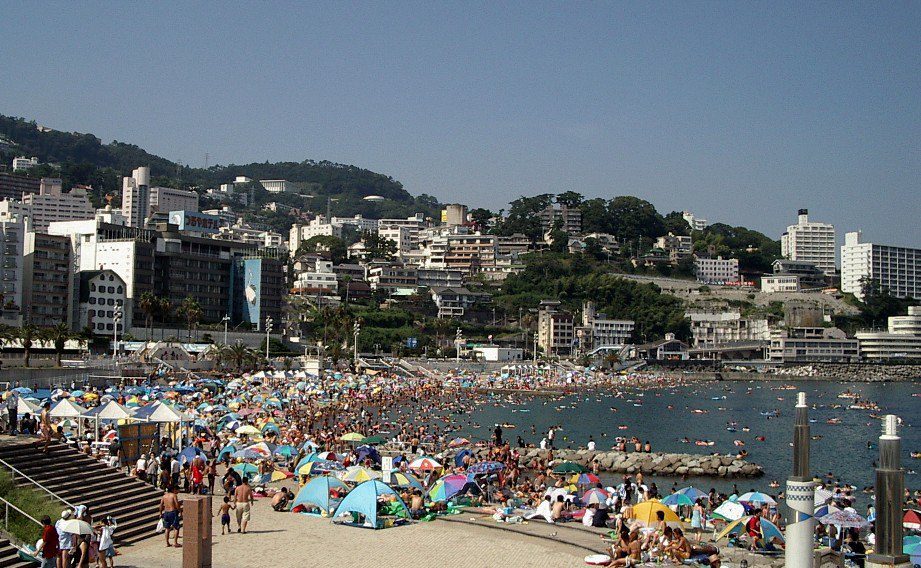
Easily accessible from Shizuoka, Atami is a seaside resort built on a terrace on the slopes of an extinct volcano, facing the ocean. Renowned for its onsen, it also offers a castle in height, a lively shopping district and several museums, such as the one dedicated to artist MOA.
Matsuzaki
On the west coast of the Izu peninsula, Matsuzaki retains a remarkable architectural heritage with its Namako-Kabe facades. It is a starting point for coastal or mountain hikes, and a peaceful place to enjoy a preserved rural Japan.

Hamamatsu
To the west of the prefecture, Hamamatsu is an industrial city with a strong musical identity. You can visit the Museum of Musical Instruments, Hamamatsu Castle or enjoy the banks of Lake Hamana. Grilled eel is a must local specialty.
Izu Peninsula

Access and transport
Shizuoka is served by shinkansen, making it a simple stop between Tokyo and Nagoya (or Kyoto). The JR station in Shizuoka is well connected to local transport and bus lines for sites outside the centre. From the city of Shizuoka, short trips allow you to explore the coastal region, mountains and tea plantations. The bus network also provides easy access to Nihondaira, Miho-no-Matsubara and Mariko.
Explore Shizuoka connects history, nature and culture in an accessible and relaxing setting. Ideal for a break of two to three days, the city offers a condensed Japanese experiences outside the major tourist routes.
If this article has brought you useful information and can help other travellers prepare for their stay, a Google review will always be appreciated. |
|
Discover more from Evasions Rebelles - Travel Planner Japon
Subscribe to get the latest posts sent to your email.